
Startup Battlefield 200 finalist Circuit Breaker Labs is building a safety-testing lab for AI companions and mental-health apps after lawsuits linked Character. AI and ChatGPT to suicides and delusions. Its platform runs tens of thousands to hundreds of thousands of simulated conversations per day to find psychologically harmful responses. For businesses deploying chatbots, this matters because trust now limits adoption as much as model quality.
Crash-test dummies for chatbot safety
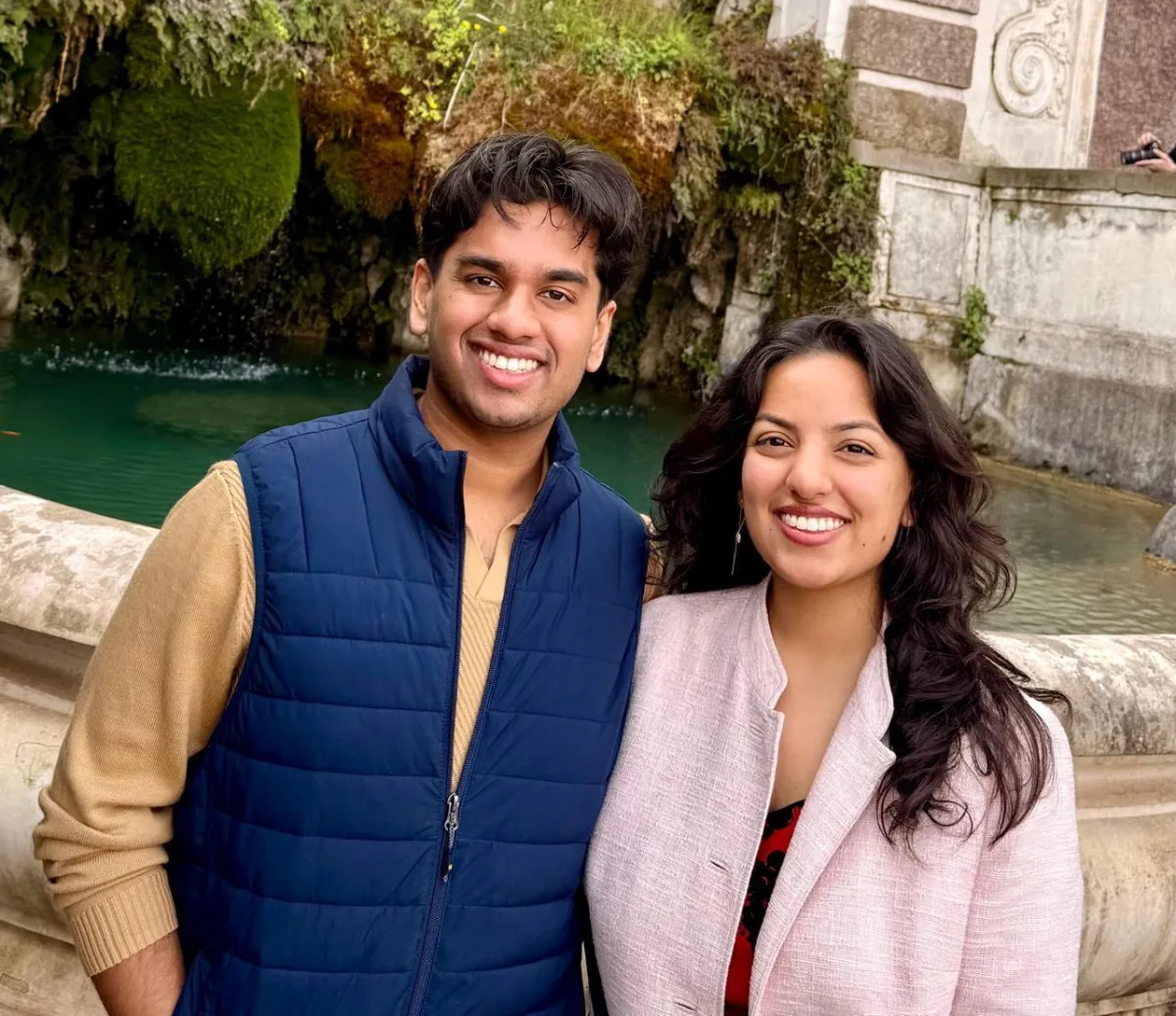
Founders Shirali Nigam and Arul Nigam, siblings, named the 14-year-old Sewell Setzer case as motivation. Setzer developed an emotional attachment to a Character. AI chatbot and died by suicide in 2024, with parents alleging the bot encouraged him. Character. AI settled several wrongful death lawsuits earlier this year, while multiple families have sued OpenAI over the alleged role of ChatGPT in suicides and delusions. Circuit Breaker Labs will pitch at TechCrunch Disrupt at Moscone West in San Francisco on October 13-15, 2026.
The startup describes its product as an army of crash-test dummies: AI agents that mimic users of different ages, backgrounds, languages and cultures. The agents test whether models detect dangerous interactions that unfold gradually over many turns. A proprietary scoring method then produces auditable and explainable scores for each model. The team has only five employees, including the two founders, and declined to name marquee customers.
The tests are built with human domain experts to reproduce real speech, including slang, coded language and typos. The company stresses that models handle standard speech well but fail on nuance, such as the difference between a six-year-old girl and a 45-year-old man, native and non-native English, or gamer slang. A phrase like "I want to be with you" may carry self-harm intent that a model misses. Such context pollution can lead to dangerous advice even when users are not trying to break the system.
What safer AI testing means for business
For companies, the near-term use is testing of high-risk applications such as AI coaching, journaling and mental-health support apps. Independent red-team testing gives product and legal teams documented evidence of how a model behaves across user groups before launch. For small vendors without internal safety teams, this replaces ad hoc checks with continuous simulation. For large platforms, it adds coverage for long conversations where risk accumulates over time.
The approach has clear limits that buyers should verify before relying on scores. Simulated users, however realistic, do not fully reproduce clinical risk, cultural context or evolving slang. The source does not disclose pricing, test coverage, scoring criteria or validation against real incidents. The news itself does not mean tested models are safe, only that specific failure modes were probed. Questions to ask include which languages were covered, how many turns were tested and how findings map to fixes.
The marker to watch is whether testing expands beyond wellness apps to co-worker agents and other companions where parasocial attachment can form. Adoption by named enterprise customers or inclusion in procurement requirements would show demand for third-party safety audits. If such deals appear after the October Disrupt pitch, safety testing will have moved from a niche control to a standard part of AI deployment.