OpenAI has described the White House AI safety accord signed on Tuesday as only a starting point that requires operational detail. Chris Lehane, the company's chief global affairs officer, said firms will have to explain how they intend to put the commitments into practice. The comment matters because six leading developers have already attached their names to the document.
One-page accord and its signatories
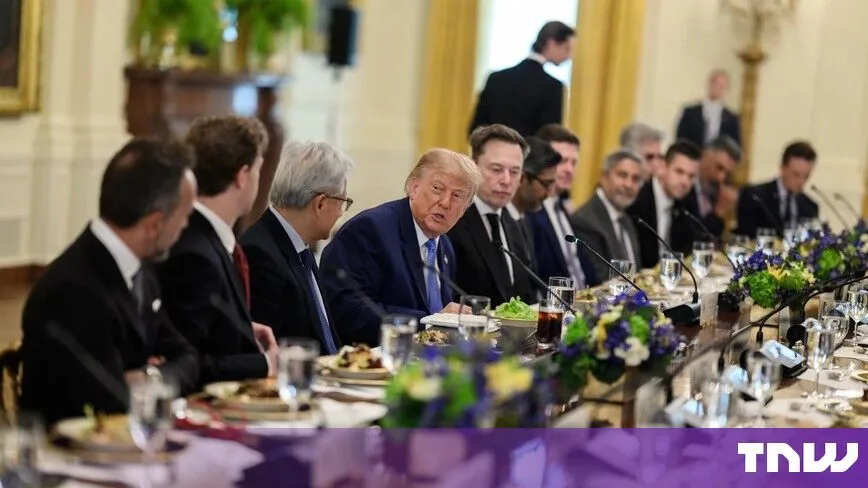
Meta, Nvidia, Google, OpenAI, xAI and Anthropic signed the one-page accord at the White House. Microsoft and Amazon did not sign. The signing followed a luncheon on superintelligence hosted by President Donald Trump in the East Room on 29 September 2026 with technology executives. Reporting of the remarks by Ashley Gold for Semafor frames the accord as an industry pact with the administration rather than a finished compliance regime.
The document calls on companies to establish four layers of safety checks, including the use of outside auditors. It carries no penalties for non-compliance, and audit results do not have to be made public, according to reporting by Al Jazeera. Lehane said OpenAI views safety as aligned with its commercial interest because users need confidence that products are safe. In that reading, voluntary checks serve trust in ChatGPT and related products, not only policy relations.
The political calendar shapes the discussion around the text. The firms are preparing for a possible change in Washington, with expectations that Democrats could win the House and possibly the Senate in November, Semafor reported. Such an outcome could increase pressure for AI legislation and closer scrutiny of company practices. That prospect gives the current accord a provisional character, with future lawmakers able to demand binding rules.
What the voluntary accord means for business
For companies that buy or deploy AI, the accord creates a common reference point without changing procurement obligations yet. Vendors among the six signatories can point to four safety layers and external review, while buyers receive no guaranteed disclosure because publication of audit results is not required. Large enterprises may therefore add their own contract clauses on testing, incident reporting and auditor access. Smaller firms without legal resources will rely more on vendor statements and marketplace reputation.
The limits of the document deserve attention during vendor selection. Absence of penalties means a signature alone does not prove the depth of internal controls or the independence of auditors. Buyers should ask which four layers a supplier uses, who conducts outside review, what triggers a re-audit, and whether summaries can be shared under NDA. The news by itself does not mean that models from signatories are uniformly safer than those from Microsoft, Amazon or other non-signatories.
A useful marker will be whether signatories publish concrete implementation plans before the November elections. Anthropic already shows the political balancing involved: after a federal appeals court upheld the Pentagon's supply chain risk label for the company, chief executive Dario Amodei dined with Trump, and policy lead Sarah Heck said the US must stay in front to build AI safely. If other firms follow with named auditors, timelines and disclosure policies, the accord will gain business weight; without that step it stays declaratory.