What Actually Happened
Honestly, the news from the past few weeks has genuinely worried me. The Pentagon has started notifying more than 2.8 million active and former service members that their personal files were stolen in a months-long breach of one of its networks. This is the second major incident in recent months to hit sensitive US government personnel data.
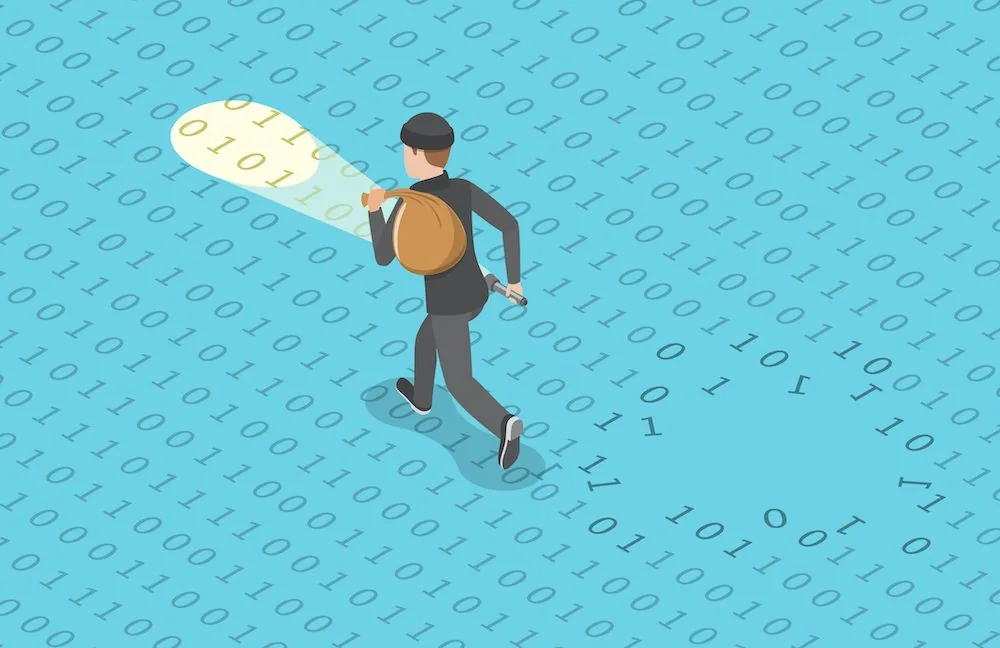
The first paragraph of the notification, a copy of which appeared on Reddit, lists what leaked: names, addresses, Social Security numbers, gender, race, and military occupational specialty. At first glance, it looks like dry HR statistics. But for foreign intelligence services, this kind of dataset is a goldmine. By specialty, you can quickly identify pilots, cyber warfare operators, intelligence specialists, and other valuable holders of secrets.
According to the military, attackers gained access to a system managed by the Defense Manpower Data Center back in October of last year. That's the very center that collects and stores Department of Defense personnel records. So this isn't a two-day breach of a single database—it's a long-term presence inside critical infrastructure that went unnoticed for far too long.
A Scale That Makes You Uncomfortable
The scale is staggering even by major leak standards: records of 2.8 million living people were compromised. The Pentagon stresses these are living individuals—meaning the data is current and can be used right now for phishing, blackmail, recruitment, or identity theft.
The leak of Social Security numbers combined with names and addresses is especially alarming. In the US, that combination effectively opens the door to bank accounts, loans, tax returns, and medical data. Adding gender, race, and specialty info makes the dataset convenient for automated sorting and targeting specific people.
So far, the military hasn't disclosed who's behind the attack or how hackers got in. It's also unclear whether the data was encrypted, put up for sale, or already in use. The standard procedure in such cases is offering victims free credit monitoring and advising password changes. But for a leak of this scale, those measures are clearly not enough.
The Second Hit: The FBI Attack and ShinyHunters
The Pentagon story is only part of a troubling series. A month earlier, the extortion group ShinyHunters claimed it had breached FBI systems and stolen data on thousands of current and former bureau employees. According to Reuters, the stolen records included positions related to investigations into China and Russia.
Two incidents back-to-back have experts talking about a systemic problem. Where banks and tech companies used to be the main targets, now the crosshairs are on personnel systems of intelligence agencies and the military. Such databases are worth far more than ordinary customer leaks because they give an adversary a map of people, not just a list of emails for spam.
For criminal groups, this is also a jackpot. Data on FBI and military employees can be monetized many times over: from targeted extortion and forged IDs to selling access to foreign buyers. The potential payoff is so large it justifies months of preparing a complex attack.
Why This Matters to Everyone, Not Just the Military
Two breaches in a month show how vulnerable even the most protected networks remain. The Defense Manpower Data Center and the FBI should by definition have layered defense, segmentation, anomaly monitoring, and strict access controls. The fact that hackers stayed unnoticed inside the Pentagon's system for months tells us classical defenses are no longer enough.
For businesses, the takeaway is simple: if federal agencies with billion-dollar budgets can't cope, an ordinary company is even more at risk. Automated monitoring, AI-based behavioral analytics, timely patching, and least-privilege principles are no longer optional—they're necessities. This is especially true for organizations storing personal data, medical records, legal files, and financial documents.
Experts expect that after these incidents, the US will tighten cybersecurity requirements for Pentagon contractors and introduce mandatory audits of systems storing personal data. This will affect thousands of supplier companies and IT integrators. At the same time, demand will grow for leak prevention, encryption, and AI-agent-driven intrusion detection that can spot anomalies faster than humans. In this context, businesses should think about protection in advance, and understanding practical applications of these technologies is where AI agents for real estate, medicine, and law help—automation that already handles routine security and data tasks today.