
Together AI disclosed on November 21, 2026 that an unauthorized party downloaded stored samples from customer prompts sent to its serverless inference service. The samples covered requests to MiniMax M3, GLM-5.2 and Kimi K2.6, mainly from June 24, July 4, July 8 and July 14, 2026. Customers had authorized the use of these prompts for routine software testing. The matter is important for business because prompts sent for inference were retained, then exposed through development tooling.
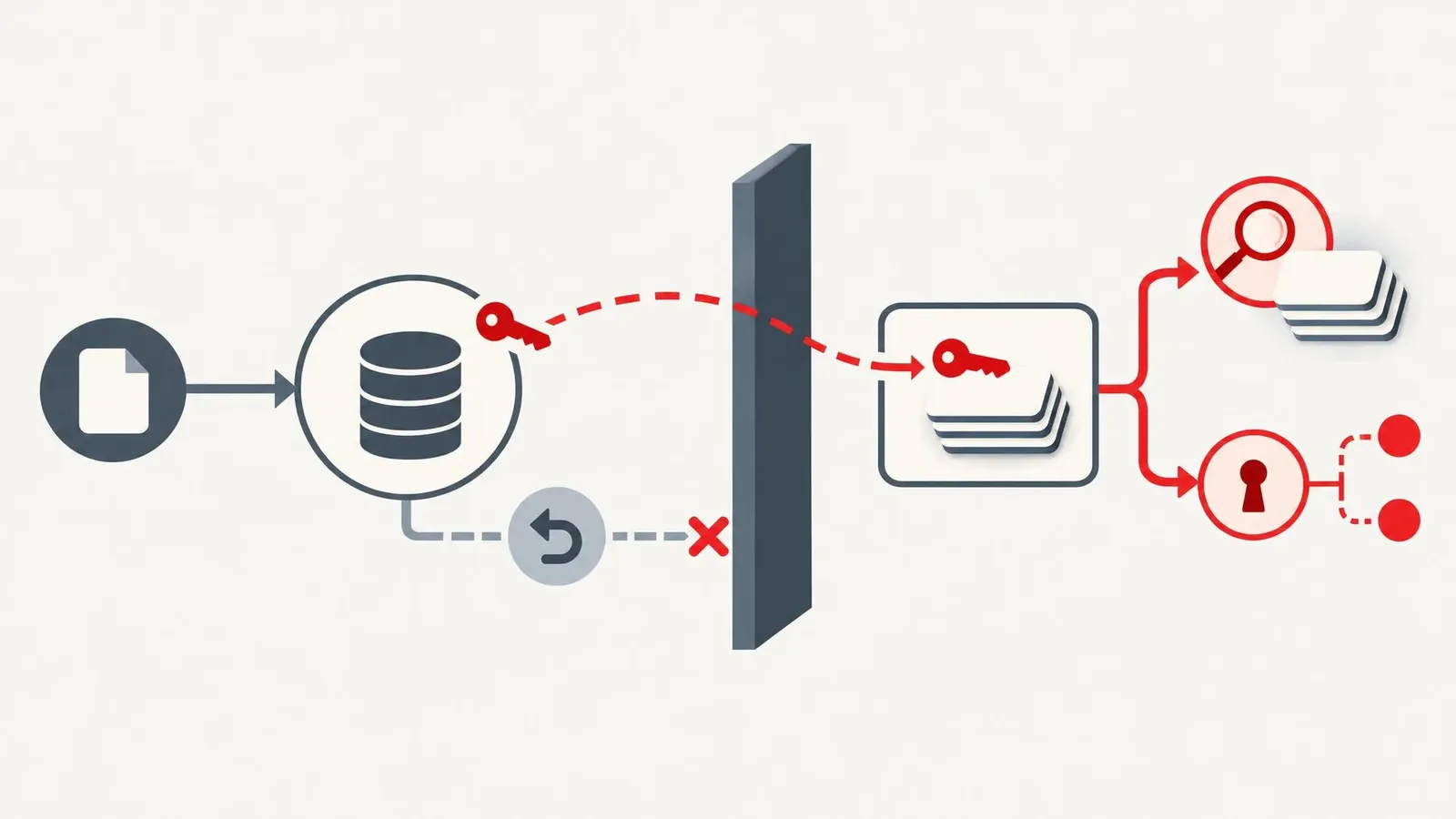
How the credential exposure led to the download
While developing its public xorl GitHub repository, an AI coding agent committed a credential that granted access to a private Hugging Face repository. Together AI stored the authorized prompt samples in that repository. Automated scanning detected the exposure and the company reverted the commit. During the exposure window, an unauthorized party obtained the credential and used it to download the stored samples. The sequence shows that detection and reversal did not block use of the credential while it was visible.
The downloaded material was limited to a subset of prompts, with model names identifying which requests were sampled. After the download, the party searched the samples for credentials to other services and tested whether those credentials were valid. Five of the tested credentials were canary credentials linked to a Dragos security experiment. That follow-on search indicates the activity went beyond reading prompt text toward possible reuse of secrets contained in the prompts. It defines a second layer of risk for any customer whose prompts included access keys.
Together AI worked with an external forensic investigation firm and law enforcement on the review. The company said it has not identified evidence of additional prompt leakage beyond this incident and has no reason to believe the data was leaked further. It also said it understands the data has now been deleted. The review of sample contents is still ongoing to determine whether sensitive personal information or other customer data was exposed. Together AI said it will contact affected customers directly as needed with findings relevant to them.
What the incident means for companies using AI
For organizations that send production or test prompts to hosted inference, the case shows how retention and development practices interact. Zero data retention, abbreviated ZDR, is now the default setting for new Together AI accounts. Customers handling sensitive prompt data are advised to enable ZDR in account settings. Small teams gain a simple control that removes storage of prompts for testing, while large organizations can align it with existing data handling rules. The practical difference appears in procurement and configuration: whether prompts are stored at all, and for what purpose.
The response also changes controls around AI-assisted development. Together AI cited scoped or short-lived credentials and keyless access where supported, credential checks on all pull requests, and updated processes for using AI coding agents. The credential measures are described as a way to reduce potential impact of exposure, while pull-request checks add review before code is merged. What remains open is the content review, which will decide notifications and remediation. Questions worth asking include which data was retained, how long access keys were valid, and whether stored prompts contained secrets.
The marker to follow is completion of the content review and direct customer notifications. If Together AI confirms the categories of personal or customer data involved, companies can assess regulatory duties and credential rotation. Contact for questions is security@together. ai. Until those findings arrive, the incident stands as a documented link between coding-agent safety and prompt retention.
