
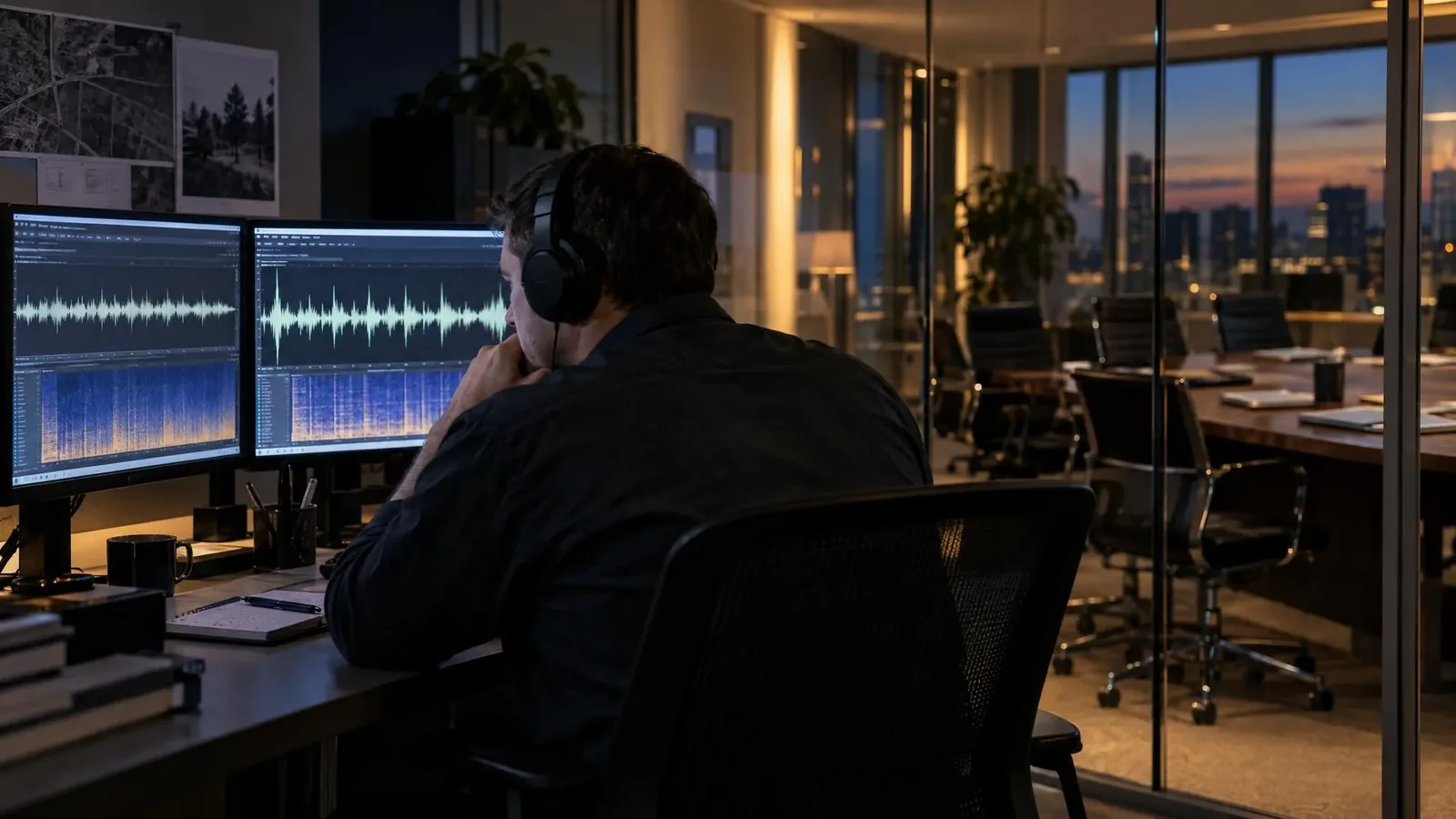
Federal prosecutors said investigators recovered hundreds of audio files from former OpenAI engineer Abdulrahman Alfozan's personal computer, including dozens of recordings of OpenAI meetings and apparent AI-generated transcripts. The material was described in a November 23, 2026 court filing opposing his renewed request for release before trial. The case centers on a single Wiretap Act count, yet the filing frames the recordings as a reason to keep him detained.
Hidden device, Codex prompts and Dropbox trail
Alfozan was arrested on October 9, 2026 and later indicted for allegedly concealing a recording device in an executive conference room to intercept oral communications. He pleaded not guilty on November 6, 2026. Prosecutors said the recordings include meetings on 12 dates from September 9 to September 28, 2026 in the room where a hidden device was later found. At least one recording involves a meeting between OpenAI and representatives of a foreign government.
According to records received from OpenAI, Alfozan used Codex, the company productivity agent, in September 2026 to help configure the recording device and move audio through Dropbox. A September 27 prompt concerned a passphrase and firmware for a XIAO ESP32 device, the same kind found inserted into a television three days later. A September 29 prompt requested voice detection aimed at recording only speech. Files were organized in 15 date-based subfolders covering September 8-28, with names referring to AI-safety research, product activation and a sovereign bilateral briefing.
Prosecutors said many recordings appear likely to contain confidential trade-secret material, including discussions with customers or about customer needs and OpenAI capabilities. OpenAI identified other recordings as covered by attorney-client privilege. Investigators also found cellphone photographs of every page of a printed document marked confidential, described as a strategic-partnership term sheet signed by an OpenAI attorney on August 13, 2026. Metadata indicated the photos were taken at Alfozan's home early on October 5, the same day a hidden camera recorded him looking for the device in a conference room.
What detention dispute means for AI companies
For companies deploying AI assistants and cloud storage, the filing shows how internal tools can leave a detailed trail. A September 28 email notified Alfozan that he had deleted 5,026 Dropbox files, while browsing history showed repeated Dropbox access on October 5 for a project linked to the recordings. Prosecutors said audio was transmitted through or stored in the cloud account as well as kept locally. For small firms, such logs may be the main way to reconstruct events, while large organizations can combine them with device searches and privilege review.
Several points remain unresolved and matter for risk assessment. The defense said the vast majority of recordings contain random noise and silence, while prosecutors acknowledged finding no new evidence so far to support trade-secret theft or unregistered foreign-agent charges. The government said how Alfozan used or intended to use the recordings remains under investigation. Companies should therefore avoid treating interception allegations as proof of disclosure, and should ask vendors and counsel how audio, transcripts and cloud copies are preserved and segregated.
Jury selection and trial are listed for January 20, 2027, with the renewed release request scheduled for November 24, 2026 before Magistrate Judge Alex G. Tse. Prosecutors asked to keep Alfozan detained or impose a secured bond, travel limits, location monitoring and a bar on contacting OpenAI staff. Whether the court selects detention or strict conditions will signal how judges weigh flight-risk claims against control of retained cloud material.
