
OpenAI and Cisco launched the open-source Shirudo project on November 23, 2026, offering a runtime for temporary protection of running Linux systems while permanent fixes are prepared. The pre-release combines eBPF controls with an agent-oriented design for building targeted safeguards called shields. Patch rollout can take days or weeks, and this matters for business because services can stay online during that window instead of going offline for emergency blocking.
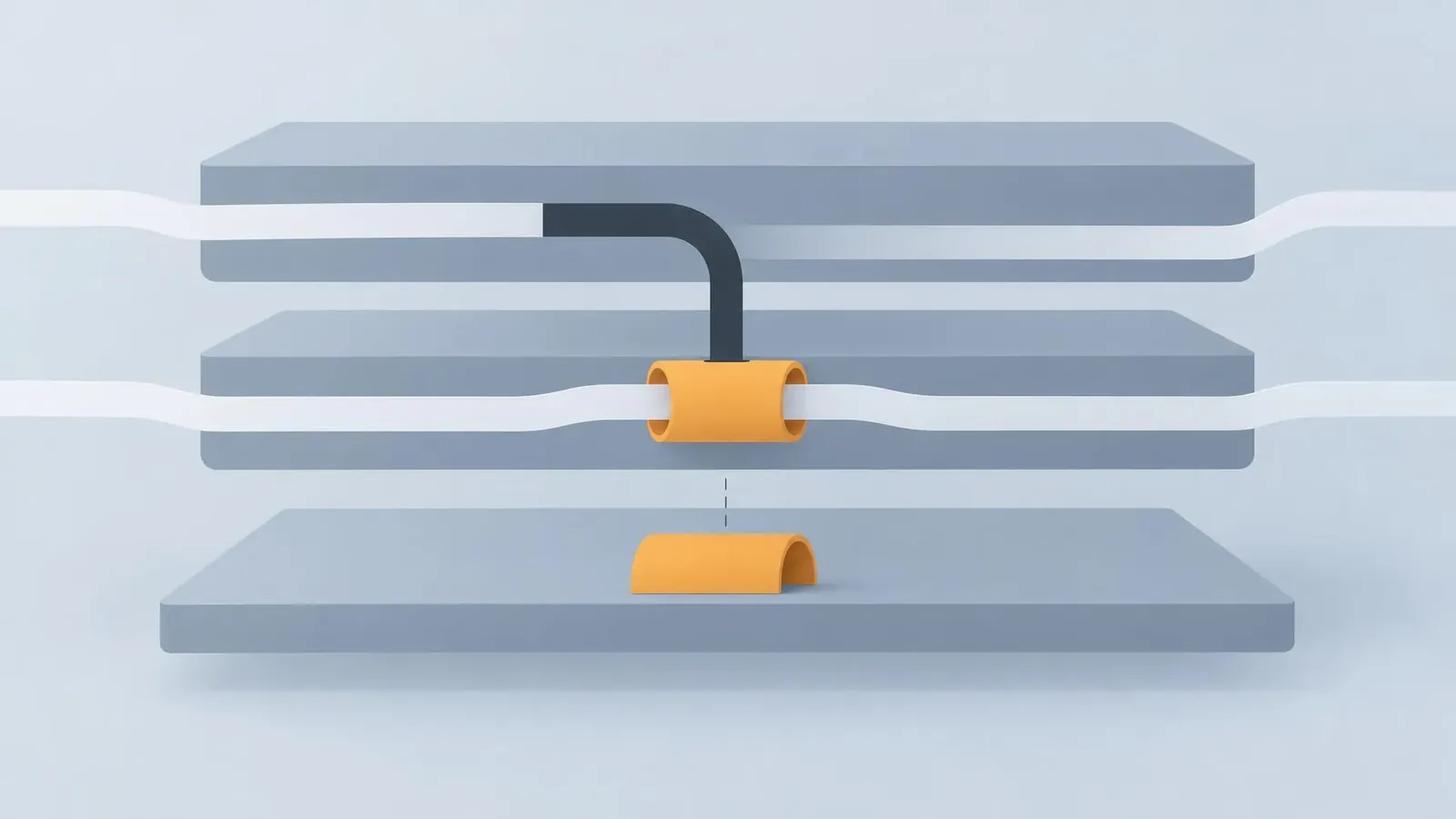
How Shirudo shields live systems
The project addresses the interval between vulnerability discovery and completed patch deployment. Indiscriminate blocking of a Linux operation can stop a service when malicious and legitimate requests use the same path. Shirudo lets teams test a candidate shield against exploit behavior and normal workloads before enforcement. Deployment still requires operator approval, and the service remains online while the safeguard takes effect.
At the operating-system level, eBPF provides a Linux mechanism for running small programs at designated points to observe activity and apply targeted protection. Shields can block vulnerable code paths without a system restart. Depending on the vulnerability, mitigation can block the path an exploit needs, replace vulnerable code or add detection visibility. Application bytecode modification extends the approach to cases where eBPF is not suited.
Cisco describes Shirudo as an agent-oriented rewrite of Tetragon, the eBPF security platform Isovalent open-sourced in 2022. The design lets agents generate code directly rather than work only through human-oriented consoles, configuration files or policy languages. The companies are designing programmable controls so agents can investigate vulnerabilities, develop shields and validate them, while security teams retain control over deployment. Application or user-space bytecode work broadens coverage beyond kernel-level hooks.
What temporary shields mean for operations
For companies running Linux fleets, the model changes how the waiting period before a patch is handled. Operator systems build eBPF or application-bytecode shields as signed. bee packages delivered through an OCI registry. Targets pull and validate packages, using a one-shot command-line interface rather than a permanently running daemon. Shields are verified before loading, the Linux eBPF verifier applies safety rules, and a Trusted Platform Module supports a record of loading or removal.
The limits are stated directly in the project materials. Production targets require a Linux kernel with the signed-loader interface and Shirudo kernel patches, plus TPM 2.0. Continuous integration covers x86-64 and host tests on arm64, while target validation for riscv64 remains pending. An attacker with kernel code execution or arbitrary kernel writes could potentially bypass in-kernel checks, so micropatches reduce attack surface but do not replace hardening or permanent fixes.
The practical test will be whether tested shields can appear alongside disclosures at usable quality. OpenAI and Cisco aim to offer evaluated shields while permanent patches are prepared, with telemetry sent to OpenTelemetry collectors and no listening component on targets. In a controlled test, Codex built a shield for Java Base64 decoding on Elasticsearch 9.5.5, blocking a Java4Shell attempt without restart. A marker to watch is repeated agent-built shields validated against real workloads across diverse fleets.
