OpenAI introduced a visual ad format for ChatGPT Ads on October 5, 2026, alongside expanded measurement tools and brand suitability pilots with DoubleVerify and Integral Ad Science. The platform now reaches 1.2 billion people each week, which makes the launch relevant for businesses looking for a new channel tied to idea exploration and purchase decisions.
Visual format tests and measurement setup
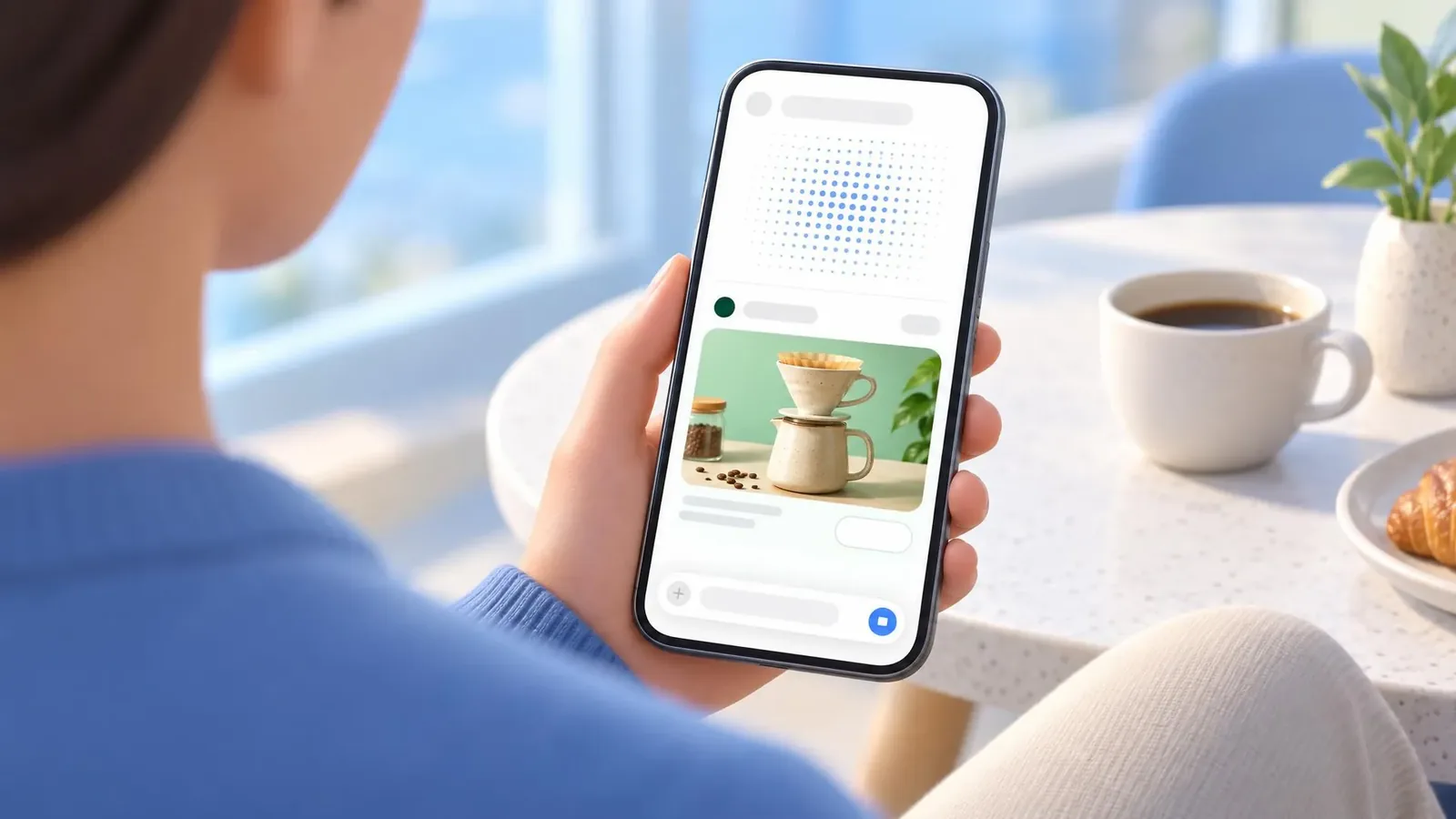
Testing of the image-led format will begin later in October 2026 in the US with an initial group of advertisers. The first placement will be image generation in ChatGPT, where ads use pictures of product inspiration, usage, or experiences the product enables. OpenAI said ads will carry clear labels, remain separate from the image a user generates, and will not influence ChatGPT answers.
Measurement combines OpenAI-built signals with partner-led options. Integrations with Hightouch, Tealium, and LiveRamp send conversion data from advertiser systems into ChatGPT Ads. The pixel and Conversions API track purchases, leads, installs, and sign-ups, while Event Quality Score shows the quality of those signals. Advertisers can select a click-through window matched to their buying cycle plus a one-day view-through window.
Attribution and incrementality partners cover web and app activity. The listed attribution partners include AppsFlyer, Triple Whale, Adjust, DV Rockerbox, Northbeam, Branch, Singular, Kochava, Airbridge, and Tenjin. Fospha, Measured, and INCRMNTAL provide full-funnel and advanced measurement, while Haus, Measured, and WorkMagic support geo-based incrementality tests. Kantar and Cint are involved in early-stage work on brand resonance metrics.
What this means for advertisers using AI
For companies that sell through search, social, or content, ChatGPT Ads adds a placement linked to decision moments rather than feeds or keywords. Early partner figures point to new-customer reach: Triple Whale said 93% of Portland Leather visitors from ChatGPT Ads were new, and WorkMagic said 67% of incremental purchases for Dose came from net-new customers. Small brands can test discovery with limited creative, while larger advertisers can connect existing customer data through LiveRamp, Tealium, or Hightouch.
Placement controls and independent checks shape the risk picture. OpenAI uses placement guardrails to keep ads out of emotionally vulnerable or sensitive conversations, with automated review, human oversight, and Negative Phrases for qualifying advertisers. DoubleVerify and Integral Ad Science will evaluate safeguards in a controlled environment without access to private conversations. OpenAI said attribution settings affect reports only, not optimization, so buyers should confirm goals, windows, and data quality before scaling spend.
The marker to watch is the US test of the visual format later in October and the first readouts from geo-lift and brand studies. DV Rockerbox reported WeightWatchers acquisition cost 15.3% below its paid-search benchmark, and WorkMagic estimated 2.3x more incremental orders for Dose than last-click showed. If more advertisers publish similar comparisons, ChatGPT Ads will move from experiment to a regular line in media plans.