
President Donald Trump hosted chief executives from major technology companies and signed an executive order requiring U. S. officials to say "super intelligence" instead of "artificial intelligence." The executives also signed the "Joint Commitment on Frontier Responsibilities," which Trump described as "morally binding" while remaining legally voluntary. For business, the episode matters because language and informal pledges are becoming part of AI policy alongside formal rules.
Executive order, luncheon and voluntary pledge
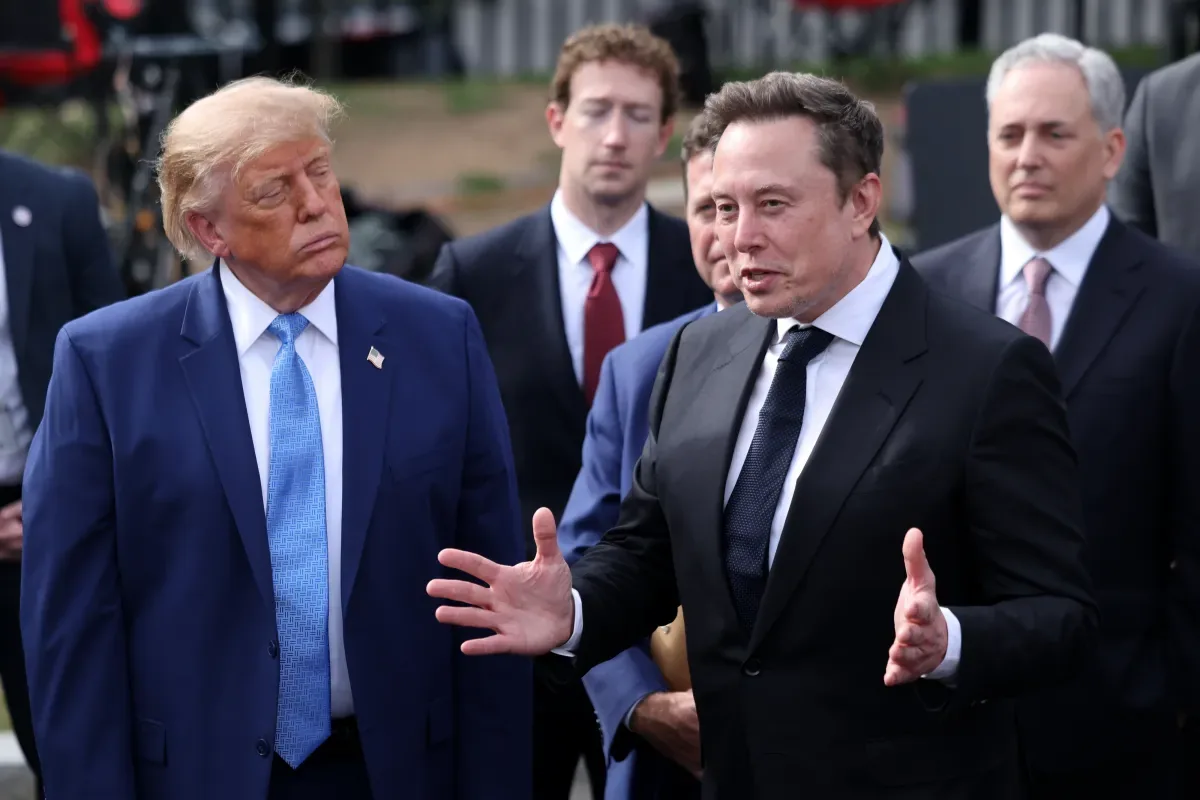
According to the source, the White House meeting included Mark Zuckerberg, Jeff Bezos, Elon Musk and Anthropic CEO Dario Amodei, along with other technology leaders. The gathering followed a 10 p. m. dinner between Trump and Amodei, after a period when Anthropic had faced criticism from parts of the administration. The discussion was covered on the Equity podcast by Kirsten Korosec, Sean O'Kane and Anthony Ha, who noted that the pact appeared to have been assembled quickly. The signed document even misspelled the United States, a detail the hosts cited as evidence of haste.
The commitment itself carries no legal enforcement mechanism and is described in the source as completely voluntary. Trump called it "morally binding," a formulation the hosts treated with skepticism because it creates no defined obligations or penalties. No amounts, deadlines, technical standards or audit procedures are mentioned in the account of the pact. In practical terms, the document functions as a public statement of intent rather than a compliance instrument that companies must implement.
The renaming applies to official U. S. government usage, where representatives are now expected to use "super intelligence." Trump had previously used the term in public remarks, and the order formalizes that preference. The source also mentions a subsequent announcement of a Super Intelligence Force over the weekend. No details about staffing, budget or authority for that body are provided in the text, so its operational role remains undefined for companies trying to plan around it.
What the rebrand means for companies using AI
For companies deploying AI, the direct effect is reputational rather than regulatory: the White House is signaling that advanced systems should be presented as beneficial and controlled. Korosec framed the message as an effort to separate fears linked to AI, including job losses and safety risks, from the new label. A small vendor selling automation to cautious clients may find the new vocabulary useful in marketing, while a large enterprise will still need contracts, security reviews and internal policies that the pact does not replace.
The limits are substantial because the source records sharp disagreement inside the administration about Anthropic and conditions on the use of its technology. The Treasury Secretary is described as supportive of Anthropic, while the Defense Department remains critical, with official Emil Michael repeatedly attacking the company on X. That split means a signature at a White House luncheon does not guarantee stable access to government contracts or settled rules for model use. Procurement, security and acceptable-use terms still require separate negotiation.
The marker to watch is whether the "morally binding" pledge is followed by measurable steps: published safety practices, reporting duties, procurement conditions or a defined mandate for the Super Intelligence Force. If agencies begin referencing the commitment in contracts or guidance, the rebrand will have policy weight. If no such documents appear, the episode will stand as communication strategy, and businesses should continue to base AI decisions on existing law and customer requirements.