
California will require autonomous vehicle operators to provide on-the-ground support for disabled robotaxis and face penalties for prolonged interference with emergency responders. The measure, Senate Bill 1246, was signed by Governor Gavin Newsom and takes effect in July 2028. A robotaxi that blocks police or firefighters for more than 30 minutes can trigger sanctions against the operator. The move matters for business because it turns robotaxi reliability from a technical issue into a regulated operating cost.
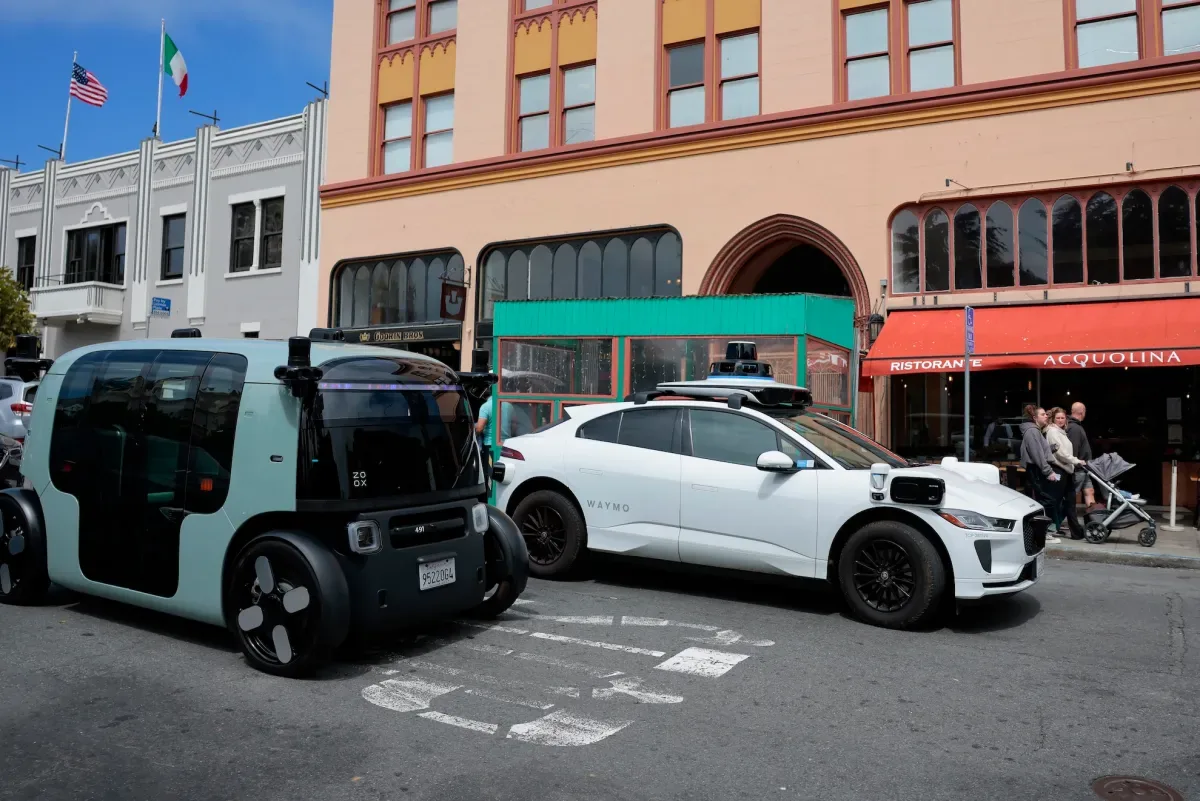
What Senate Bill 1246 requires from operators
Under the law, companies such as Tesla, Waymo and Zoox must supply first responders with local support when their vehicles cause problems. Developers must notify cities, towns and other local jurisdictions about vehicle location and status during system-wide failures. They must also provide local incident technicians able to assist with accidents and obstructions. The Department of Motor Vehicles, the main regulator of autonomous vehicles in the state, will work out remaining implementation details. The rules arrive after reported cases of robotaxis impeding traffic, entering crime scenes and interfering with first responders.
The law also tightens requirements for remote supervision of autonomous fleets operating in California. Developers may employ only remote drivers based in the United States, and those drivers must hold a U. S. driver license. That provision links remote operations to domestic staffing and licensing standards rather than offshore monitoring models. Combined with the duty to maintain local technicians, it points to a hybrid support structure with remote oversight plus physical presence. For operators, the design raises questions of shift coverage, hiring and response logistics across service areas.
The background is the early stage of large-scale robotaxi deployment, with San Francisco seeing dozens of Waymo vehicles operating daily with relatively little disruption. TechCrunch has documented incidents in the Bay Area and elsewhere where vehicles obstructed traffic or required first responders to move them. California legislators chose to act before the next expansion wave rather than after a major failure. The source notes skepticism about whether the law will fully prevent interference, while expecting less chaos and clearer accountability. Other states now face a choice between following California or waiting for federal action.
What the rules mean for fleet operators
For companies deploying or buying autonomous transport capacity, the law adds predictable elements of compliance and service design. Operators will need local response coverage, procedures for city notification during fleet-wide faults and documentation of response times around the 30-minute threshold. That affects operating budgets, contractor arrangements and incident playbooks in California cities. Smaller pilots feel the burden more acutely because a local technician network is harder to fund at low vehicle counts, while larger fleets can spread the cost across more trips.
The limits and risks center on enforcement and operational detail still left to the Department of Motor Vehicles. It remains unclear how penalties will be calculated, what evidence of obstruction will count and how quickly cities expect location and status updates during outages. The law does not by itself guarantee that robotaxis will stay clear of emergency scenes, and remote staffing rules do not resolve perception or decision delays. Buyers and partners should ask vendors about technician placement, guaranteed arrival times, failure notification formats and logs that prove compliance after each incident.
The marker to watch is rulemaking and rollout ahead of July 2028, when the statute takes effect. Publication of Department of Motor Vehicles procedures, staffing disclosures by Waymo, Zoox and Tesla, and any adoption of similar bills in other states will show whether California becomes the template. If operators build local response teams early and incident reports decline, compliance will look like a manageable part of scaling. If disputes over the 30-minute rule dominate, expansion timelines may shift.