
OpenAI introduced ChatGPT Wallet on November 13, 2026, moving its assistant from product research to completing purchases. Built with American Express, Mastercard and Visa, the wallet lets users approve agent-assisted orders without sharing actual card details with businesses or agents. The rollout starts with US ChatGPT Pro subscribers aged 18 and older holding eligible US-issued cards, with purchases running through dots. The step matters because OpenAI reports 1.2 billion weekly ChatGPT users, many of whom already compare products and decide what to buy inside the chat.
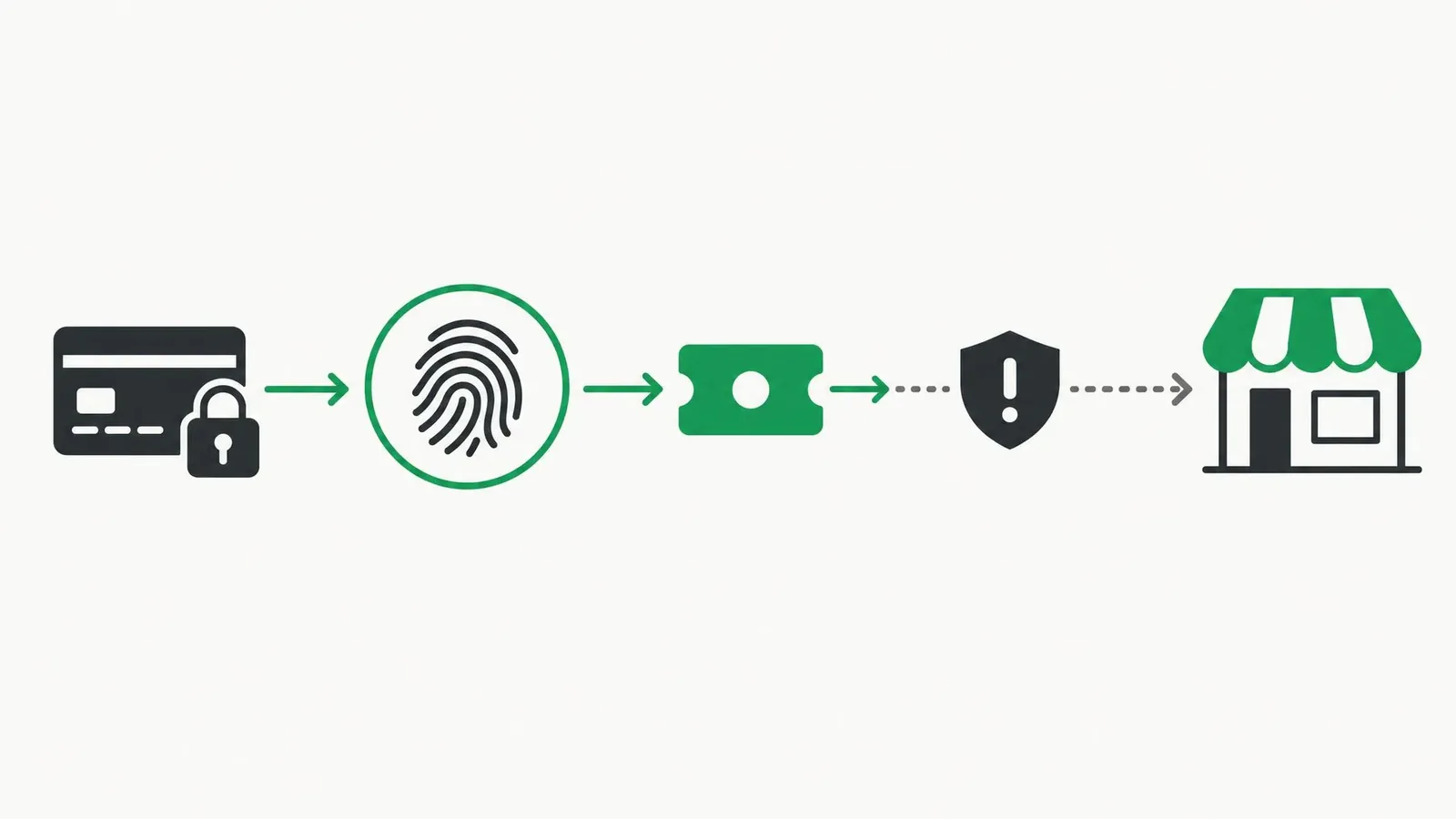
How the Wallet launch is organized
Users add a card once, then review items, total and selected card before each purchase and confirm with Face ID or a fingerprint scan. Each approval creates a record of what the user authorized the agent to buy, so every transaction requires an explicit decision at launch. After approval, the payment network supplies a token containing a substitute card number, security code and expiration date. The selected card is charged, while merchants receive a network token rather than the full number and can use the Payment Account Reference to link it to the underlying account.
Consent applies only to the specific transaction, and merchants must not reuse or save the credential for another purchase. Recurring billing remains possible when the existing checkout supports it, the customer agrees to recurring charges, and the merchant follows processor guidance for merchant-initiated transactions. Cardholders keep existing rewards and dispute protections for eligible cases, including defective items, while banks and networks continue to evaluate transactions. Users still transact directly with businesses, which keep control over pricing, fulfillment, returns and customer service, plus responsibility for order handling and fraud decisions.
Wallet works with existing checkout pages and payment forms without Wallet-specific integration, although optional compatibility checks can improve reliability. Websites can still block agents inadvertently, while risk systems tuned to detect bots can react to the cloud browser used by ChatGPT and cause failed, declined or canceled orders. To add context, OpenAI is introducing user signals in the Forwarded HTTP header, including observed IP address, estimated country, masked network prefix, locale, time zone, autonomous-system number and browser details. It is also working with Forter, Riskified, Sardine and Signifyd, plus Adyen, Checkout. com and Stripe, to help systems recognize legitimate agent purchases.
What this means for companies selling online
For businesses that already sell through a website, the model lowers integration costs because the standard checkout can stay in place. The Commerce Partner Playbook describes a path from discovery and comparison to purchase either in the merchant site inside a browser or through a plugin with structured actions. Browser use requires less work, while a plugin gives stronger backend validation and execution control. Merchants can also submit product feeds, check whether a CDN or firewall blocks verified ChatGPT visits, add Sign in with ChatGPT where accounts are required, and manage a Business Profile. Small stores gain a new sales channel without rebuilding payments, while larger retailers can test plugins for tighter control.
Acceptance remains the main limitation, separate from payment authorization. A checkout can process the Wallet token while risk controls still reject the transaction, so approval by the buyer does not guarantee completion. Businesses should verify how their fraud tools treat cloud-browser traffic, whether bot rules need adjustment, and whether card-on-file flows should stay separate from Wallet. The news by itself does not mean agents will convert research traffic automatically, nor that recurring billing will work everywhere. Questions to vendors include support for network tokens, handling of Forwarded signals, and rules for canceled or disputed agent orders.
The marker to watch is broader acceptance of approved Wallet transactions across merchant sites and risk platforms. OpenAI plans to let users pre-approve categories, spending limits or time periods with stronger safeguards, building on biometric checks and authorization records. Progress on dots, which launched September 29, 2026 with connections to more than 4,000 apps through plugins, plus wider bank and network compatibility, will show whether research inside ChatGPT converts into completed sales.
