
Nvidia board directors met late on Wednesday to decide whether co-founder Jensen Huang should stay as chief executive, with no decision announced by morning. Shares fell more than 8% in after-hours trading after reports of a possible removal. If the drop holds, the company will have lost about $600 billion in market value since the investigation began. The case matters because Nvidia is valued at roughly $4 trillion and has no succession plan.
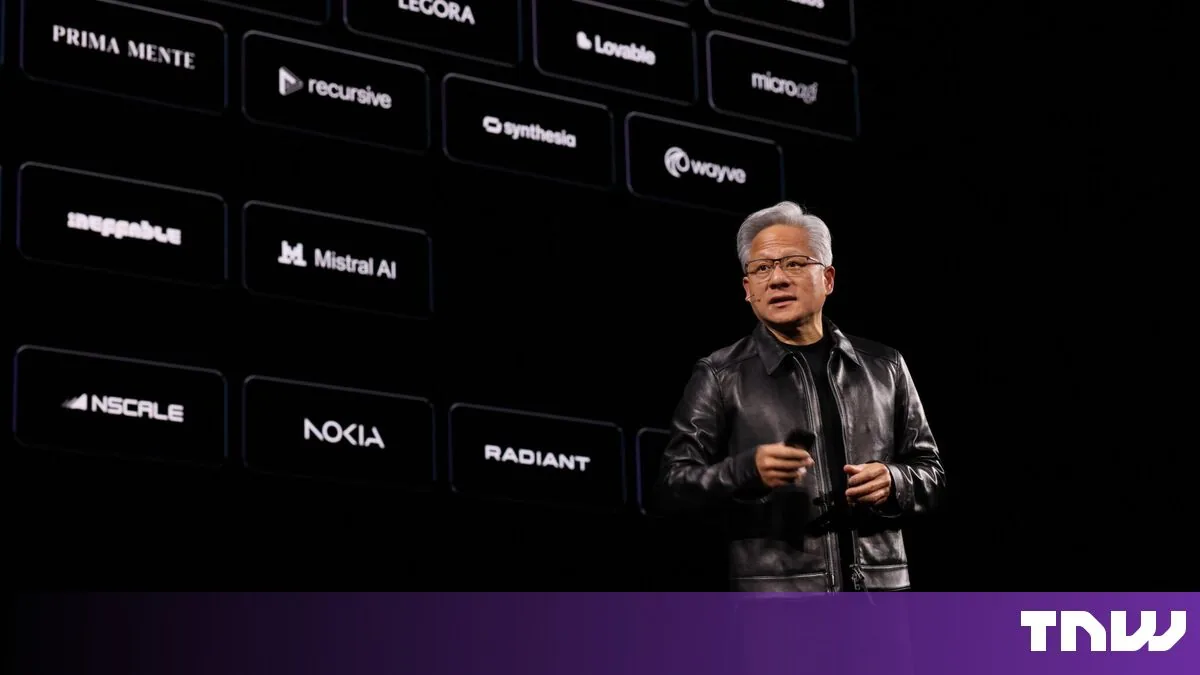
Overnight board review and falling shares
The board started examining Huang conduct on Sunday after reports linking the case to shipments of Nvidia chips to Chinese companies. US intelligence agencies believe Alice Huang, a Megaspeed executive with whom the CEO had a relationship, is a Chinese spy who helped arrange those shipments. In a memo to staff, Huang acknowledged infidelity to his wife and said he took full responsibility. At that point the board publicly expressed confidence in him.
The position became harder on Wednesday after The New York Times reported, citing five former company staff, that Huang had also had a relationship with Kimberly Powell, vice president of healthcare, who reported directly to him. When contacted by phone, Huang told the newspaper he should not be approached directly and ended the call. Nvidia and Powell did not respond to requests for comment. The Wall Street Journal had earlier reported that removal of the co-founder was being prepared.
Under company bylaws a majority of the 11 directors can dismiss the chief executive with or without cause, and all directors except Huang are viewed as independent. In practice the step is complex because Huang, 63, owns about 3.6% of Nvidia, has dozens of direct reports and built the business around his leadership. Bloomberg reported the board is working with an external firm to identify replacements, while some analysts named CFO Colette Kress as a possible interim chief. Prediction market Polymarket put the chance of resignation or removal by year-end at 88%.
What leadership risk means for AI buyers
For companies building on Nvidia hardware, the immediate effect is uncertainty around supply, pricing and product roadmaps rather than a change in current contracts. Nasdaq futures fell 1%, CoreWeave lost 6% and SK Hynix declined, while AMD rose 4% and Broadcom added 3% as possible beneficiaries of disruption. Small buyers with one-vendor GPU plans feel such swings faster through availability and rental rates. Large buyers can spread orders across vendors, but shifting AI infrastructure takes quarters, not weeks.
The limits of the story are clear: no board decision has been announced, no successor has been named, and the intelligence claims remain allegations reported by media. Nvidia must report quarterly results on November 17, which leaves little time to settle leadership questions before a closely watched disclosure. Buyers should ask vendors about delivery schedules, allocation terms and support if management changes. This episode alone does not prove a lasting shift in chip supply.
The marker to watch is whether the board names an interim or permanent chief before or alongside the November 17 results. A confirmed appointment, with details on strategy and chip deliveries to China, would show how the company plans to stabilize operations. Further signals include possible testimony in Washington and Commerce Department action on diversion of chips. Those steps will define procurement risk for the next budget cycle.
