
NAVER will create a logistics subsidiary and release a standalone personal AI agent app by the end of 2026, even as third-quarter operating profit fell 20.9% to KRW 451.3 billion. Revenue rose 10.7% year over year to KRW 3.4724 trillion, while operating margin narrowed to 13.0% from 18.2%. The combination shows a company accepting lower current profitability to build transaction-linked delivery and AI capacity, which matters for firms watching how platforms monetize agents.
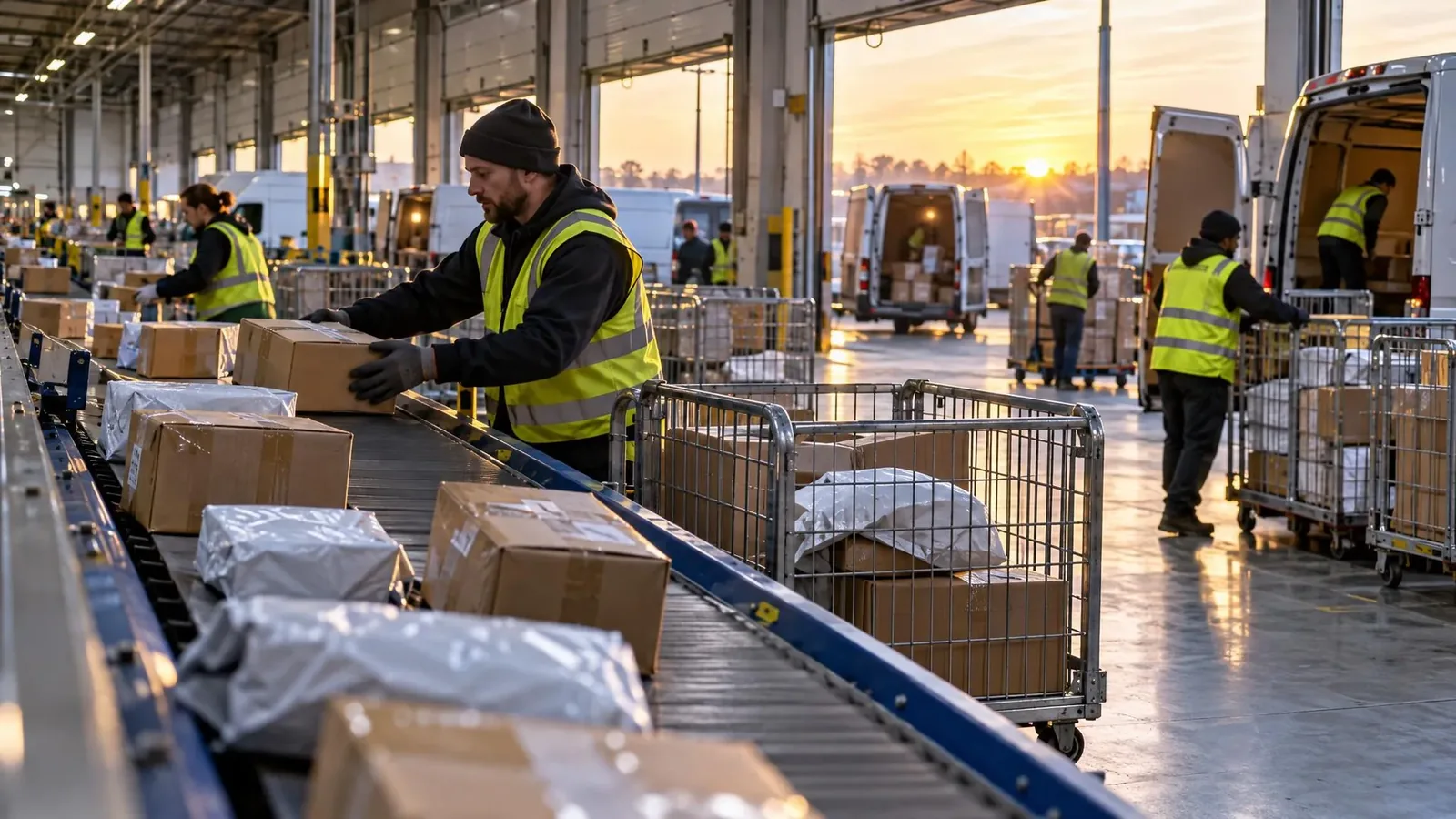
Logistics subsidiary and agent app plans
Chief executive Choi Soo-yeon said the logistics subsidiary will gradually strengthen delivery infrastructure around leased logistics centers, with expanded N-Delivery coverage. The commerce base behind the move includes NAVER Platform services revenue of KRW 473.6 billion, up 13.1%, and Smartstore gross merchandise value growth of 6.4% despite the Chuseok holiday. Repeat purchases through the NAVER Plus Store app and membership supported that result, according to the earnings presentation.
The personal agent is positioned as a next step after AI Briefing and AI Tab, shifting from recommendations and information delivery to purchases and visits. NAVER links task handling to existing search and commerce activity, aiming to attract new user groups and create monetization opportunities. The company also works on AI Tab revisit and conversion rates and broader AI monetization in search. Choi described an agent able to anticipate tasks or perform cumbersome work on behalf of users.
The margin decline reflects higher spending on infrastructure, content and offline data intended to strengthen AI competitiveness. Infrastructure expense rose 29.1% to KRW 282.3 billion on computing assets for internal use and data-center rents. Marketing costs also increased on shopping promotions and Npay Connect terminal installations. Separately, enterprise revenue within Global Opportunities grew 33.0% in the third quarter, giving NAVER an existing enterprise line.
What this means for AI-driven commerce
For companies selling through marketplaces, the logistics plan points to delivery speed and reliability becoming part of platform competition rather than a separate carrier decision. Choi described a cycle in which better delivery increases transactions, with volume then improving efficiency for sellers, users and partners. Small merchants could gain steadier fulfillment without building warehouses, while large sellers may face stronger dependence on NAVER traffic and delivery terms as N-Delivery coverage expands.
The agent approach carries tighter limits and questions for buyers of AI tools. NAVER has not detailed pricing, partner terms, or how purchase and visit actions will be confirmed, refunded, or audited inside the app. The stated 2026 release date leaves little room to judge accuracy, revisit behavior, and conversion before deployment. Firms should ask which catalogs and payment systems are supported, how errors are handled, and what data the agent uses to anticipate tasks.
The marker to watch is whether AI Factory revenue starts entering results in the first half of 2027 as management expects. NAVER said it signed about KRW 2 trillion of computing-service supply contracts for the business pursued with Brookfield and NVIDIA, securing initial customers for capacity coming online in early 2027. Delivery of that capacity plus medium- and long-term contracts with large customers will show if infrastructure spending converts into stable enterprise income.
