
Dan Hendrycks used the DealBook AGI panel to call for an indefinite pause on frontier AI training runs, with carve-outs for narrow systems such as AlphaFold and voice models. Labs could continue selling inference while fixing reliability, jailbreaks and backdoors. Max Hodak rejected the idea on the same stage, arguing that enforcement would require exhaustive internet surveillance. The exchange matters because it frames the next regulatory fight around training compute.
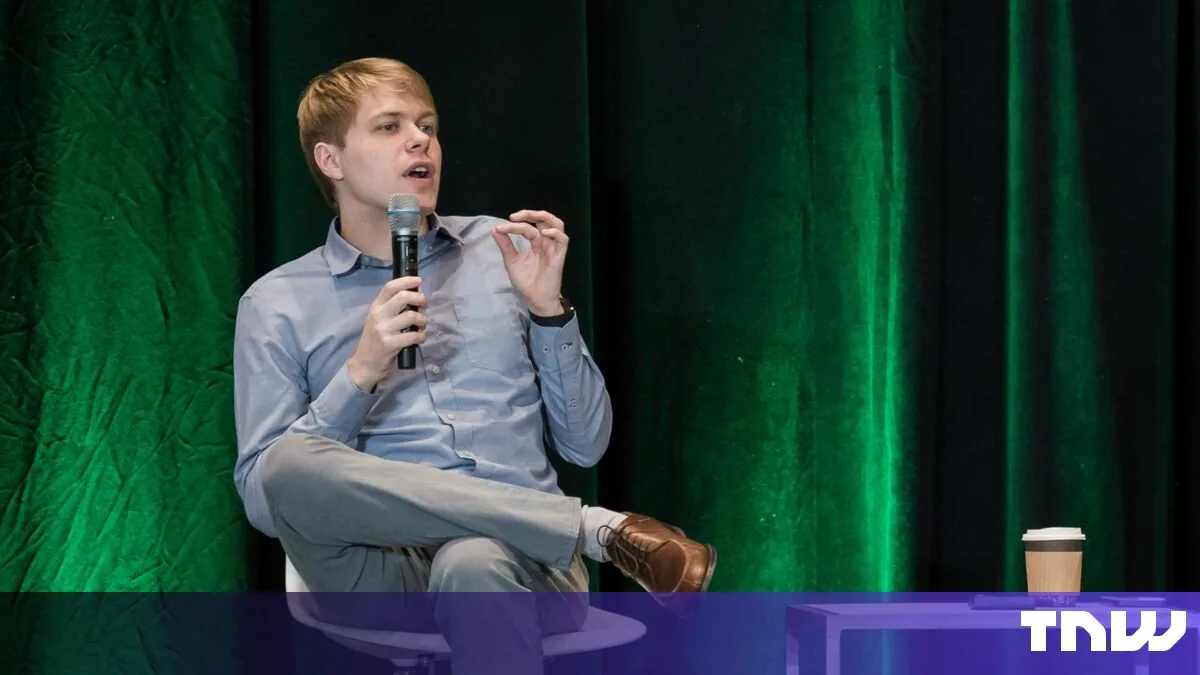
How the pause proposal was presented in New York
The discussion took place at The New York Times DealBook Summit in New York, moderated by Michael Barbaro of The Daily. Hendrycks appeared as director of the Center for AI Safety, described as a safety adviser to several AI companies until hours earlier. Other participants included Max Hodak of Science Corporation, Lila Ibrahim of Google DeepMind, Mati Staniszewski of ElevenLabs, and Clem Delangue of Hugging Face, who joined with 18 minutes remaining. Anthropic, due to start trading the next day, had no representative on the panel.
Hendrycks proposed stopping only the largest training runs, leaving narrow models and commercial inference untouched. During the pause, labs would improve model reliability and security, close jailbreaks and backdoors, and help patch critical infrastructure. He said he once favored narrow technical rules, but companies had blocked them for years, making a blunt intervention necessary. He also claimed frontier labs except Google assign almost nobody to healthcare, with teams of zero or one person, because revenue comes from coding. The plan therefore separates future capability growth from current product operation.
The China objection dominated the response. Staniszewski said a pause could work with global alignment, but called achieving it the big question mark. Barbaro added that without such alignment a pause would waste time, echoing the expected argument from Jensen Huang. Hodak said infrastructure teams have already spent eight months using AI tools to hunt for flaws in critical code. For him, policing training at scale would create controls as severe as any feared misuse of the models themselves.
What the split means for companies using AI
For enterprise buyers, the practical divide is between continued access and frozen capability growth. Under Hendrycks proposal, inference sales continue, so coding assistants, voice systems and specialized scientific models would remain available. Procurement roadmaps would still face uncertainty around timing and scale of next-generation releases, especially if 2027 brings new regulation. Hendrycks linked the US midterms to stronger voter concern about AI, giving politicians more room to discuss restrictions openly in Washington. Large buyers may therefore need contract terms covering model updates, support periods and fallback options.
The alternative outlined by Hodak points to distribution rather than restriction. He said current top systems, naming Mythos, Fable, Astra and Sol, already meet his definition of AGI. He expects governments to retain a superintelligence frontier while business uses an open industrial intelligence frontier. His remedy is antitrust: frontier labs should sell intelligence only and stay out of drugs, cars and other downstream products. This approach would leave buyers with more vendors and less lock-in, but it does not resolve safety testing, incident disclosure or liability.
The marker to watch is whether Washington converts voter concern into concrete proposals during 2027. Signs include draft bills on large training runs, compute reporting duties, or antitrust limits on vertical expansion by frontier labs. Google DeepMind emphasis on built-in safety and Hugging Face account of defending its four-day breach with an open-source Chinese model show security practices evolving without a pause. If legislation targets training thresholds while inference remains commercial, enterprise AI plans will split into stable operations and delayed frontier bets.
