
Google has widened access to agentic features in Gemini through Tasks, formerly called Spark, allowing free-tier users to delegate multi-step jobs across websites and connected apps. The rollout covers six countries, including the US, Canada and Australia, while UK users still wait for free access or must check a paid Gemini subscription. The shift matters because Tasks moves beyond answers and can complete bookings, purchases and checks after user approval.
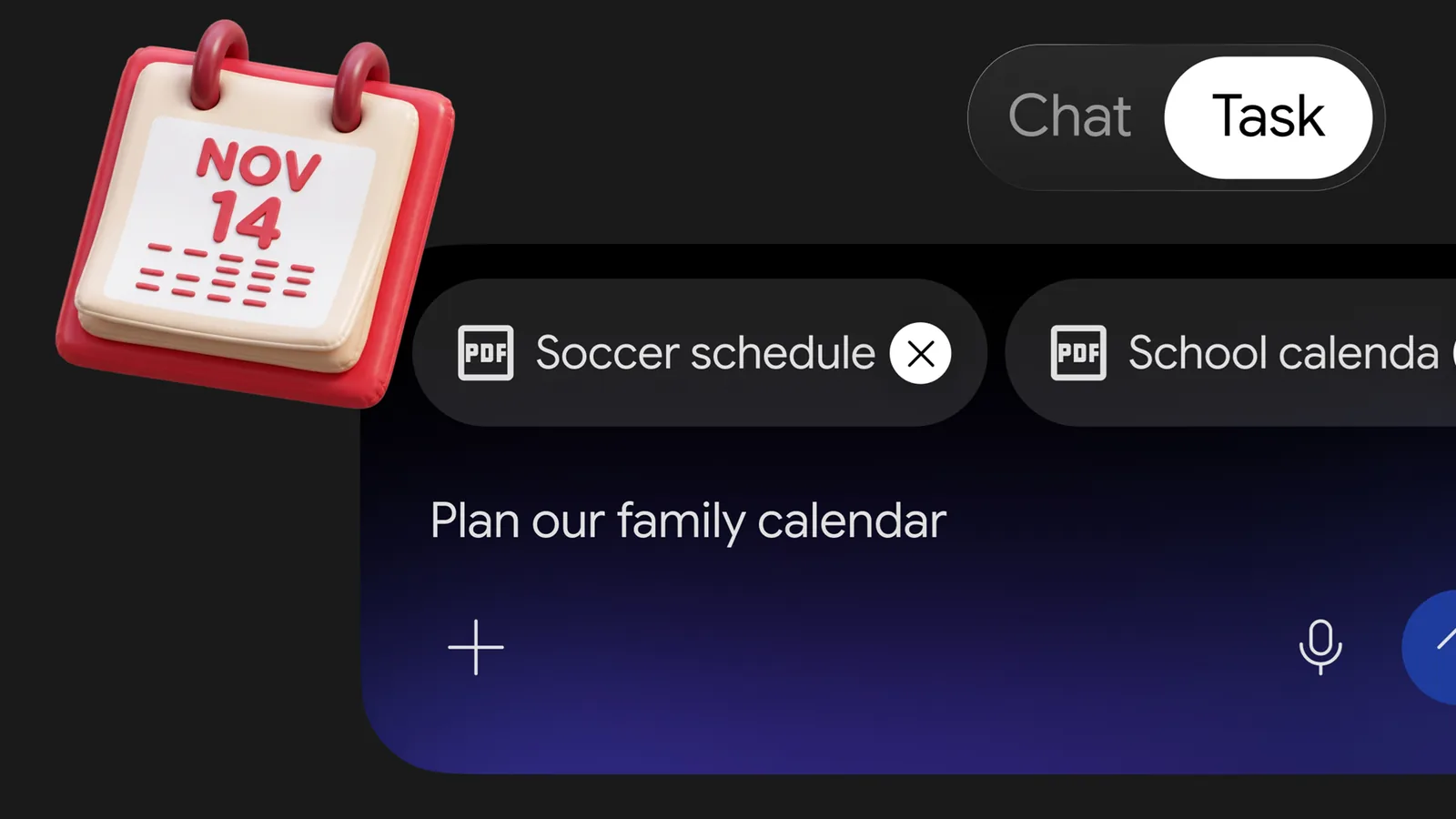
How Gemini Tasks works in free access
Access starts inside a Gemini conversation by switching from Chat to Task, then granting permissions for activities and services as the work proceeds. The agent can browse retailer sites, reservation systems and carrier pages, and it asks for confirmation before steps such as submitting personal data to an external website. Users can intervene during execution, which keeps control over money and confirmed bookings. The model tested included calling businesses to arrange appointments in some cases.
The distinction from regular Gemini is execution after the recommendation. Standard Gemini can suggest a restaurant, compare chargers or locate a Gmail receipt and explain a return policy using existing Google connections. Tasks continues the same job by opening the relevant site, checking current offers or policies, finding the order and preparing checkout, return or booking forms. In the reported tests, it compared dual-device charging cables, filtered out a cheaper single-port option and prepared a purchase after approval.
The timing reflects a broader move toward agents that finish routine work rather than only summarize information. The source describes five everyday trials: car maintenance booking with oil change and tire rotation, cable shopping, a sweater return, restaurant booking for Saturday around 7 p. m., and a review of shipping confirmations from the previous two weeks. One restaurant task took about 10 minutes and produced extra bookings for the next month, while a parcel check took about four minutes to summarize and draft a follow-up email.
What Tasks changes for routine operations
For companies handling service bookings, small procurement and customer follow-ups, the pattern shows how approval-gated agents compress clicking and navigation across mail, calendars and external sites. A small business can use one instruction to find two service centers, pick the one with reviews about single-visit completion, match free calendar slots and place a reservation. A larger team can apply the same flow to travel, facilities or repeated supplier orders, keeping a human sign-off before submission.
The limits center on accuracy, supervision and availability. An agent working through checkout or reservation screens has more room for error than a chatbot that only recommends, so payment details, dates and return eligibility need verification against Gmail records and retailer pages. The source notes that the sweater refund went back to the card and the parcel case split between out for delivery and a label created days earlier. Availability also matters: six countries are covered, the UK free rollout is pending, and physical steps such as taking a parcel to the post office remain manual.
The marker to watch is whether Google extends free Tasks access to the UK and adds more countries without removing the approval step. A wider rollout plus stable handling of bookings, returns and carrier checks would signal that approval-based agents are ready for routine business chores. If expansion stalls or error reports grow, the tool will stay a convenience for simple errands rather than a dependable operations layer.
