
China said on Tuesday it would take countermeasures if the United States proceeds with new restrictions on access to advanced AI chips. The commerce ministry said it strongly opposes rules issued by the US Commerce Department on Monday, according to Bloomberg. The statement matters because it links chip controls to sovereignty, security and development interests and arrives days before a leaders meeting.
Remote rental ban and new shipment licences
The US rules aim to stop Chinese firms from renting Nvidia chips in data centres abroad. They also require a licence to ship top chips to Singapore, Malaysia, Thailand, Indonesia and Brazil, according to Free Malaysia Today. Until now, Chinese firms could legally rent Nvidia best chips by the hour in countries such as Thailand and Malaysia. In May, Washington had moved to close a related loophole covering overseas units of Chinese firms. The ministry also asked Washington to settle the dispute through talks, Reuters reported.
The mechanics target remote access rather than outright ownership of hardware. A Chinese company would no longer be able to bypass export limits by paying for compute time on Nvidia systems hosted outside China. Shipments of top chips to five named transit countries now fall under a licensing requirement. That creates a second checkpoint in addition to direct exports to China. The earlier May step had addressed foreign subsidiaries, while the current step addresses third-party data centres.
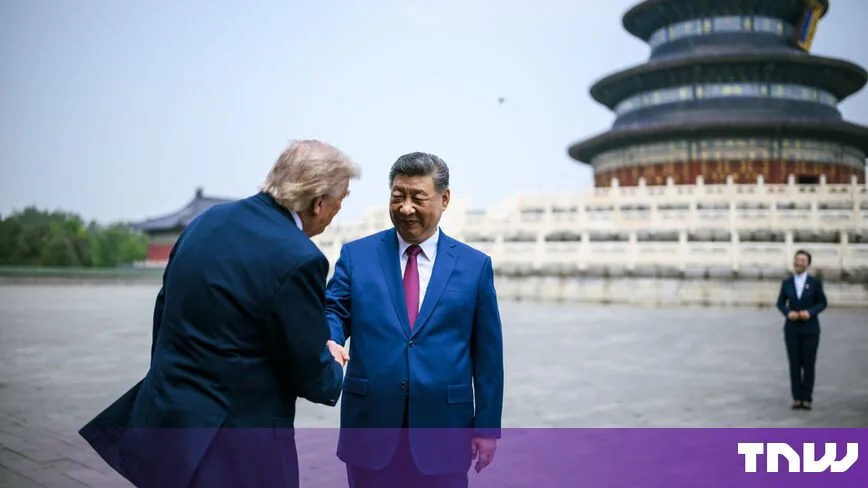
The ministry said the new curbs go against deals struck by the two leaders, Bloomberg reported. It also said they put global chip supply at risk. The dispute comes days before Xi Jinping hosts Donald Trump at the APEC summit in Shenzhen. A trade truce that cut tariffs last year is due to end in January, according to Bloomberg. The timing connects technology controls with tariff talks and summit diplomacy. TNW said it had not seen the ministry original statement.
What rental limits mean for AI users
For companies building on AI, the practical effect is reduced access to rented high-end compute outside China. Teams that relied on hourly rental in Thailand or Malaysia would face licensing uncertainty and possible loss of capacity. Small firms without their own clusters feel such a shift first, since they depend on flexible rental. Large firms with diversified infrastructure have more options to reroute workloads. Procurement timelines for projects tied to those data centres could lengthen.
The limits also raise verification work for buyers and data-centre operators. Customers need to confirm where top chips are hosted, who operates the facility, and whether a licence covers the shipment or use. The ministry warning of risks to global supply points to possible disruption beyond the two countries. This development alone does not settle how licences will be granted or how broadly rental will be policed. Buyers should ask vendors about hosting location, chip type, licence status and alternatives if access is withdrawn.
The marker to watch is the APEC meeting in Shenzhen and the January expiry of the tariff truce. If talks produce a pause or clarification on licences, remote compute supply will stabilize. If countermeasures follow, costs and availability of advanced capacity in the named countries will shift. The outcome will show whether chip controls stay linked to wider trade bargaining.
