
Amazon Web Services said on November 19, 2026 that Amazon Bedrock AgentCore payments can settle purchases from x402-enabled AWS Marketplace sellers through AWS Billing. AI agents can buy software, APIs, data and content per request in US dollars, with charges added to the developer AWS bill. The setup removes stablecoin wallets and API keys from agent purchases, which matters because procurement now runs inside familiar cloud spending controls.
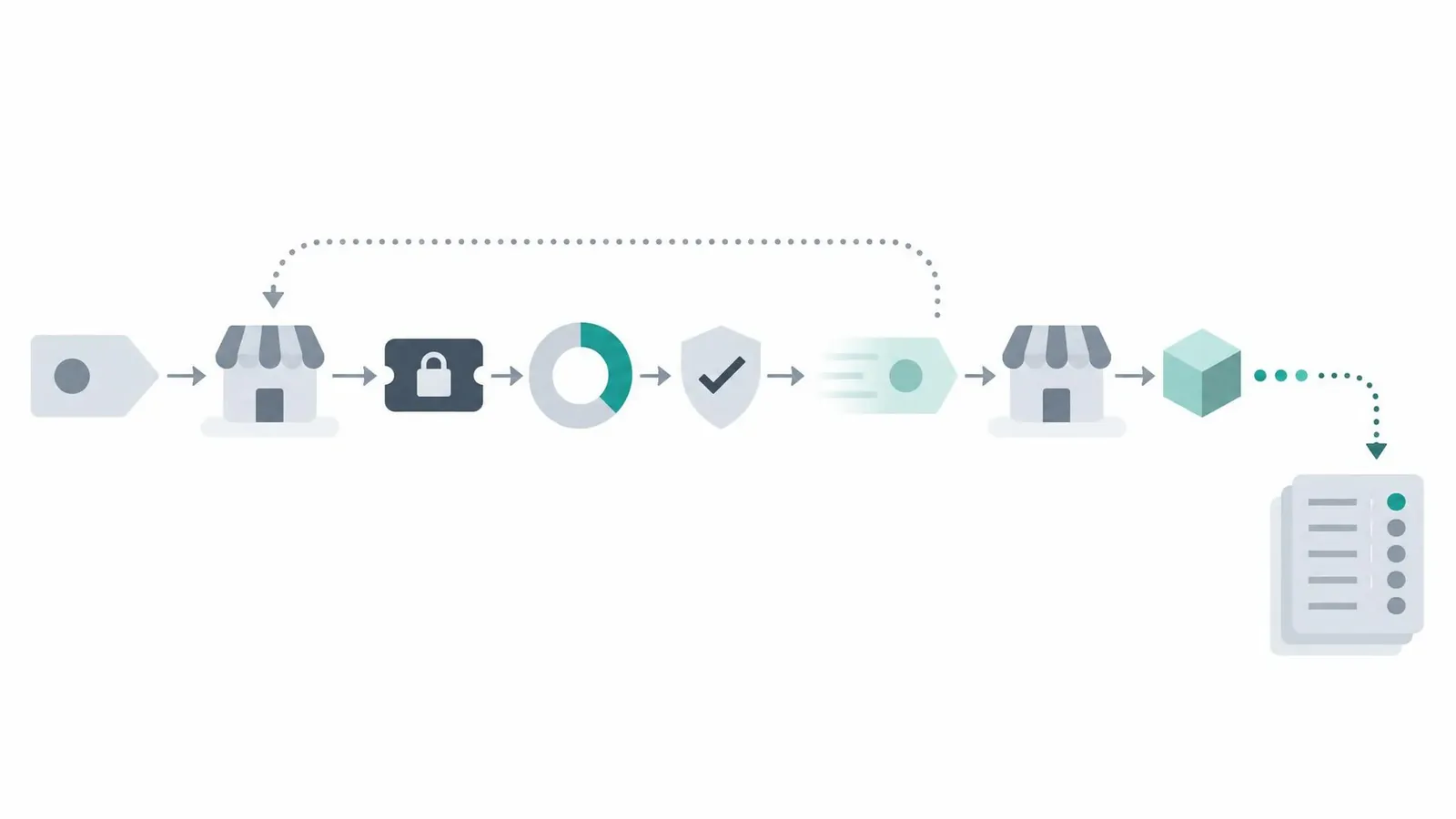
How AgentCore purchase through AWS Billing works
The flow starts when an agent calls a seller endpoint without payment and receives HTTP 402 Payment Required with a signed quote in the PAYMENT-REQUIRED header. The agent forwards that quote to AgentCore payments through the ProcessPayment API using the AWS_BILLING_X402 payment type. If the session has enough remaining budget, the service returns a payment token that the agent sends back in the PAYMENT-SIGNATURE header to receive the content.
At launch AWS Billing supports the x402 exact scheme, where the seller quotes a fixed price for each request. AWS Marketplace verifies the quote signature against the seller registered key and rejects a quote whose price was altered. Payment tokens remain valid for about five minutes, so quote, payment and redemption happen in a single pass without a separate checkout step.
The first purchase from a seller creates an AWS Marketplace agreement for the developer AWS account, and later purchases are tracked against it. Products appear as Marketplace line items, with settlement running asynchronously before charges appear on the monthly bill. Purchases are also recorded in AWS CloudTrail and AWS Cost Explorer, keeping agent spending visible in standard audit and cost tools.
What this means for companies running AI agents
For teams that already run on AWS, per-request buying becomes an extension of cloud procurement rather than a separate vendor process. An optional AWS Marketplace connector for AgentCore Gateway gives agents three read-only tools to search listings, get a listing and list fulfillment options, with search returning only endpoints that accept x402. Developers can bypass discovery by setting a seller URL directly, so the agent pays only that endpoint.
Control rests on session budgets, approved-seller lists, role separation and catalog access, all configured inside the AWS account. Setup requires a Payment Manager with an AWS Billing connector and an AWS Marketplace service-linked role, plus a payment session with a spending limit for each task. The open-source sample separates duties: its session role can set budgets but cannot pay, while its agent role can pay but cannot create sessions.
The marker to watch is whether sellers add x402 endpoints and enterprises keep agents inside Private Marketplace catalogs and tight session budgets. AWS walkthrough shows the pattern: a Strands research agent paid for one Tavily live-search request, with a $0.05 session budget, a $0.02 per-request cap and a completed $0.01 payment. Wider repetition of such small metered purchases would confirm agents as routine buyers of data and APIs.
