
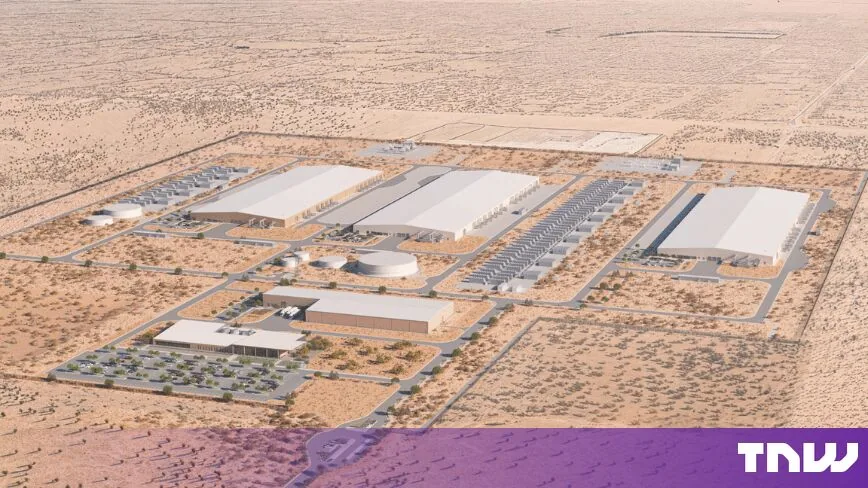
Data center developer Applied Digital has asked tenants including Oracle and Meta for billions of dollars in guarantees before signing leases, according to Bloomberg. The payments are meant to secure power for the sites and cover grid connection costs. The shift matters because access to space now depends on credit strength, not only on demand for AI capacity.
Guarantees tied to Oracle, Meta and chipmakers
According to a person familiar with the matter cited by Bloomberg, the requests also extend to chipmakers Nvidia and AMD. The guarantees are set case by case and usually cover the cost of links to the electricity grid. CoreWeave told Bloomberg that its partnership with Applied Digital remains strong, while Meta had no comment and Oracle declined to comment.
Applied Digital has capped how much capacity it leases to junk-rated neoclouds such as CoreWeave, Bloomberg reported. The reason is practical: weaker tenants trigger additional demands from utilities. Chief executive Wes Cummins said the company prefers investment-grade tenants, with a preferred mix of 70% investment-grade to 30% non investment-grade.
Utilities previously funded grid upgrades and recovered the cost through rates charged to all customers. Now they want the largest users to carry that cost if a project collapses. The pressure increased after the midterms, where Democrats who campaigned on power bills won key races, according to the report.
What power collateral means for AI buyers
For companies buying AI infrastructure, leases will increasingly bundle computing space with financial obligations for power. Large investment-grade tenants can absorb collateral and keep projects moving, while smaller or lower-rated operators face caps on available space. The result is a narrower set of vendors able to offer large deployments at predictable timelines.
Two regulatory models show what to verify before signing. Wisconsin regulators require large customers rated below A- to post collateral, and Oracle said its Lighthouse campus could need more than $7bn; it sued the regulator in June, then dropped the case in August. In Indiana, Nipsco parent NiSource created a separate unit, GenCo, so Amazon, Google and Microsoft pay for plants serving them, with 5 gigawatts signed and about $1.75bn in savings for existing customers.
The marker to watch is how hyperscalers finance the guarantees, with Barclays estimating $300bn to $320bn of debt issuance this year. If large tenants keep posting collateral without slowing leases, power-backed contracts will become the standard for AI capacity. If issuance tightens, project delays will show which developments lack balance-sheet support.
