
Bloomberg reported on November 19, 2026 that Apple is staffing early work on an AI agent able to operate a Mac, in an account carried by TechCrunch. The company seeks a senior engineering manager to lead the effort, with introduction eyed as soon as the end of 2027 as a reported possibility rather than a commitment. For business users, the signal matters because computer control on the Mac could shift routine work across browsers, apps and code into agent-driven workflows.
Hiring scope and reported 2027 timeline
The vacancy centers on a senior engineering manager overseeing development described as remaining in its early stages. That framing indicates organizational formation rather than product finalization, with leadership hiring preceding broader scaling. The reported timing points to the end of 2027 as the earliest window under discussion. No announced release date, price, supported Mac models or distribution method appears in the account.
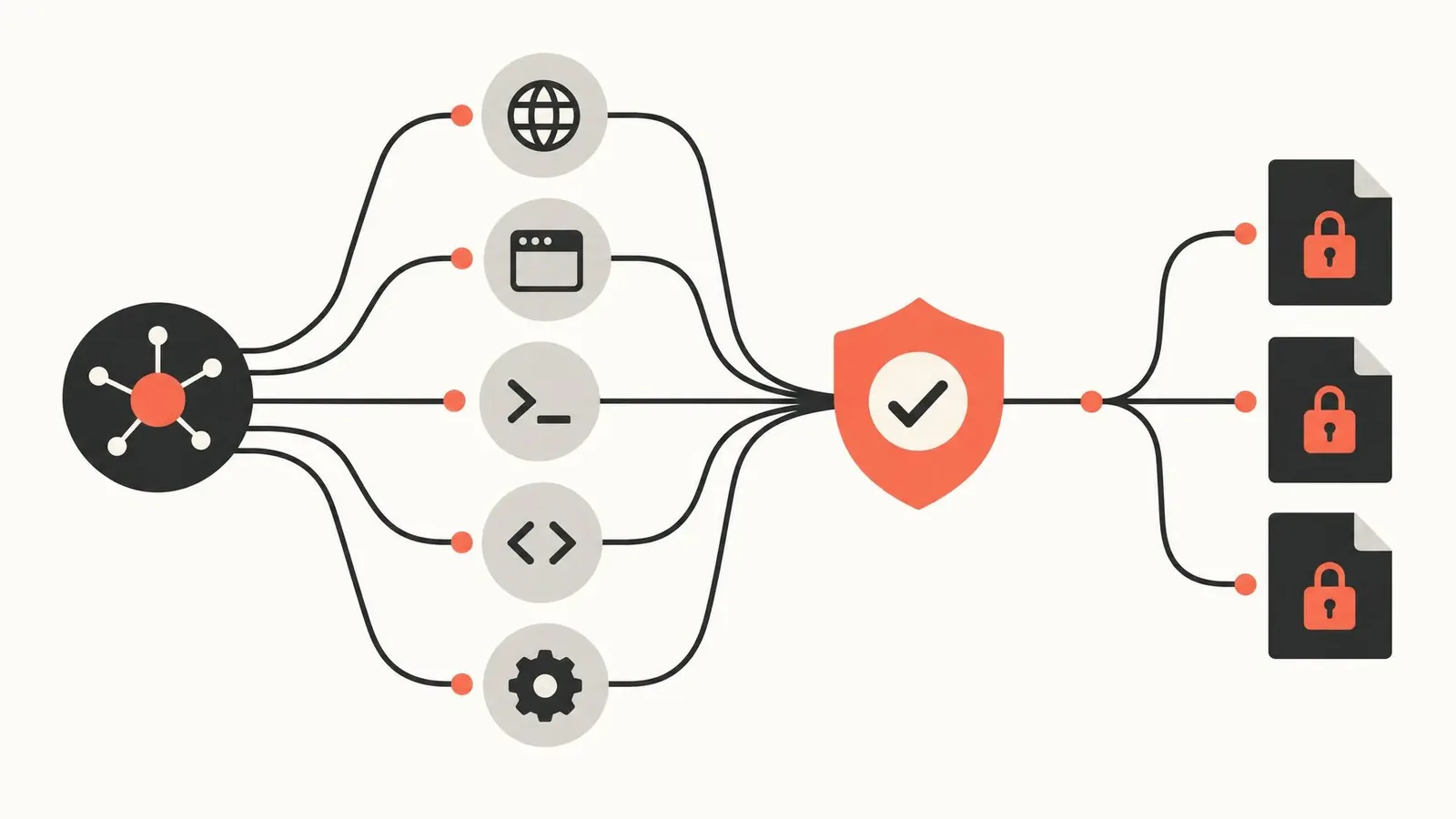
The listing defines the agent in broad operational terms: it browses the web, works across apps, runs commands, writes and debugs code, and calls services, choosing the right tool for each step. Movement across apps, browsers, command lines, code and APIs is presented as fluid handling of multi-step tasks. Tool selection itself belongs to the agent, not to a fixed script. Private operation and product polish associated with Apple form part of the stated ambition, though these remain hiring-language objectives.
The report positions the project beside computer-work services already launched by Anthropic and OpenAI, plus the recently introduced Muse agent line from Meta. Apple entering that group would move competition onto the Mac, where local applications, files and system permissions determine practical capability. The macOS 27.3 warning about discouraging full access for third-party agents adds platform context. Apple is thus exploring its own automation while preparing additional friction around sweeping permissions for outside software.
What a Mac agent means for business use
For companies using Mac fleets, a built-in agent could consolidate tasks now split among browser extensions, scripts, RPA tools and developer utilities. Web research, cross-app data transfer, command execution and code debugging might run inside one system with access to local context. Larger firms could standardize such workflows across support, operations and engineering teams. Smaller firms without automation staff could gain capability without assembling several vendors.
The constraint sits in permissions and trust. Apple said in an October 2, 2026 developer notice that some developers use Full Disk Access in ways that could expose files, mail, messages and browsing history without full user understanding. That permission largely sidesteps normal privacy controls so backup apps function properly, while in communication apps it can affect contacts as well. With agents becoming more capable and autonomous, Apple plans additional controls requiring very explicit user action, so buyers should verify which data scopes an agent truly needs.
Confirmation will come if Apple moves from hiring language to shipped behavior: a named Mac agent in an official preview, a stated permission model, and macOS 27.3 controls operating as described. Absence of those markers by late 2027 would leave the project as exploration. Their appearance would show how Apple reconciles agent authority with explicit consent on business machines.
