
Anthropic went public at a record $1.5 trillion valuation, with pledges from its seven co-founders valued at $112 billion at the IPO price. Most employee shares cannot be sold or donated until spring 2027, which leaves nonprofits in an unusual position of preparing for large gifts that have not arrived. The dynamic matters because delivery capacity, not donor intent, now looks like the binding constraint on future AI-linked philanthropy.
How pledges and lockups shape the waiting period
The seven co-founders have pledged to donate 80% of their equity, a commitment that anchors expectations around global health, animal welfare and scientific research organizations. Anthropic said on October 18, 2026 that its proposed Public Benefit Fund would initially receive 5% of company shares, subject to stockholder approval. Another 2% would become available at board discretion for every 50% increase in company value above a set baseline, creating a formula tied directly to market performance.
The structure around the giving adds further conditions. The fund would use an LLC form that preserves flexibility among forms of giving, while lobbying and political giving are excluded from use of its Anthropic equity. Approximately half of employees participate in a separate equity donation match program, widening the potential donor base beyond founders. Together, the lockup until spring 2027, the approval requirement and the valuation link mean nonprofits must plan around timing and size they cannot control.
Early grantmaking shows how some funders are bridging the interval. On July 23, 2026, Coefficient Giving said it and Good Ventures were raising their 2026 commitment to GiveWell recommendations from $175 million to $1 billion. The increase is described as a one-off surge to fill cost-effective gaps, not a new steady funding level. Its stated purpose is to let grantees hire staff, expand geographically and build systems capable of absorbing larger donations if AI-related wealth materializes.
What early capacity building means for operations
GiveDirectly illustrates what preparation looks like inside an operating nonprofit. Its September 21, 2026 plan targets capacity to absorb $5 billion or more annually by 2028, ten times its capacity at the end of 2025. Existing operations could deliver about $500 million during 2026, already more than donations available to distribute. The plan does not assume the larger target will be funded, so investment focuses on bottlenecks that money alone cannot quickly remove.
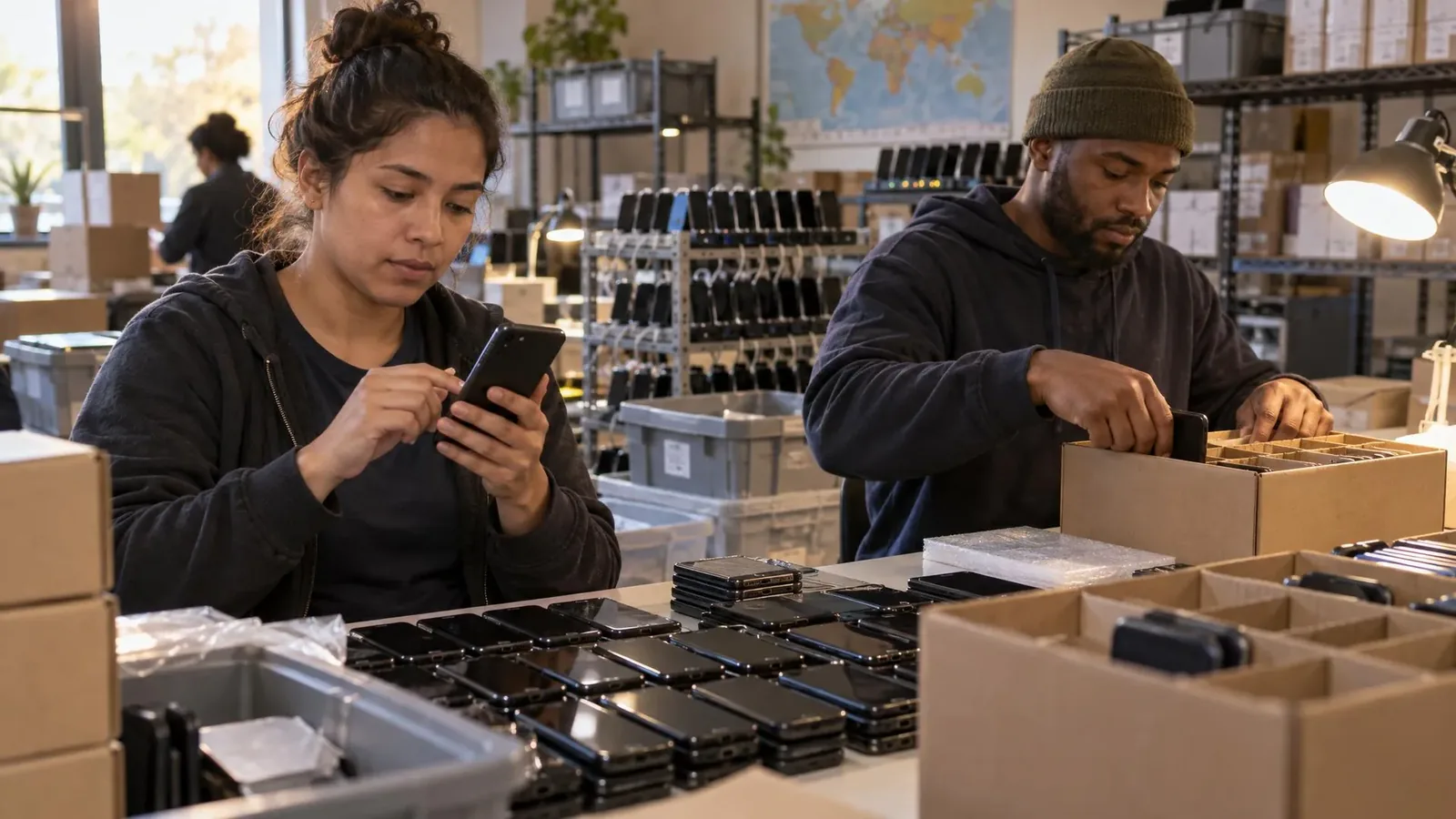
Phones for digital payments form the clearest bottleneck. GiveDirectly sends cash to poor households without conditions on use, but recipients need mobile phones, offered for about $15 with the cost generally deducted from the first payment. The group distributed nearly 125,000 phones in 2025 and is preparing for possible demand of 2 million to 3 million per year. Work includes direct talks with manufacturers, real-time inventory tracking, recruitment of a global phone procurement manager, plus regulatory approvals, partnerships and technology funded by private donors.
The test of this buildup will come when employee shares become transferable in spring 2027 and when GiveDirectly reports progress toward its 2028 absorption goal. If locked equity converts into actual donations and procurement, verification and remote enrollment hold up under volume, the capacity bet will prove justified. If valuations fall or gifts go elsewhere, nonprofits will retain leaner delivery systems built for scale that future donors in science and welfare work can still use.
