TechCrunch Disrupt 2026 will take place October 13-15 at Moscone West in San Francisco around building an enduring company in the AI era. The program includes more than 200 expert sessions across six editorially curated stages, plus Startup Battlefield with a $100,000 check for the winner. One past participant reported a 3x oversubscription rate and more than 100 investor inbounds after Battlefield confirmation. For business founders this matters because the event is positioned as concentrated access to capital, partners and practical operating lessons.
Format, stages and Startup Battlefield
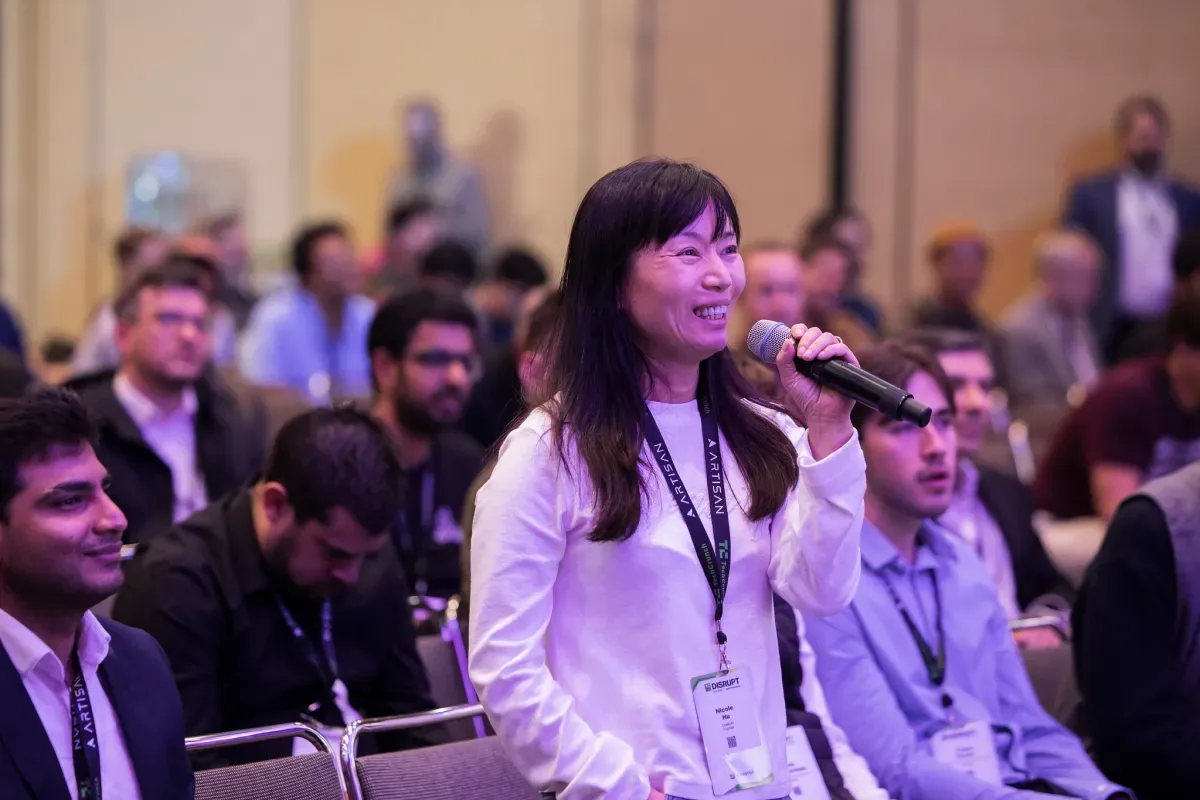
Disrupt is built for three days of pitches, sessions and organized networking, with TechCrunch noting more than 20 years of covering startups. The central question for all sessions is what a founder can take back to the company on Monday morning, whether the task is a first round, team scaling or changing a product under AI. The audience includes thousands of founders, investors, startup employees and technology leaders, with meetings possible in the Expo Hall, Side Events and through the event app. The format therefore combines stage content with serendipitous contacts that can alter a fundraising round or product direction.
Startup Battlefield remains the capstone competition, with 200 startups selected on August 20 to pitch onstage before venture investors and the Disrupt audience. Participants go through a preparation process, present semifinalist pitches and maintain booths in the exhibition area, where follow-up meetings often start. The source cites one founder who held nearly 30 back-to-back investor conversations after an onstage pitch that continued at the booth. Applications for the 2026 competition are closed, while the program is expanding to more international markets and the 2027 process is expected to follow a similar model.
The stage system is divided by founder need rather than by technology topic. Early founders are directed to the Builders Stage, Battlefield semifinalist pitches, the Expo Hall and industry roundtables to test a thesis and map competitors. Founders seeking capital receive a Founder Pass with networking tools and access to the Deal Flow Cafe for one-on-one founder-investor conversations. Those looking for hires, partners and visibility are pointed to the same networking instruments plus Side Events organized by industry and interest, with the full speaker lineup updated as the date approaches.
What this means for AI companies
For companies building AI products, the practical value lies in comparing fundraising narratives and product decisions within a short cycle. Sessions with chief executives, investors, engineers and operators focus on building companies inside the AI shift, not on forecasting models. A small team can use the Builders Stage and Expo Hall to check pricing, positioning and investor reaction before committing development resources. A larger company can use the Deal Flow Cafe, Side Events and exhibition contacts to screen startups, potential integration partners and hiring candidates in one location.
Costs and constraints deserve separate calculation before purchase. Ticket prices rise closer to the event, though founders can add a second ticket at 50% off to cover more meetings with a co-founder or colleague. A limited volume of $75 Expo+ passes is available for professionals affected by layoffs, which widens the talent pool but also requires advance booking of meetings. What the guide does not promise is a guaranteed investment outcome, since the cited 3x oversubscription and 100 inbounds describe individual cases. Founders should clarify which meetings are included in each pass, how matchmaking works in the app, and which sessions match their current fundraising stage.
The marker to watch is the October 13-15 program execution and the Battlefield winner reveal with its $100,000 award. Attention should go to which AI startups reach the finals, what investor feedback they receive, and which operational practices are repeated across sessions. If several finalists and speakers converge on the same monetization or deployment approach, that signal will carry more weight for planning product and hiring decisions.