
Andreessen Horowitz has added observed US card spending to its Top 100 consumer AI ranking for the first time, and the picture is uneven. Nearly half of US consumers use AI, yet only 4.5% held a paid personal subscription to ChatGPT, Gemini or Claude in August. That small paying group carries the market, which matters for any business planning AI products around subscriptions.
How a16z measured paying demand for AI
It is the seventh edition of the ranking, based on web traffic, mobile users and now spending data from YipitData. The spending figures come from consumer card panels and do not equal total revenue, but they show actual payment behavior. After three years the top looks increasingly locked in, with only eleven newcomers, the fewest ever. Only seven companies rank in the top tier across all three lists, including ChatGPT, Claude, Perplexity and Canva.
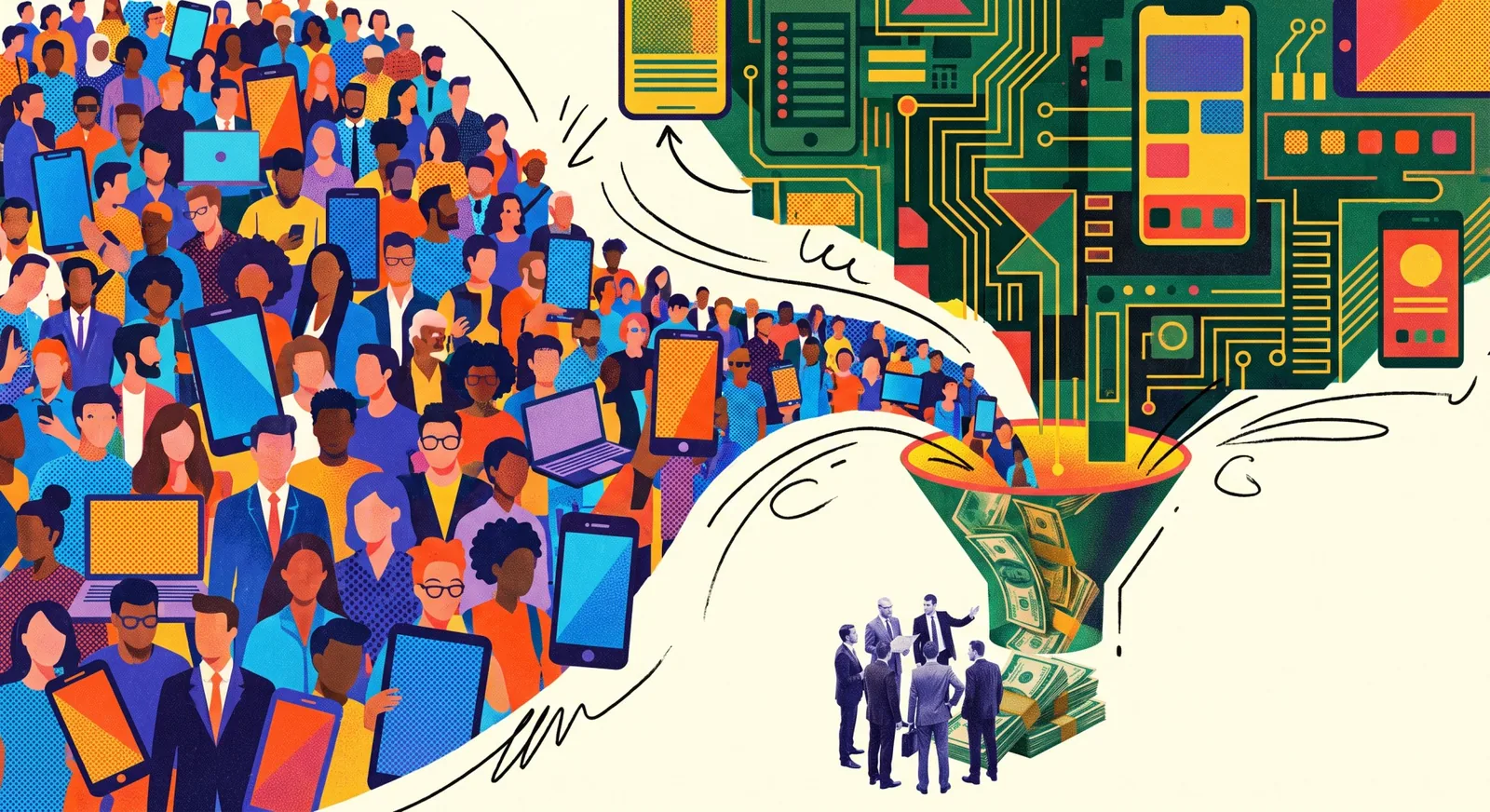
Revenue concentration is extreme inside the narrow payer base. The top 1% of spenders accounts for nearly a fifth of all observed AI spending, more than the entire bottom half combined. That top segment averages about $900 per month and keeps climbing, while the typical paying user spends about $25 and has held steady. The share of paid subscribers doubled from roughly half the current level a year earlier, while only a quarter of consumers use AI daily.
Product choice explains where the money comes from. Heavy spenders favor building and automation tools such as n8n, Manus and fal at much higher rates, plus creative tools such as Higgsfield, Figma and HeyGen. In practice they act as prosumers buying software to build, design and work, with professional use driving outlays. Paid accounts offer far more features but demand a steeper learning curve, so free users often stay at the surface of what the tools can do.
What concentrated AI spending means for business
For vendors, the first reliable paying market is not mass consumers but professionals who turn AI into output. A small firm can reach this demand with a focused tool for design, automation or content, priced as a subscription or usage fee. A large company faces a different task: package advanced functions into simpler workflows, because complexity now limits conversion from free use to paid plans. ChatGPT leads the web with roughly double Gemini traffic and six times Claude, and the mobile gap is even wider.
The same data warns against counting on broad consumer willingness to pay. Claude rose to a clear number three after missing the first 2023 web list, passing DeepSeek and Perplexity and pulling even with Gemini among US subscribers, yet daily Claude sessions fell in July and August while ChatGPT accelerated with new models and ChatGPT Work. Anthropic monetizes better, with a larger share of Claude users on the priciest tier from $100 per month than similar OpenAI and Google plans. Agents add uncertainty: Instinct reports 40% of users link a card within three weeks and spend four-figure sums monthly, much of it on travel.
The marker to watch is whether payment models move beyond subscriptions. Most top AI-native products still rely on subscriptions or usage fees, with only a small fraction using ads or transaction fees, because high model costs block the old pattern of free growth first. OpenAI reported a $1 billion annualized revenue run rate from ChatGPT advertising in August, while Amazon blocked Meta Muse within two weeks as Shopify, Instacart and OpenTable signed integrations. If agents earn steady affiliate or transaction cuts, the payer base could widen beyond prosumers.