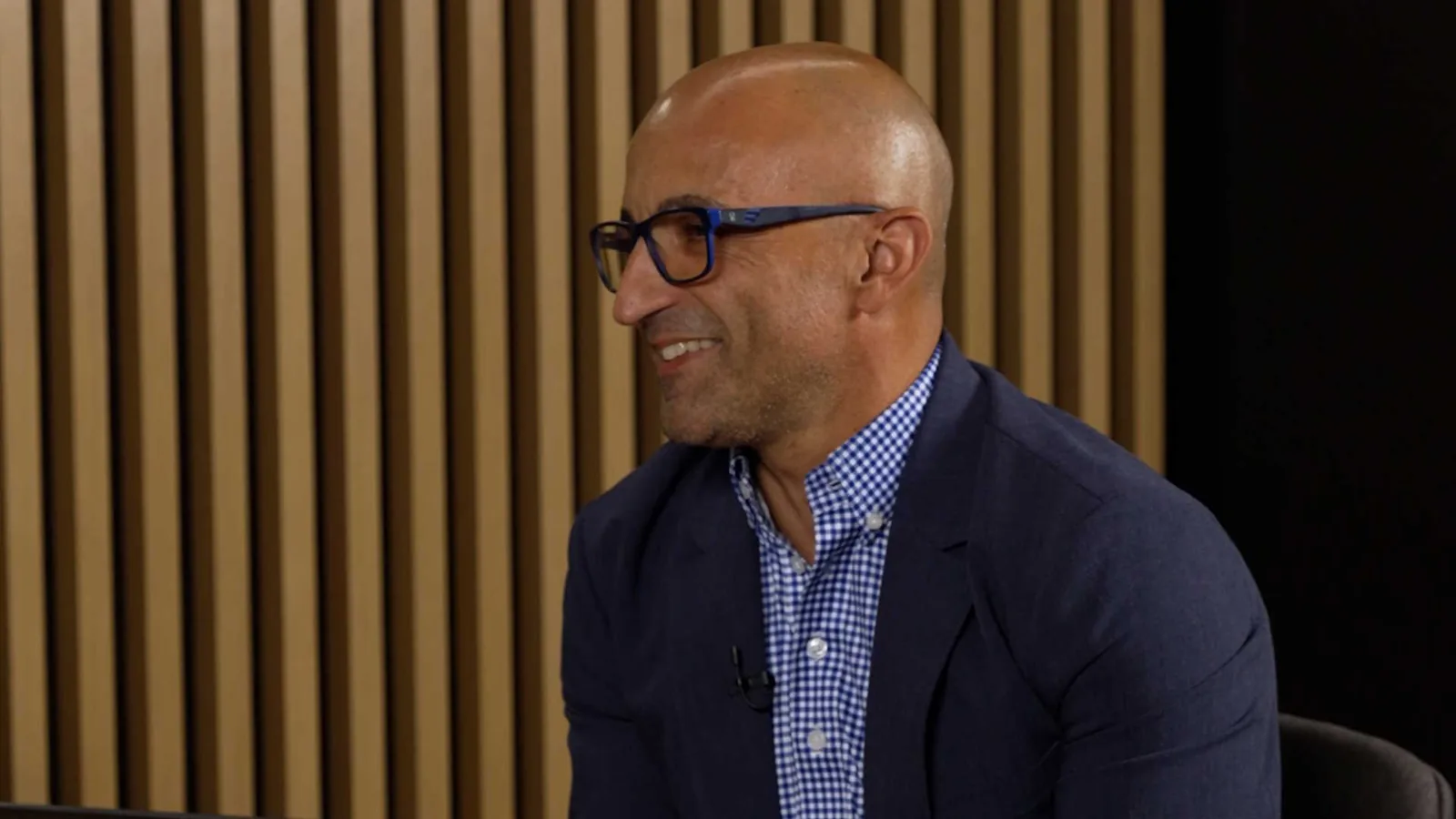
IBM plans to center its TechXchange 2026 conference on taking enterprise AI orchestration into production, with customer cases from Citigroup, CVS Health and DoorDash. The event runs Oct. 26-29 in Atlanta and will focus on access, oversight and operational control for agents. Group vice president Bruno Aziza described the market as increasingly hybrid across data, operations and automation. The message for business is that scaling agents now depends on governance, not model choice.
Production focus of TechXchange 2026
TechXchange is positioned as a practitioner exchange rather than a product showcase, with IBM stating that most sessions will feature customer content. The agenda connects agent orchestration, data integration, hybrid operations and sovereignty, reflecting systems that span existing applications, clouds and infrastructure. Aziza argued that complexity comes from mastering hybrid environments instead of trying to remove them. Practitioners are expected to compare design decisions with peers facing similar deployment conditions.
IBM frames its AI operating model as the link between agentic workloads, data, hybrid cloud and infrastructure automation. Agents must connect to established business processes and handle both batch and real-time data, according to Aziza. Oversight should therefore extend across applications, clouds and data, supported by alerts that help teams understand and respond to failures. The approach treats employee-built agents as inevitable, requiring a platform that keeps management capacity aligned with creation speed.
Governance is presented as continuous enablement rather than a brake on innovation. Aziza warned that agents created by employees will outpace manual control, which creates a point where traditional oversight breaks. The proposed answer is visibility into what staff deploy plus coordination across systems. That framing shifts compliance from prohibition toward structured freedom to build inside monitored boundaries.
What production control means for business
For companies adopting agents, the consequence is a wider buying checklist that covers orchestration, integration, operations and responsibility for outcomes. Small firms gain usable building tools, but without centralized visibility they risk a sprawl of disconnected assistants tied to separate data sources. Large organizations with hybrid estates face higher coordination costs, yet they benefit more from common alerts, access rules and process connections. Vendor selection therefore moves from single features to how components operate together.
Sovereignty adds a second filter that goes beyond choosing a data location. Aziza listed four dimensions: where data should live, which technology layers are run by whom, who can operate the environment, and how regulations are tracked. IBM points to its Sovereign Core, with more than 200 compliance frameworks mapped to controls, as support across those areas. Buyers should verify whether a partner covers all four dimensions, since a partial answer can create an isolated setup that later limits expansion.
The marker to watch is what practitioners report from Atlanta after Oct. 29 about running agents under production demands. Concrete signals include named deployment patterns from regulated and high-volume operators, plus details on monitoring and sovereignty controls in hybrid setups. If such cases show repeatable operating practices rather than pilots, production readiness will have moved from framework discussion to procurement criteria.