
A former contractor in the Super Micro Computer export case has admitted helping divert AI servers to China, in a scheme prosecutors value at about $2.5bn. Ting-Wei "Willy" Sun entered a guilty plea in Manhattan federal court on Thursday under a deal with prosecutors. The admission matters because it gives investigators a cooperating insider account of how restricted Nvidia-powered hardware reached Chinese customers.
Plea deal and the alleged diversion route
Sun pleaded guilty to four counts, including conspiracy to violate export controls, after being charged in March alongside two other men. Prosecutors say Sun and others first shipped servers with Nvidia chips to a Southeast Asian company and then redirected them to buyers in China. Those chips fall under US export rules that bar their sale to China. US authorities have described Sun as a fixer for the operation.
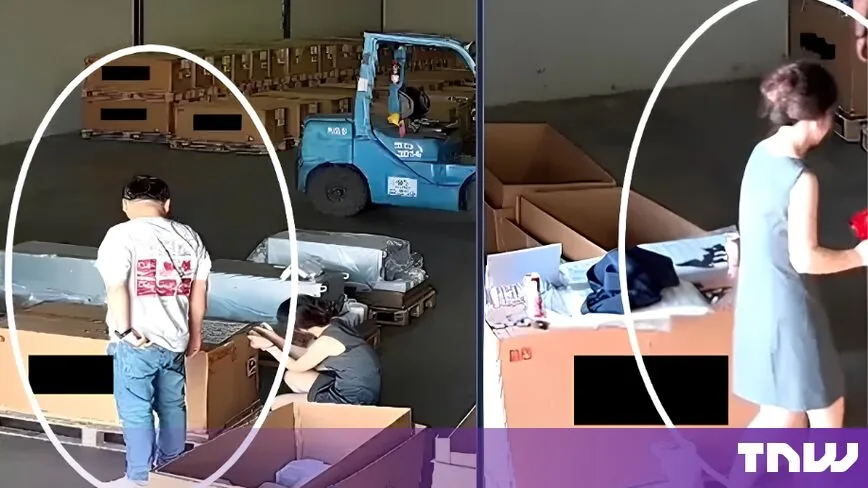
The indictment alleges a deliberate effort to mislead auditors and conceal the final destination of the equipment. Records were allegedly falsified, while the group built dummy servers to pass inspection. Prosecutors say serial numbers were attached with a hair dryer to make the substitute units look legitimate. Surveillance stills released by the Justice Department purportedly show Sun and a broker preparing those units.
The case sits inside a wider US campaign against unauthorized transfers of advanced computing hardware. Last week prosecutors charged a California man with sending $300mn of AI servers to China, showing that enforcement actions are accumulating. Export controls on high-performance chips have made Southeast Asian intermediaries a recurring focus of investigations. Similar cases turn on paperwork, serial-number tracking, and proof of knowledge about the end customer.
What the guilty plea means for hardware buyers
For companies that buy or deploy AI infrastructure, the plea increases the compliance burden around server provenance and end use. Vendors and resellers are likely to request more documentation on buyers, deployment locations, and ownership chains before releasing Nvidia-based systems. Large operators may absorb the checks through legal and procurement teams, while smaller firms could face longer delivery reviews and additional questions from distributors.
Several points remain unresolved and deserve attention in supplier due diligence. Super Micro is not a defendant and said in August that current senior leaders did not know about the scheme and are cooperating with investigators. Co-founder Yih-Shyan "Wally" Liaw, charged in March, has pleaded not guilty and left the board, while former Taiwan sales manager Ruei-Tsang "Steven" Chang has not appeared in court. The news alone does not establish liability beyond Sun, so buyers should ask vendors how end-user screening and audit trails are organized.
The next concrete marker is Sun's sentencing, scheduled for September 2027, along with further proceedings against the other defendants. Testimony or sentencing materials may reveal how the diversion chain was structured and which controls failed. If additional charges or corporate findings follow, procurement rules for high-end AI servers will tighten further.