
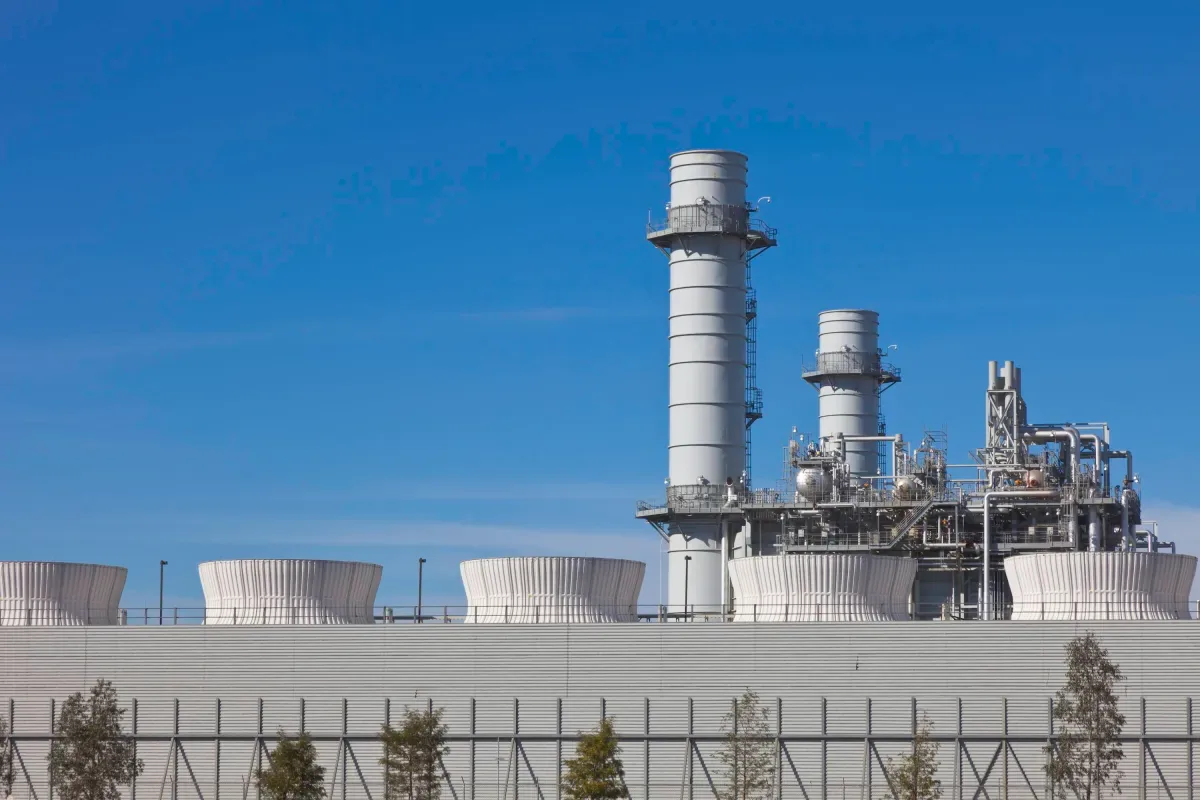
Anthropic agreed to pay $3.4 billion for natural gas turbines capable of generating up to 1.7 gigawatts of electricity, a sharp break with its practice of renting infrastructure rather than owning it. The equipment, built by Caterpillar, had originally been ordered by supplier OnePWR, according to a Financial Times report cited by TechCrunch. For a company preparing to go public this year, the deal secures scarce power capacity at a time when turbine backlogs stretch into the early 2030s.
How Anthropic secured the Caterpillar turbines
OnePWR placed the turbine order a couple of years ago but could not find financing to complete the purchase. Anthropic had initially planned to acquire the generators from OnePWR, then chose to buy directly from Caterpillar, the manufacturer. The reason OnePWR failed to secure financing remains unclear despite Anthropic showing interest as a customer. The direct purchase suggests Anthropic wanted to lock in the capacity and prevent a competitor from taking the same equipment.
The structure of the transaction reflects a company built around service contracts rather than physical assets. In its S-1 filing in May, Anthropic disclosed payments of $1.25 billion per month through May 2029 to use computing power from xAI, described as a SpaceX subsidiary. The filing added that Anthropic expects to enter into additional similar services contracts for rented compute. Buying turbines outright therefore marks a different category of commitment, with ownership, maintenance and fuel supply attached to the balance sheet.
The purchase fits a wider move by large AI operators to generate power on site instead of drawing from the public grid. Google, Amazon, Microsoft and Meta have all announced plans to build massive natural gas plants tied to their data centers. Grid-connection queues can run as long as turbine backlogs, which now extend into the early 2030s. That combination of equipment scarcity and connection delays explains why on-site generation has become a standard option rather than an exception.
What on-site gas power means for AI buyers
For companies that buy or rent AI capacity, dedicated generation changes the availability equation for large training and inference workloads. A 1.7-gigawatt block can support data center expansion even where the local grid cannot add load quickly, shortening the wait for new clusters. Small firms will not buy turbines themselves, but they feel the effect through cloud and model providers that can guarantee capacity. Large enterprises negotiating dedicated capacity gain another lever, since a provider with its own power is less exposed to regional grid constraints.
The trade-off is exposure to fuel markets and to assets that are hard to reverse. U. S. data centers alone could consume more natural gas than Germany and Japan combined by 2035 if the current buildout proceeds, while one analyst expects gas prices to more than triple by the end of the decade in some markets. The revival of fracking, the drilling method used to extract gas from rock, adds supply but does not remove price volatility. Buyers should ask providers how fuel costs are passed through, what runtime the on-site plant is designed for, and what happens if permits or gas delivery slip.
A concrete marker to watch is whether Anthropic converts this equipment into operating data center power on schedule and keeps its rented-compute contracts alongside it. Further turbine orders or long-term gas supply deals by Anthropic or its peers would confirm that on-site gas is becoming a durable layer of AI infrastructure. If instead projects stall over financing, permits or fuel prices, the $3.4 billion deal will look like an expensive hedge.
