
Western Australia is demanding a fast refund from Deloitte after its A$166,000 cost-benefit analysis of a university merger contained references to sources that do not exist and incorrect cost totals. The study supported a plan to merge the University of Western Australia, Curtin University, and Murdoch University. Deloitte disclosed that generative AI helped gather research, summarise information, and proofread the document. For buyers of consulting and AI-assisted research, the case shows how quickly flawed outputs create financial and reputational costs.
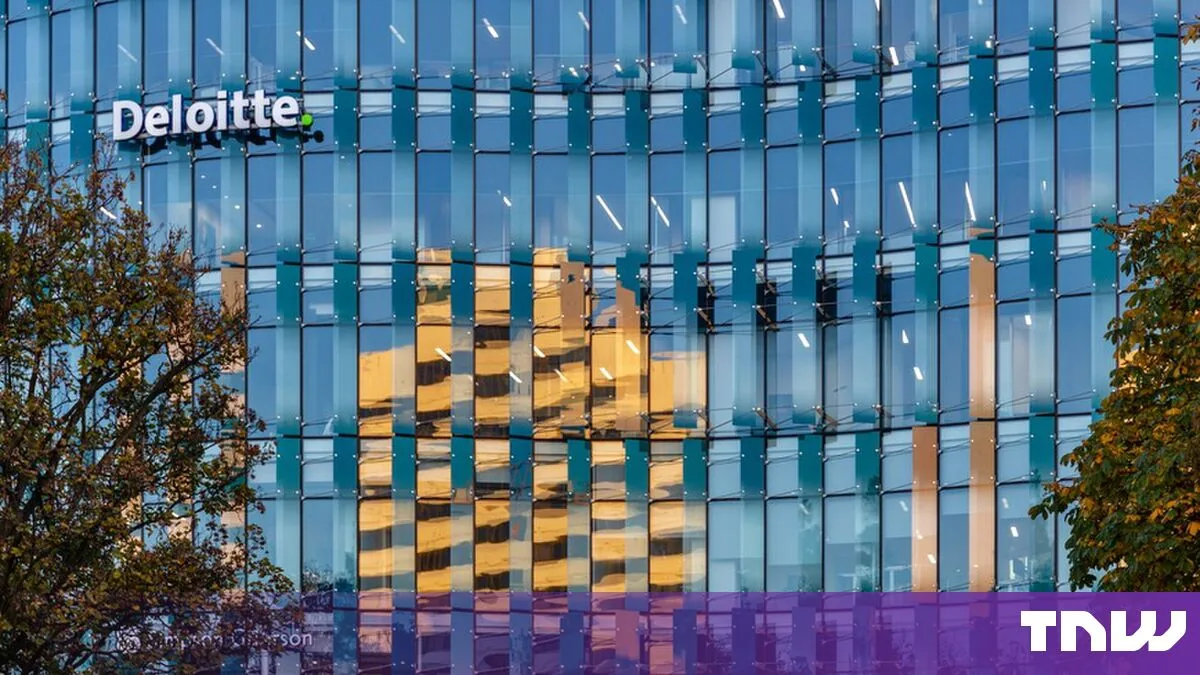
How errors in the merger report surfaced
Critics first flagged the invented references in early October, beginning with a post on Reddit, according to Times Higher Education. At that stage Deloitte described them as minor errors, while the state government instructed the firm to fix and reissue the report. A government spokesperson later told Guardian Australia that the state was very disappointed and had written to Deloitte to speed up the refund. The sequence matters because the refund request followed public scrutiny rather than internal quality control. It also shows that disclosure of AI use did not prevent defective citations from reaching the client.
The report itself stated that generative AI was used to help gather research, summarise material, and proofread the text. That workflow explains how plausible-looking but nonexistent sources could enter a formal cost-benefit analysis without detection. Guardian Australia later found wrong sums in the appendix, including two costs for a Curtin and UWA merger that totalled A$659m but were presented as A$399m. TNW reported that it had not independently checked those appendix figures. The government said it had been told the errors do not change the modelling or findings, with Deloitte expected to correct and reissue the document.
Deloitte did not respond to questions from Guardian Australia about the latest findings. The lack of public explanation leaves open how the figures were calculated, checked, and approved before delivery. The government position separates the numerical mistakes from the underlying model, yet the distinction is difficult for an outside reader to verify. A reissued report may repair the arithmetic, but it does not by itself restore confidence in the research process. The episode therefore centers less on one typo and more on controls around AI-assisted drafting, review, and sign-off.
What this means for buyers of AI-assisted work
For companies that commission research, feasibility studies, or merger analysis, the direct consequence is a need for stronger acceptance criteria when suppliers use generative AI. Contracts can require disclosure of AI-assisted sections, source verification, and independent recalculation of tables before payment. Small firms feel the impact through wasted budgets and delayed decisions, since A$166,000 represents a substantial outlay for one study. Large organizations face a different scale of exposure, with flawed analysis feeding board papers, regulatory filings, or merger negotiations.
The limits of the current information deserve attention during vendor selection. It remains unclear which checks Deloitte applied, why fabricated references passed review, and whether the A$659m and A$399m discrepancy reflects data entry, formula, or interpretation problems. This news alone does not prove that AI caused every error, nor does it show that the merger conclusions are wrong. Buyers should ask vendors how sources are validated, who reviews AI-generated summaries, what audit trail exists, and what remedy applies if defects emerge after delivery.
A concrete marker will be whether Deloitte issues a corrected report with reconciled appendix totals and verifiable references, alongside completion of the requested refund. A prior partial refund for an A$440,000 federal report in 2025, plus similar AI-related problems reported at KPMG and PwC this year, gives a baseline for comparison. If reissued Big Four reports include documented checks and fewer post-publication corrections, controls are improving. If refunds and corrections continue, procurement teams will price that risk into future engagements.
