
Waymo announced on September 17, 2026 that it is entering Singapore, where it plans to launch a fully autonomous, all-electric commercial ride-hailing service through the Waymo app in 2028, in partnership with the Ministry of Transport and the Land Transport Authority. The company already reports more than 500,000 trips per week across more than 15 major U. S. cities, so the Singapore launch becomes its first commercial market in Southeast Asia. For business, this is a test of whether autonomous ride-hailing can be exported beyond American roads and regulation.
Three phases before the 2028 launch
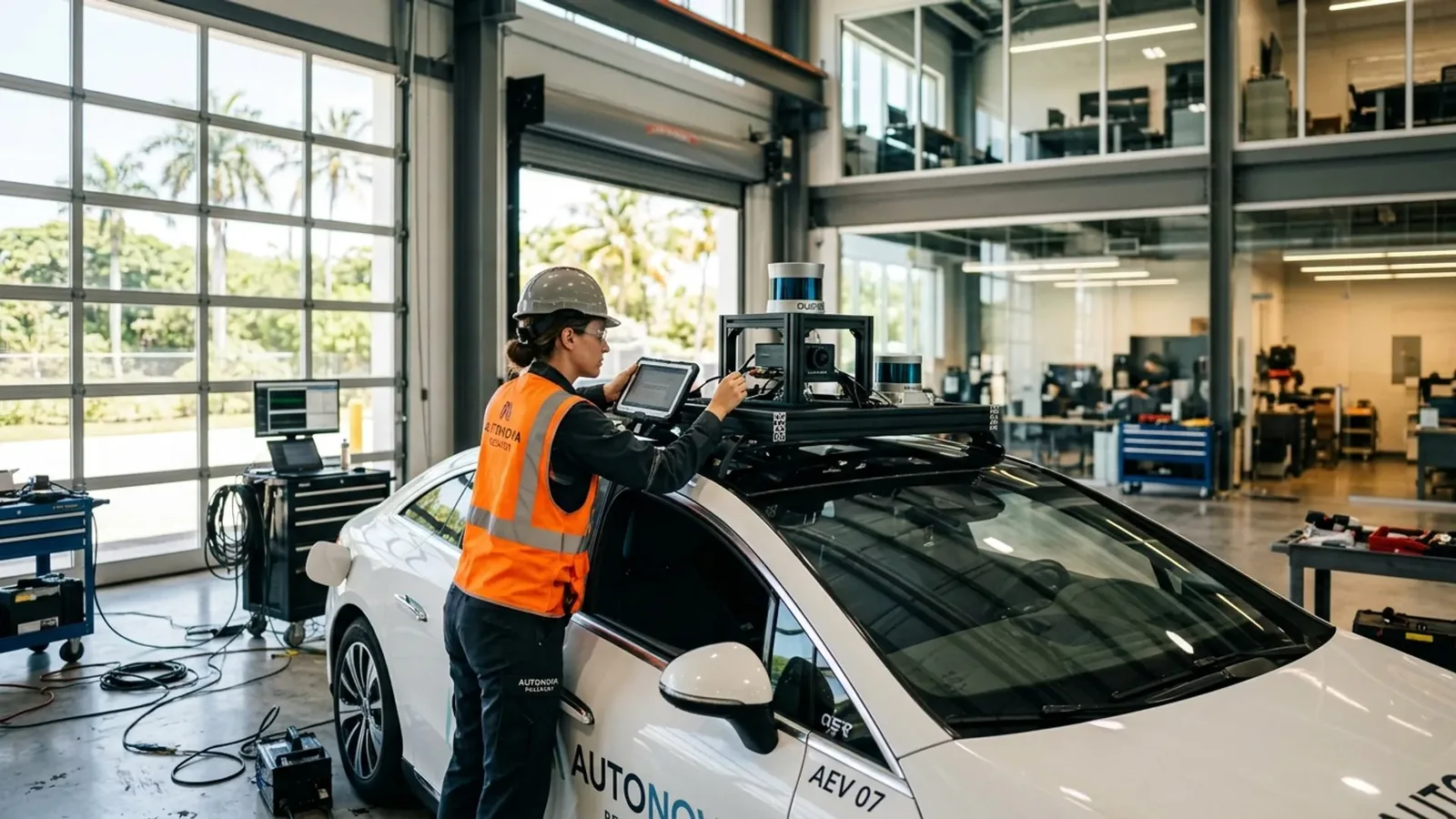
The market entry is split into three stages. In the coming months, an initial fleet of all-electric Jaguar I-PACE vehicles will arrive in Singapore as Waymo establishes local operations. A readiness phase in 2027 will see trained autonomous specialists conduct initial manual driving, adapting the Waymo Driver to local road geometry, monsoon weather patterns and other conditions. Only then does Waymo intend to open the fully autonomous service to riders through its app in 2028. The Land Transport Authority confirmed the arrangement in a release dated September 18, 2026, naming Waymo the country's newest autonomous vehicle operator alongside ComfortDelGro and Grab.
The technical work is spelled out on Waymo's Singapore page. Initial driving operations begin in 2027 with manual mapping and validation driving, followed by autonomous driving with trained local specialists behind the wheel and, later, fully autonomous operations. Waymo plans to drive day and night and to manually map all regions of Singapore, collecting the data it needs to seek Land Transport Authority approval for its autonomous driving system in 2027. Operations typically run 24 hours a day, seven days a week, and testing data will be processed under Singapore's Personal Data Protection Act and the Waymo Services Privacy Policy. The fleet starts with Jaguar I-PACE vehicles equipped with the fifth-generation Waymo Driver, with additional vehicle platforms planned as the fleet expands.
The sensor suite of cameras, lidar and radar gives the Waymo Driver a 360-degree view of its surroundings up to 300 metres away and is trained to anticipate the actions of other road users, including pedestrians and cyclists. Safe Exit features are intended to keep riders aware of approaching cyclists when leaving the vehicle. Waymo says it is applying the same safety-first framework that has guided its growth across the United States and its ongoing work to launch in Tokyo, London and Munich, and describes the process as one requiring rigor, patience and regulatory approvals alongside extensive engagement and collaboration. The company reports a 94% reduction in injury-causing crashes compared with human drivers in the U. S. cities where it operates fully autonomously, and describes its technology as the product of more than 17 years of development.
What this means for the autonomous mobility market
Singapore's government frames the entry as part of longer-term plans to attract world-class autonomous vehicle players and foster a competitive autonomous vehicle industry. Transport Minister and Second Minister for Finance Jeffrey Siow said the partnership will move the country toward new transport options, strengthen the local ecosystem and create new capabilities and jobs. Waymo co-CEO Tekedra Mawakana said Singapore's focus on reliability, sustainability and human-centric progress mirrors how the company built its technology and service, and committed to creating high-skilled local operational jobs while complementing the country's public transit network. The announcement included a photograph of Mawakana and Siow together in the San Francisco Bay Area earlier in 2026.
For companies that buy or operate autonomous mobility, the Singapore case shows what a cross-border launch now costs in time: roughly two years from fleet arrival to commercial service, with a full year of mapping and validation before autonomous driving is approved. That timeline matters for procurement and for city-level planning, because a vendor's U. S. track record does not shorten local approval. The scale behind the expansion is significant: more than 20 million fully autonomous rides served and more than 300 million fully autonomous kilometres driven, with publicly available services in San Francisco, Los Angeles and Phoenix, and autonomous driving experience also being gathered in London and Tokyo. Waymo estimates that at its current scale its all-electric fleet prevents 480 metric tonnes of carbon dioxide from road travel every week, and says more than a third of San Francisco riders are picked up or dropped off near transit stations.
Several questions remain open for anyone assessing the model. The driver workforce is the most sensitive: the government said it is committed to helping drivers prepare early and will not allow autonomous vehicle deployment to run ahead of its ability to retrain and support affected drivers, building on a manpower transition package announced in July 2026 and continued work with tripartite partners and operators. Pricing, fleet size beyond the initial Jaguar I-PACE batch and the exact commercial terms are not disclosed. The 2028 date depends on Land Transport Authority approval of the autonomous driving system in 2027, so the milestone to watch is that regulatory decision, not the announcement itself. Residents can sign up on Waymo's Singapore page to follow milestones and receive updates on the service launch.