
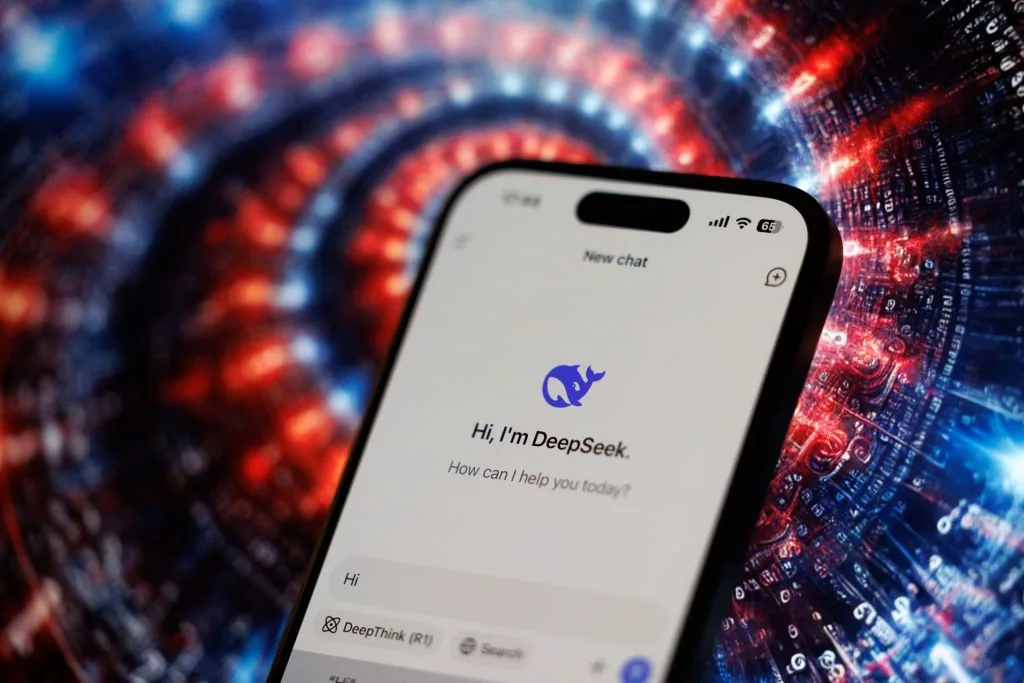
Federal civilian agencies in the US must stop buying products and services developed by Chinese startup DeepSeek and remove them from government IT systems. The order, issued through the Department of Homeland Security, cites national security concerns linked to the company's operations in China. It matters because the ban also covers third-party products built on DeepSeek technology, widening compliance work for vendors.
Scope of the DHS removal order
The directive applies to both new purchases and systems already deployed inside federal civilian agencies. It prohibits services and products developed directly by DeepSeek, plus outside offerings that incorporate its technology. Agencies can request exceptions, though the source does not describe the criteria or approval process. The structure means IT departments must inventory direct installations and check supply chains for embedded components.
The stated reason centers on handling of user data by DeepSeek. DHS warned that sensitive information from US government users could become accessible to Chinese authorities under Chinese law. The order therefore treats risk as structural, tied to legal jurisdiction rather than a single incident. That framing explains why removal, not only a purchase freeze, was required across existing infrastructure.
The current step extends controls first applied elsewhere in government. A law passed in December 2025 targeted DeepSeek use in intelligence national security systems. The new order brings federal civilian agencies under similar restrictions. China responded through Foreign Ministry spokesperson Mao Ning, who said Beijing opposes overstretching national security concepts and politicizing technology and trade, and pledged to safeguard the interests of Chinese enterprises.
What the ban means for AI buyers
Companies selling to US agencies will need to document whether DeepSeek models, code, or distilled outputs sit anywhere in their stack. Commercial products that quietly rely on low-cost open-weight models now carry procurement risk when a federal customer is involved. Small vendors face a heavier burden because audits of subcontractors and open components take time and specialist review. Large contractors can spread that cost, but they must still certify offerings across broader product lines.
The decision does not by itself prove misuse of any particular dataset or deployment. Open questions include how exceptions will work, how agencies will verify third-party claims, and what replacement timelines apply. Buyers should ask vendors for a written bill of materials for models, training sources, and update paths. Contracts should also clarify who handles removal costs if a component is later found to contain restricted technology.
A marker to watch is how agencies process exception requests and publish implementation deadlines for removal. A second marker is whether China introduces export restrictions on 23 AI-related technologies reported by Bloomberg, including chip designs and advanced models. Together those steps will show whether separation of US and Chinese AI supply chains is accelerating or stabilizing.
