
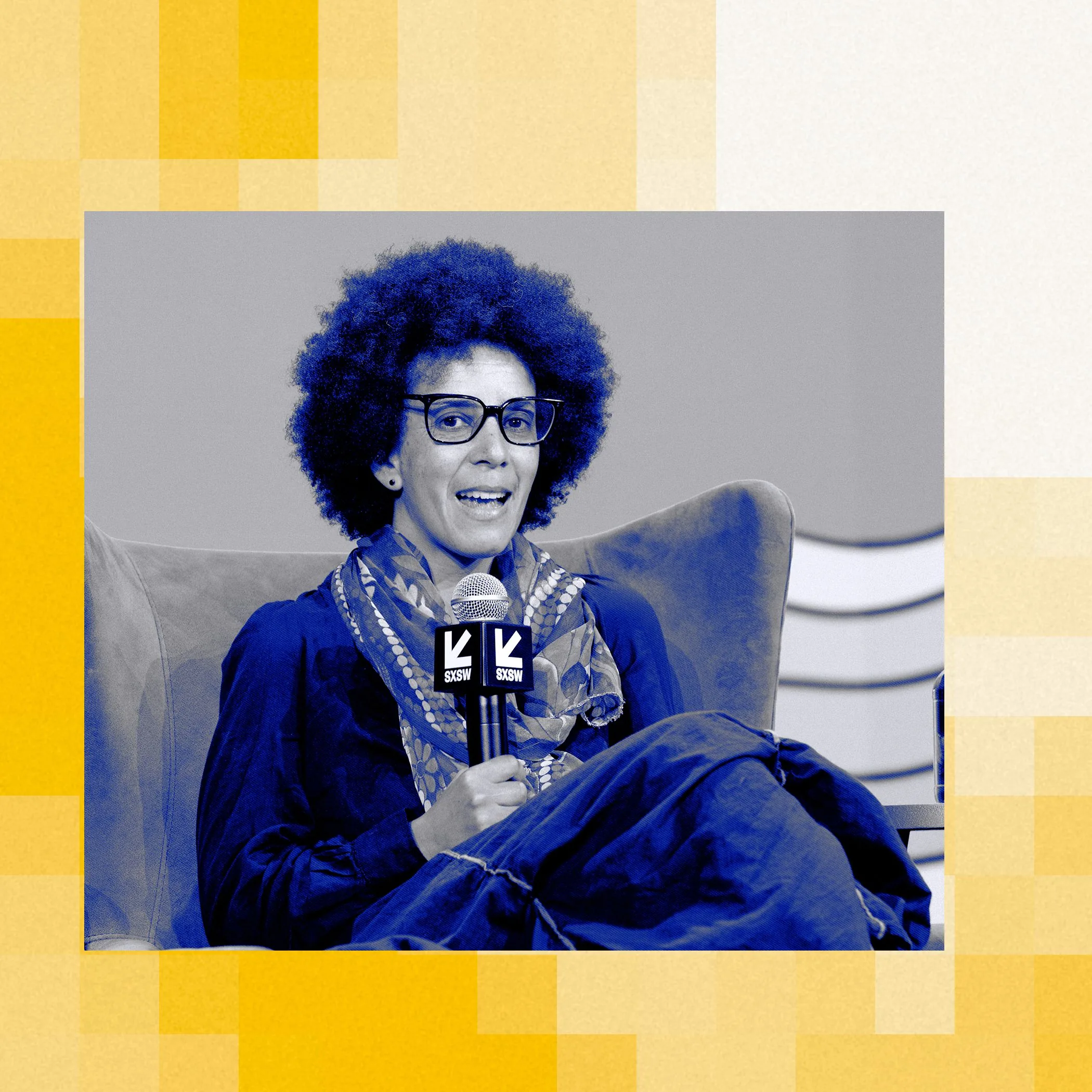
Timnit Gebru, a prominent AI researcher known for her public departure from Google in 2020, has sharply criticized the current wave of AI extinction warnings, calling them a distraction from concrete harms. In an interview with WIRED, she said the industry's focus on existential risk diverts attention from autonomous weapons, climate damage, and the use of AI to displace workers. Her comments came after a week of public disputes over an OpenAI math breakthrough and the resignation of an Anthropic safety researcher.
What Gebru says about the math fight
Gebru questioned why AI companies invest heavily in solving math problems, arguing that disciplines like math, programming, and chess are elevated to prove that machines have achieved intelligence. She pointed to OpenAI's recent claim of solving a million-dollar math problem, saying that if the claim had gone through the math community's normal vetting process for significance and novelty, the public would have a better sense of whether it was framed accurately. She also cited the Leiden Declaration, which warns about the consequences when corporations use mathematics in this way, noting that policymakers increasingly rely on press releases instead of talking to mathematicians. The time between a company claiming an AI breakthrough and a politician proposing a bill is now very short, which she called a negative development.
She attributed the aggressive competition to upcoming IPOs. According to Gebru, researchers used to collaborate across companies—she worked with people at Microsoft and Amazon while at Google—but now they are frantic about the problems they believe they are solving because of pending public offerings. This shift, she said, makes the field less collaborative and more focused on marketing claims.
On the resignation of an Anthropic engineer who called the companies reckless, Gebru said she has tried to make the same point from different angles throughout her career. She referred to her 2021 stochastic parrot paper, written after OpenAI claimed GPT-2 was too powerful to release. She argued that such framing asks the wrong questions. In her upcoming book, Deep Unlearning: The Rise of AI and the Radicalization of a Tech Idealist, she uses the analogy of a collapsing bridge: when a bridge falls, you do not ask whether it was ethical or sentient; you ask who built it so flimsily and why permits and tests did not prevent it. Similarly, asking whether an AI model went rogue misses the point of human responsibility.
What this means for business
For companies deploying AI, Gebru's critique suggests that vendor claims about safety and alignment should be treated with caution. She rejects the terms «safety and alignment» and argues that the doom narrative serves to distract from actual harms. Businesses evaluating AI tools should therefore ask suppliers for concrete evidence of testing, risk assessments, and accountability mechanisms rather than relying on statements about existential risk. This is especially relevant for smaller firms that lack the resources to independently verify claims and may be swayed by marketing that emphasizes speculative threats over operational risks.
Gebru also highlighted that real existential threats already exist: autonomous weapons used in warfare, climate catastrophe exacerbated by tech companies, and bosses using AI as an excuse to eliminate workers. For business leaders, this means that the most immediate risks are not science-fiction scenarios but regulatory, reputational, and workforce challenges. Companies should monitor how AI is used in hiring, firing, and task automation, and ensure compliance with labor laws. They should also assess whether their AI suppliers are contributing to military applications or environmental damage, as these factors can affect brand reputation and investor relations.
To judge whether the doom narrative is fading, watch for changes in how AI companies discuss safety in their IPO filings and public communications. If firms begin to emphasize concrete audits, third-party evaluations, and worker impact assessments over speculative extinction scenarios, that would indicate a shift toward accountability. Conversely, continued focus on machine-god rhetoric without verifiable safety measures would suggest that distraction remains the strategy. Business leaders can use these signals to decide when to engage with AI vendors and when to demand more substantive proof of responsible development.