
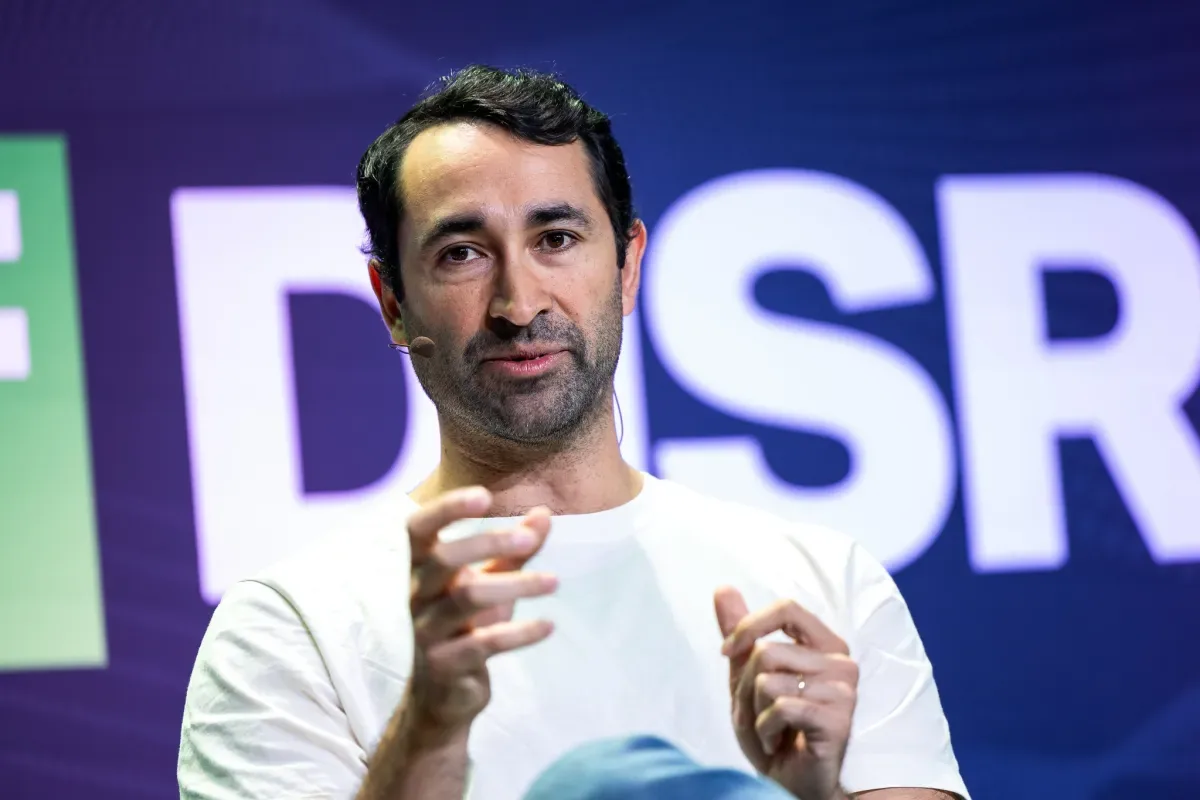
Dots, the always-on assistant from OpenAI, keeps working in the background without a prompt and tries to anticipate user needs. The product was released at the developer day in late September and is available in ChatGPT desktop and mobile apps to subscribers on the Pro tier or higher, with plans starting at $100 a month. Alexander Embiricos, who leads the enterprise product team, described it at TechCrunch Disrupt as a single ongoing conversation rather than many separate chats. For business users this matters because proactive agents change token usage, access rights, and daily workflows.
How Codex became a personal assistant
OpenAI built dots on top of agentic coding tools created for software engineers, including the Codex app released at the beginning of this year. Much of the assistant functionality could already be achieved with Codex, but that required more setup and supervision from the user. The company then spun ChatGPT Work out of those engineering tools and repackaged model capabilities into a more accessible form. Even the name plays on the negative space inside the OpenAI logo and is meant to feel ubiquitous. Embiricos said he learned very late that Elon Musk owns the dot. com URL.
Once connected to calendar, email, computer and other tools, dots tries to help complete work without waiting for instructions. It can flag calendar conflicts and upcoming deadlines, although in testing such warnings were not always timely. Embiricos recalled his own assistant warning him three minutes before a conflict, leaving almost no time to react. The company expects timing to improve as the product develops. A drone delivery startup engineer cited by Embiricos found that dots had already noticed an outage, analyzed it, and proposed resolution steps before the engineer saw the problem.
The shift reflects competition around persistent assistants that operate continuously rather than respond to single queries. Startup Instinct became widely discussed, while Meta backed its assistant Muse with large-scale marketing. Embiricos described this as convergent evolution toward framing AI as one entity that keeps one conversation. For OpenAI, a persistent agent means higher token consumption, while users get help framed as thinking about them. The approach relies less on new core technology and more on presentation, permissions, and how the interaction feels.
What proactive access means for companies
For companies that already use ChatGPT, dots lowers the barrier to delegating monitoring and preparation tasks to an agent. Connected calendars and inboxes let it surface conflicts, deadlines, and incidents without manual checks, which can shorten response time for operations and support teams. Small firms without dedicated assistants gain continuous coverage, while large firms can extend existing ChatGPT Work deployments. The trade-off is broader access to corporate systems and higher usage under Pro plans from $100 a month. Adoption therefore depends on which tools administrators are willing to connect.
Limits center on data access, permission granularity, and interaction with outside parties. Dots includes proactive research that periodically reviews conversations and connected resources, then proposes ways to be more helpful. OpenAI says it carries the same privacy controls as ChatGPT, including the ability to turn off model training and control computer resources. Still, controls are not highly granular, and the app refuses read-only access to cloud drives. Embiricos acknowledged criticism of conservative defaults and frequent permission requests, saying the balance will be tuned over time.
The marker to watch is whether OpenAI reaches working agreements with payment processors for agent spending. Embiricos said the company moves carefully on external actions and is in deep conversations with payment providers, without disclosing details. A live payments integration would show that businesses and networks accept agent transactions, not just agent notifications. Until then, email access already feels sensitive to many users, and bank access remains off limits. Corporate acceptance will also be tested by Embiricos own rule of keeping a human assistant for partners and avoiding meetings with someone else agent.
