
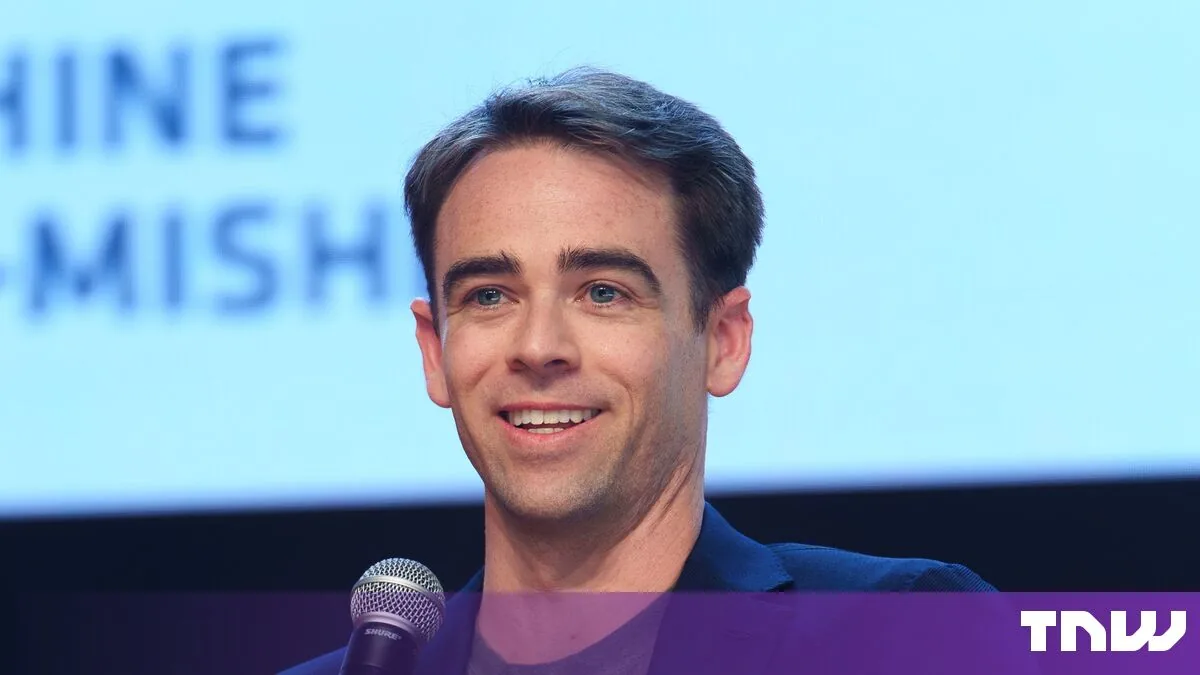
Theranos whistleblower Tyler Shultz says AI capabilities that a company does not have, or may never have, are not hard to fake. Speaking on The San Francisco Standard's PST podcast, he warned that investors face a real risk of backing another fraud amid the flood of money into AI. For business buyers and backers, the message is direct: surface demos no longer prove technology.
Why Shultz sees a new Theranos risk in AI
Shultz spoke to Theo Baker, who was sitting in for host Emily Dreyfuss. The interview coincided with renewed attention to Elizabeth Holmes through the film "You Can See Everything" by Nathan Fielder and Lance Oppenheim, which follows her last weeks before prison. Baker asked whether heavy AI funding raises the risk of another Theranos. Shultz answered that it is hard to distinguish something truly unique from what he called a ChatGPT wrapper.
He argued that anyone who wants to deceive people has a strong opportunity now, so investors need to keep their guard up. The days of a 30-minute coffee followed by a $100,000 check should be over, in his words. He described how Holmes scaled that loose model to $100m, which he called the biggest angel round of all time. On paper the Theranos investors were victims, yet he viewed them as enablers whose lack of due diligence gave her power she should never have had.
Shultz also addressed protections for employees who raise concerns inside AI companies. He said few laws govern AI, which makes whistleblowing difficult. The non-disclosure and non-disparagement agreements signed by many tech workers are overbearing and likely illegal, in his assessment. At Theranos he signed several frightening NDAs, believed he could not speak to a lawyer or regulator, and used a fake name and fake email address to contact regulators.
What this means for AI buyers and investors
For companies buying or funding AI, the practical shift is from trusting a demo to verifying the system behind it. Teams should ask for live tests on their own data, evidence of model ownership, integration limits, and customer references. Small firms without technical staff will need outside review before signing, while large firms can add AI checks to existing procurement and investment committees. A ChatGPT wrapper can still be useful, but it should be priced and secured as such.
Employee protections deserve separate attention during selection of vendors. Recent reports cited in the interview include a letter from twenty House Democrats to OpenAI about fired safety researchers, a Wall Street Journal report that OpenAI checked phones for Signal chats, and testimony by former lab insiders at a New York City hearing on AI. Buyers cannot resolve those disputes, but they can ask how a vendor handles safety concerns, model evaluation, and staff departures. Shultz noted that workers can approach regulators and lawyers, with some lawyers taking cases on contingency, and said he is working to make such resources easier to reach.
The marker to watch is whether funds and corporate buyers start publishing deeper technical diligence before large AI rounds and contracts. Shultz previously raised concerns inside Theranos with managers, executives and a regulator before helping a Wall Street Journal reporter, while Holmes and Ramesh "Sunny" Balwani received prison sentences of more than 11 years and nearly 13 years about three years ago. If investors continue to write large checks after brief meetings, the conditions he described will persist.
