
Democrat Gina Hinojosa's projected win in the Texas governor race on November 4, 2026 triggered an overnight selloff in AI infrastructure stocks. Nasdaq-100 futures fell 0.8%, more than double the drop in Dow Jones futures, while the State Street Technology Select Sector SPDR ETF lost 2% on Robinhood. The move matters because Texas holds 27% of planned US data-center gigawatts, so any permitting freeze directly affects national AI capacity plans.
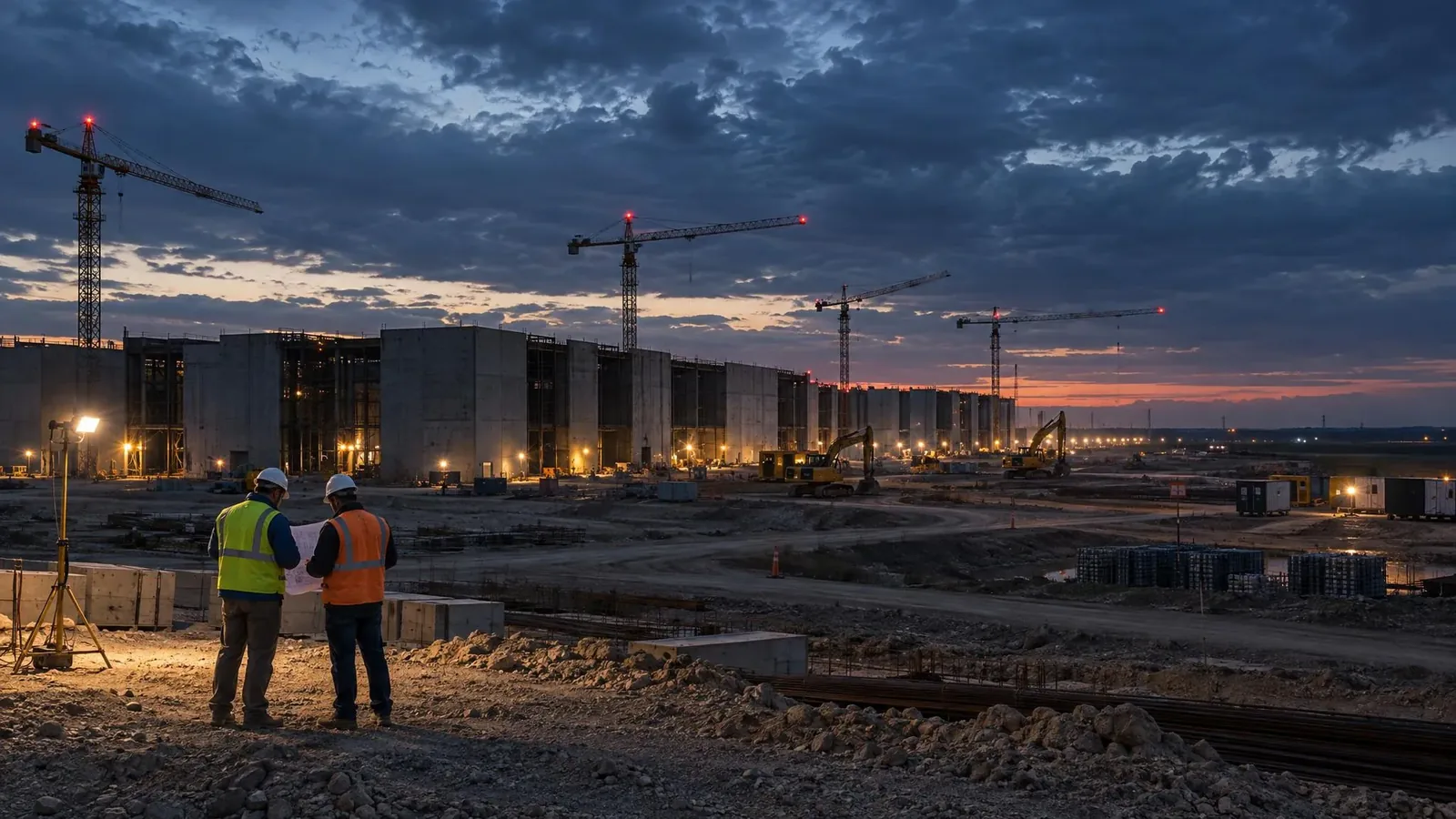
Hinojosa moratorium plan and market reaction
The sharpest declines hit companies tied to data-center construction. CoreWeave, which funds data-center builds with borrowed money, fell 7% on Robinhood. Texas-headquartered SpaceX dropped 6%, while Nebius Group and Oracle each lost 4%. The Associated Press projected Hinojosa to defeat incumbent Republican Governor Greg Abbott. In victory remarks published by her campaign, she said Abbott had called to congratulate her and that the transition would begin the next day, with the oath of office in January.
Her campaign platform calls for an immediate moratorium on data centers until the legislature enacts protections and gives local residents a role in deciding whether facilities enter their communities. It urged Abbott to halt new projects by executive order and to call a special session on the issue. The platform also criticized a 2015 law signed by Abbott that provided 20-year tax breaks to hyperscale data centers and demanded an end to such tax benefits. No moratorium has taken effect, and project rules remain unchanged for now.
The reaction reflects Texas weight in the development pipeline. CNBC cited Wells Fargo estimates putting Texas at 27% of planned US data-center gigawatts, against 7% for Georgia and 5% each for Ohio and Pennsylvania. Democrats were also projected to win or retain governorships in those three states. Horizon Investments chief investment officer Scott Ladner said an Abbott loss would raise the question of where to build data centers and warned Texas could cease to be favorable for them. Wells Fargo strategist Ohsung Kwon had called a Democratic Texas win a potential left-tail event for the AI trade.
What Texas risk means for AI infrastructure buyers
For companies planning AI capacity, the Texas result adds location risk to procurement. If approvals slow or tax treatment changes, projects concentrated in the state face longer timelines and higher costs for power, land and construction. Large operators with multi-state portfolios can shift new builds to Georgia, Ohio, Pennsylvania or other sites, though those states hold far smaller shares of planned gigawatts. Smaller firms tied to a single Texas site or contractor have less room to reroute and feel delays faster.
The limits of the signal deserve attention. The election itself did not enact a moratorium, and implementation depends on an executive order, a special session and future legislation. Tax terms, community approval procedures and the scope of any halt remain undefined. The overnight prices came from Robinhood and futures trading, not a full session, and arrived when the Nasdaq-100 was already in correction after October concerns about slower data-center spending by hyperscalers and private firms OpenAI and Anthropic. Buyers should ask vendors where capacity is sited, what permits are secured and how schedules change if Texas rules tighten.
The marker to watch is the transition agenda in Texas through January. An executive order, a special session call, or draft legislation on the moratorium, community consent and the 2015 tax breaks would show whether the campaign position becomes operating policy. Absent such steps, the selloff remains a pricing of political risk rather than a change in buildable capacity.
