
TechCrunch will hold Founder Summit 2026 on November 4 at SoWa Power Station in Boston in partnership with Fidelity Private Shares, bringing founders, investors and operators together for a full day on customers, teams, pitching and scaling. The program moves beyond fundraising and AI trends to founder leadership and growth outside traditional hubs. For companies building with AI, this matters because the agenda treats AI as an operating model, not a feature.
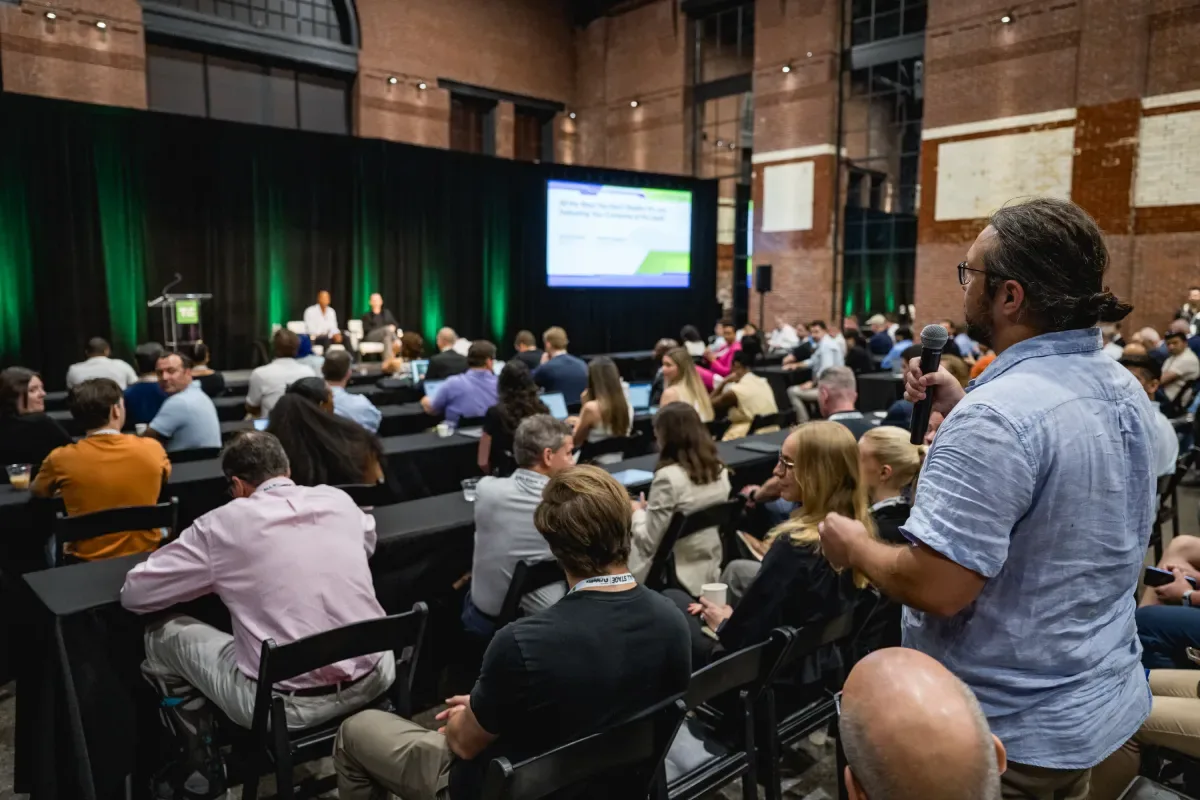
Program and speakers in Boston
Steve Fredette, president, co-founder and director of Toast, will speak on the Impact Stage in a session called "Building a Company That Keeps Reinventing Itself." Toast is presented as a Boston case study in finding a customer problem, reaching product-market fit and scaling into a public company. The conversation will focus on continued evolution as customer expectations, technology and markets change while staying connected to original customer needs.
Kent Bennett, partner at Bessemer Venture Partners, will lead "Finding Product Market Fit Before You Scale" on signals that customers are ready for growth before hiring, spending or accelerating go-to-market. Rudina Seseri, founder and managing partner of Glasswing Ventures, will continue the theme in "When to Scale and When to Hit the Brakes" on distinguishing acceleration moments from moments requiring restraint. Lior Div, CEO and co-founder of 7AI, will address "Built for AI From Day One" and the difference between adding AI to a process and designing company architecture around it.
The local dimension comes from Chase Garbarino, CEO and co-founder of HqO, with "The Boston Founder Playbook" on talent, customers, capital and community outside the Bay Area. Together with Fredette, his session gives the Summit a New England through line that ambitious firms can scale from Boston without copying Silicon Valley. The pitch block adds Dave Balter, venture partner at True Ventures and CEO of Edisyl, with "Your Pitch Has to Earn the Next Conversation," followed by live pitches at "So You Think You Can Pitch?" on the Build Stage with Chirag Shah of Define Ventures and Simran Suri of Maveron as judges.
What this means for AI companies
For small AI startups, the most usable part is the discipline around fit and timing before scaling sales and headcount. Bennett and Seseri frame growth as a sequence: verified customer signals first, then spend and hiring, with restraint treated as a protective business decision. In practice this affects hiring plans, burn rate and go-to-market calendars, where premature scaling locks in costs before retention and enterprise demand are clear.
For larger firms and enterprise sellers, relevant sessions cover distribution, teams and customer access. Hunter Worland of NEA will discuss distribution as a competitive advantage, Vineet Edupuganti of Cogent Security will discuss building 10x teams, and Tina Tosukhowong of TDK Ventures will discuss signals of category winners. Fidelity Private Shares adds Kristen Craft on fundraising trends and Evan Schnidman on enterprise relationships, alongside roundtables, networking and a closing reception.
The marker to watch is whether November 4 produces repeatable guidance on AI-native structure and enterprise traction rather than general fundraising advice. If founders leave with clearer tests for fit, timing of scale and pitch follow-ups, and later apply them in hiring and product decisions, the Summit will have confirmed its premise that building the company matters as much as raising the round.
