
TechCrunch Disrupt 2026 will host a session on physical bottlenecks of AI growth, with Ben Longmier, CEO of Ambrosia Energy, and Bill Thayer, SVP and Head of Datacenter Solutions at Bloom Energy, speaking on the Smart Systems Stage. The discussion titled "Where the AI Infrastructure Boom Is Creating Winners" is scheduled as part of an event opening at Moscone West on October 13 at 8 a. m. PT. The program lists more than 250 speakers and over 200 sessions, which makes infrastructure one of many tracks competing for founder attention.
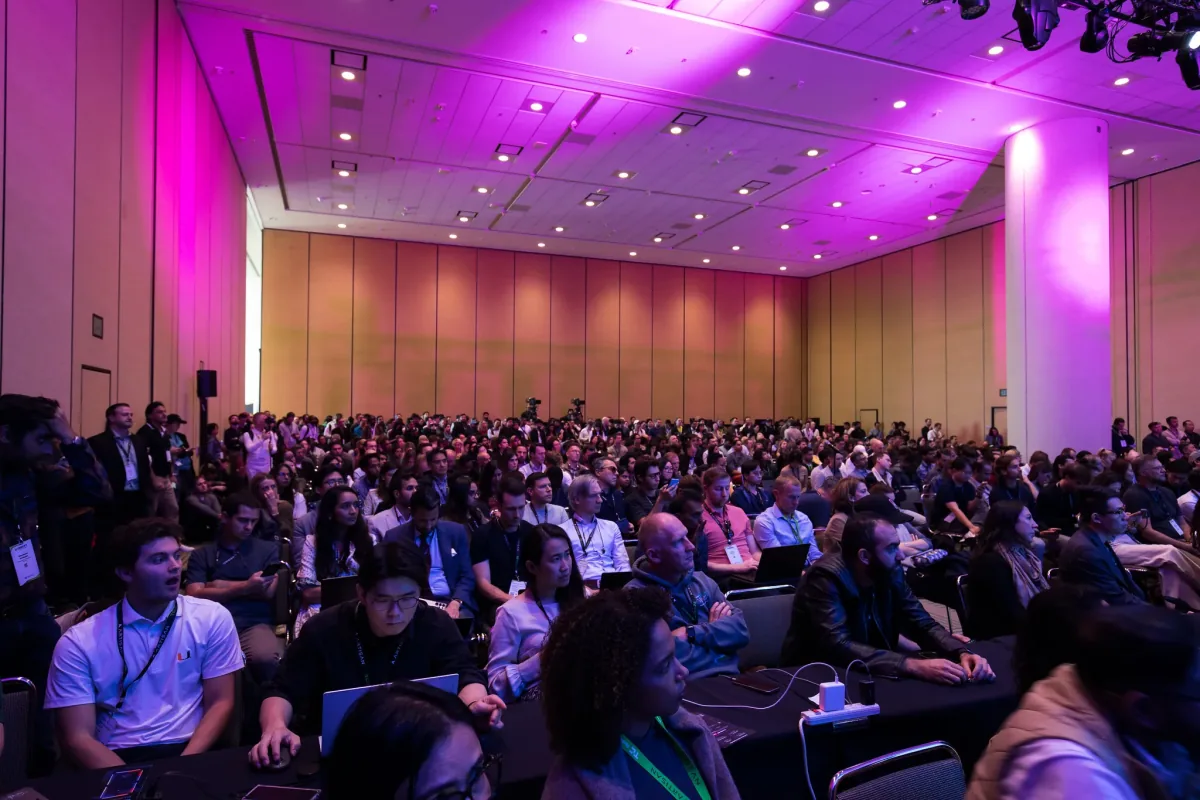
Session on winners of the infrastructure boom
Longmier and Thayer will appear together to examine which constraints in the AI stack are turning into lasting business openings. The announced focus includes power generation, grid connections, data centers, cooling, electrical equipment and operating systems that keep facilities running. Organizers frame the central issue as demand for compute growing faster than power and infrastructure delivery. The session will also ask which shortages are temporary and which could reshape the market for years.
The format is positioned as an industry conversation rather than a product presentation, built around market pressures beneath models, chips and applications. The speakers are expected to look at AI outside the software layer and assess what physical limits mean for founders, investors and companies planning further growth. Another stated theme is where spending is likely to persist and which parts of the stack genuinely need new solutions. The emphasis is on durable businesses rather than short-term demand spikes.
The event context underlines a shift in the AI debate from software capability to deployment capacity. The source material notes that every new model, agent and AI application needs somewhere to run and infrastructure connecting them. That physical stack now determines where and how AI can scale, alongside chips and software. The session description also points to infrastructure software and grid technology as areas where new categories without established names may form. For Disrupt, this frames energy and facilities as part of startup opportunity, not only enterprise operations.
What physical AI limits mean for business
For companies deploying AI, the practical consequence is that location, power availability and facility readiness affect project timelines as much as model choice. A business rolling out agents or data-intensive applications may face limits tied to grid connections, cooling capacity and electrical equipment supply. Larger organizations planning data center expansion need visibility into those lead times before committing to AI roadmaps. Smaller firms renting capacity feel the same pressure indirectly through price, availability and regional differences in hosting.
The limits of this discussion should be clear to decision makers evaluating vendors and projects. The announcement does not provide market figures, capacity forecasts, prices or technology comparisons, and it names no startups beyond the two represented companies. It also does not say which constraints will ease first or which solutions the speakers favor. Useful questions for providers therefore include delivery timelines, dependence on grid upgrades, cooling requirements and service terms during peak load. The session itself is a guide to where to look, not a buying recommendation.
A concrete marker to watch is what founders and investors do after the October 13 discussion at Moscone West. If energy, cooling, grid technology and infrastructure software start appearing more often in Disrupt startup presentations and funding announcements, the thesis of physical-world opportunity will gain weight. Continued capital flow into those segments would signal that constraints have become categories. Absence of such follow-through would suggest infrastructure remains an enterprise cost issue rather than a startup market.