Founders can build products and reach customers online more easily than before, yet more AI teams are choosing physical presence, Station F director Roxanne Varza and Anthropic executive Aiden Blake said at Wave by Vento in Turin. Station F now hosts 1,000 early-stage companies on site in Paris, and about two-thirds of its current AI batch came from outside France. The point for business is direct: trust with customers and other builders still forms faster in person.
Why founders return to shared space
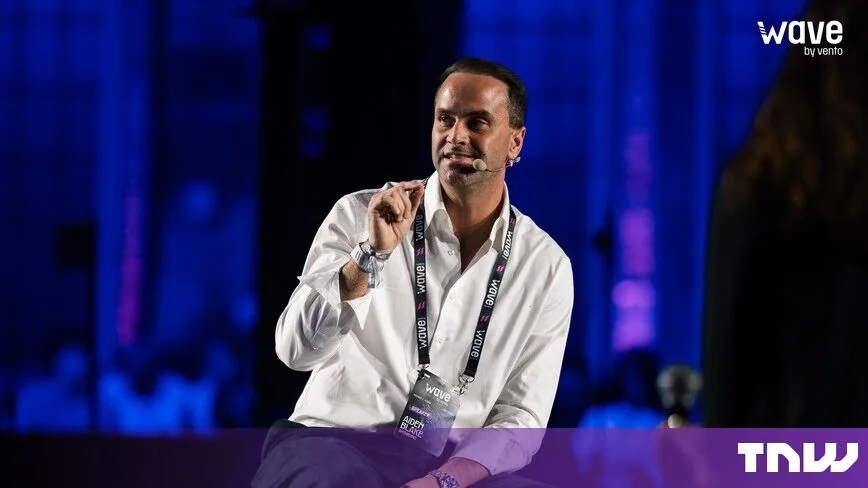
Varza and Blake spoke on a panel titled "The Power of Proximity", moderated by Charlie Perreau of Les Echos. Blake is head of startup sales for Europe, the Middle East and Africa at Anthropic. Varza said attendance at Station F has grown since the start of the AI boom, with many teams embracing co-location. Blake added that online building has never been easier, while real trust still happens face to face.
Station F launched F/ai, its programme for AI startups, in February. Partners include Anthropic, OpenAI, Mistral AI and Meta. Teams may work hybrid, but Varza said they must attend certain moments on site, or they lose momentum. The current batch includes teams from Asia, Stockholm, the UK and Poland. Around two-thirds of participants are non-French, which shows the pull of one physical hub.
Asked what proximity gives, Varza named people, information and serendipity together. Many founders in the building are repeat founders with large networks, and meeting them opens doors to hires, customers and partners. She said relationships cannot be engineered, only influenced, with much left to chance. Blake said builders at Anthropic events want peers with the same problems and founders further along, plus access to capital, pointing to Stockholm and Warsaw as emerging startup cities.
What physical presence means for AI companies
For small AI teams, shared space shortens the path to first customers, design partners and practical advice on model choice and product scope. A distributed team can ship code from anywhere, but negotiations, user interviews and joint debugging move faster side by side. Large companies gain a scouting channel: one visit to a hub with 1,000 teams replaces many separate calls. The trade-off is travel and time away from product work during programme weeks.
The limits are clear from the same discussion. Varza said a strong company can now be built from anywhere, so presence is an accelerator rather than a requirement. Blake cited ElevenLabs, which began fully remote and added offices as it grew, including one in Brussels last month. Dropbox shows the opposite choice: its new co-CEO said in August that remote work stays. Buyers of AI tools should therefore not read office presence as proof of quality.
The marker to watch is whether hybrid programmes with mandatory in-person stages keep drawing foreign teams and producing funded companies. Station F already reports international demand across Asia and several European markets, while Anthropic runs EMEA startup support from Dublin with 150 staff covering markets from South Africa to France and Germany. If attendance, partnerships with Anthropic, OpenAI, Mistral AI and Meta, and access to capital hold, proximity will stay part of AI startup strategy alongside remote work.