
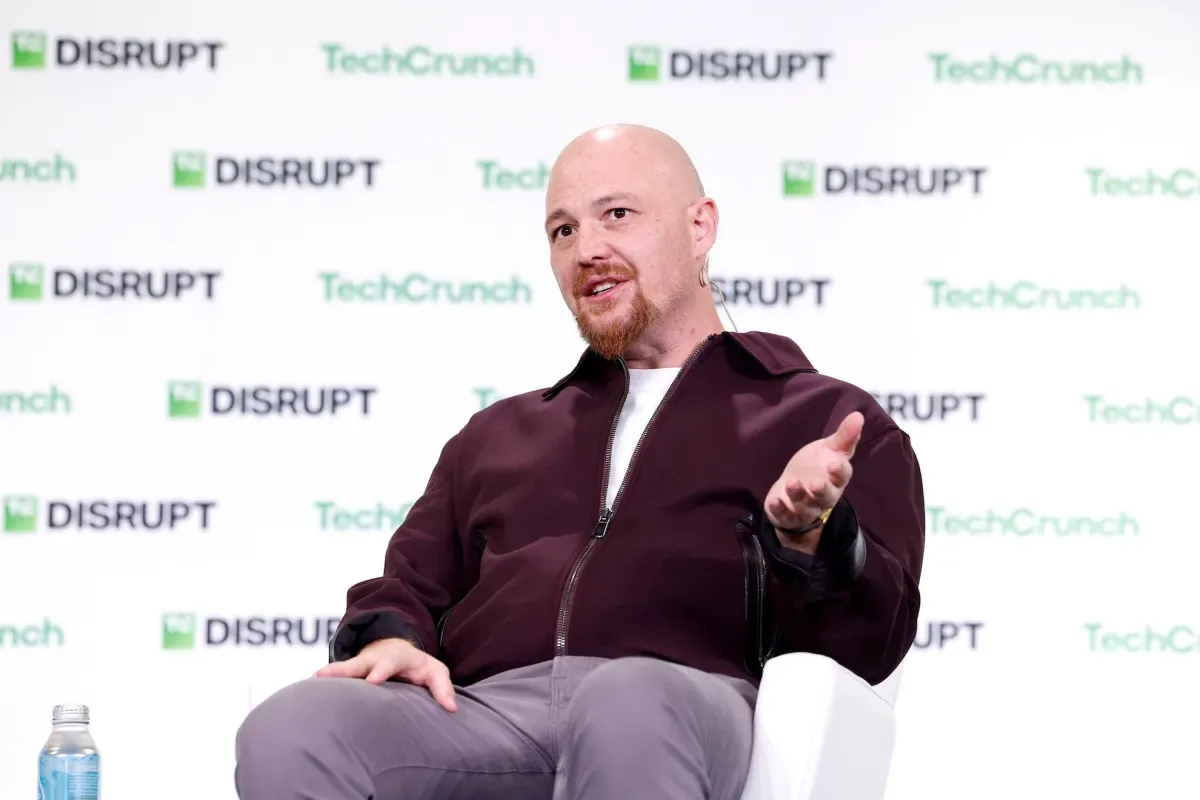
Replit is no longer working with Anthropic, CEO and co-founder Amjad Masad said onstage at TechCrunch Disrupt on Thursday. The AI coding platform previously ran on Claude models, and the partnership was credited with helping revenue growth. Masad named cost, partnership terms and performance as reasons for the shift, adding that ChatGPT is now better for Replit. The statement matters because model suppliers directly shape cost and quality of business coding tools.
Why Replit named cost and benchmarks
Masad said Replit announced a partnership with OpenAI in August, with no public signal at the time that work with Anthropic had stopped. He explained the current choice as based on cost, partnership and performance, and described OpenAI as a better partner for now. The company uses an internal benchmark to assess metrics such as performance and also publishes a public benchmark. According to Masad, its Sol and Astra systems consistently perform better at building vibe-coded applications from scratch. That framing links the supplier change to measured output rather than brand preference alone.
Replit sells a cloud-based software development platform where users develop and deploy applications directly from a browser. Under the earlier arrangement, Anthropic Claude models powered the platform. Replit Agent was described in a late September blog post as running Claude Fable 5 and Claude Fable 5.1 in its production environment. Around the same period, a Replit product employee posted on X about using the flagship Opus 5.5 model and promoting its capabilities. The contrast between those recent references and Masad statement explains why the announcement drew attention.
The account remains disputed. Insiders familiar with the Anthropic and Replit partnership rejected Masad comments, with one unnamed person saying the partnership was still in place. Evidence on the company website, blog posts and social media shows Anthropic products in use only weeks ago. TechCrunch said it asked Replit for clarification and would update the story after a response. For business readers, the key background is that supplier transitions in AI coding are rarely instant, with documentation, posts and production systems changing at different speeds.
What the supplier change means for customers
For companies building with Replit, a move from Claude to OpenAI-based models can affect output quality, task speed and subscription economics. Masad said enterprise rose from about 2% of revenue last year to about 15% this year, with more than 50% of revenue now coming from B2B contracts. That mix means corporate teams form a larger share of users affected by model behavior in prototyping and deployment. Small teams may notice differences first in vibe-coded applications built from scratch, while larger buyers will weigh stability across many projects.
The limits and risks center on verification before committing workflows to one model family. Replit has not shared ARR figures, so the revenue effect of the partnership change cannot be quantified from the source. The continued presence of Anthropic model names in recent materials leaves open which environments still use them and for how long. Buyers should ask which models run a given workspace, how performance is measured on their own tasks, and how pricing changes if the underlying supplier changes. This news alone does not prove long-term superiority of one provider.
Masad also tied safe deployment to agent infrastructure, saying agents need a habitat with orchestration, error recovery, safety, sandboxing, networking, identity and authorization. A useful marker will be Replit clarification on the Anthropic status plus updated documentation showing which models power Replit Agent in production. If OpenAI models remain the stated default and enterprise share keeps rising, the shift will look durable for business use. If Anthropic references persist, customers will need explicit version control.
