
Pope Leo XIV called on Friday for artificial intelligence to be disarmed, urging states meeting in Geneva in November to move toward a ban on lethal autonomous weapons. Decisions on human life, freedom and the use of force must remain under human oversight, he said in an address published by the Vatican. The appeal was delivered in the Consistory Hall of the Apostolic Palace to participants in a meeting on the future of AI. For business, this adds moral and regulatory pressure to the debate on military and security uses of automation.
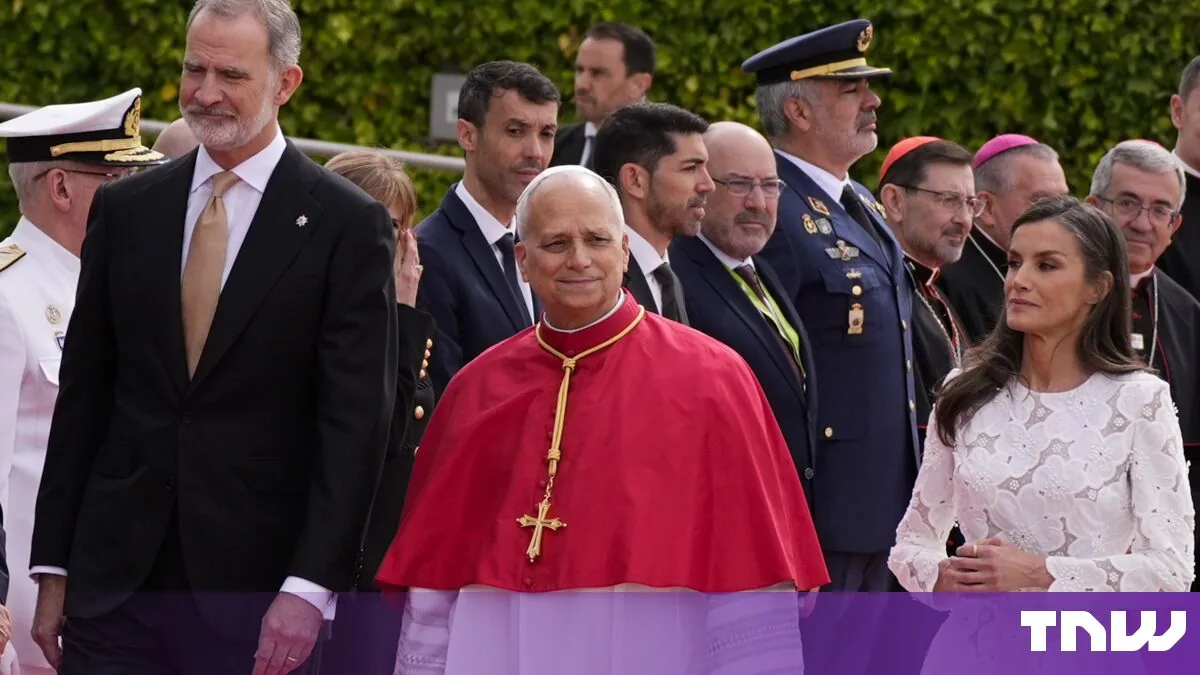
Five points on AI control and Geneva process
The address was given to an audience taking part in a joint meeting organized by the Pontifical Academy for Life and the Future of Life Institute. The pope set out five points, each citing Magnifica Humanitas, the AI encyclical he published in May. States discuss lethal autonomous weapons under the UN Convention on Certain Conventional Weapons, whose Seventh Review Conference meets in Geneva from 16 to 20 November, according to Reaching Critical Will. The timing links the Vatican statement directly to that negotiation track.
The first point frames AI development as a matter of human choice, with a duty to guide, change and, when necessary, reject its uses. The pope asked not what AI can do, but what purpose it should serve. He warned that treating AI as a race to be won risks forgetting people left behind. A reliable system serving people, he said, counts for more than a very powerful one whose effects cannot be foreseen or controlled.
The second and third points draw boundaries for delegation. Machines are tools, not persons, and proposals to grant AI systems rights or legal personhood should be rejected, the pope said, because such a step would obscure human responsibility and leave harmed people facing a faceless entity. People must never hand certain decisions to machines, with a target list and a border control database given as examples. A person entered in either risks becoming a mere data point.
What the Vatican stance means for business
For companies building or buying AI, the fourth and fifth points carry operational weight. AI must serve the common good rather than the interests of a privileged few, the pope said. He added that ethical principles are already widely known, while effective international bodies to apply them are missing. Shared standards, independent oversight and clear accountability mechanisms are required, in his formulation.
The limits of consensus are also visible. Pope Leo has made the case before, calling AI-directed warfare a spiral of annihilation in May and saying in September that AI safety fears were not fake news. He also recalled Pope Francis telling the G7 in 2024 that no machine should ever choose to take a human life. Not everyone in the industry agrees, with Mistral chief executive Arthur Mensch having rebutted the pope on AI in warfare.
The marker to watch is the Geneva session on 16-20 November under the Convention on Certain Conventional Weapons. Any language on definitions, prohibitions or review procedures for lethal autonomous weapons will show whether the call for a ban gains legal form. For corporate risk planning, that outcome will shape compliance expectations around autonomous targeting, human oversight and export controls.
