
Omar Hamdi, chief executive of London-listed Pathos Communications, says falling agency spending in the UK is a test of PR economics rather than its end. City A. M. reported on 6 October that the share of UK firms spending on PR and consultants fell to 4.2% in September, while overall business spending rose 3.1% year on year and spending on AI services grew fast. For business owners, the issue is whether agencies can deliver consistent results at workable prices and margins.
How Pathos links software to PR delivery
Pathos published results for the six months ended 30 June 2026 on 9 September, with revenue up 14% and adjusted EBITDA up 36%. Customer cash receipts rose 80%, while repeat and reoccurring customers accounted for 36% of revenue, against 16% a year earlier. Proactive Investors reported that higher revenue, improved operating leverage and lower bad debt charges supported profitability. Pressella, its AI virtual publicist, and PathosMind remain on track for general availability in the first half of 2027.
Hamdi describes a model where software handles preparation, targeting and business development, while staff keep responsibility for relationships and judgement. Before first contact, the technology analyses news, suggests hooks and article ideas, and prepares materials for the human conversation. By the time a meeting happens, the team can have article drafts, business cases and current news hooks ready. In delivery, Pathos uses algorithmic matching between client stories and publishers to raise the chance that content succeeds.
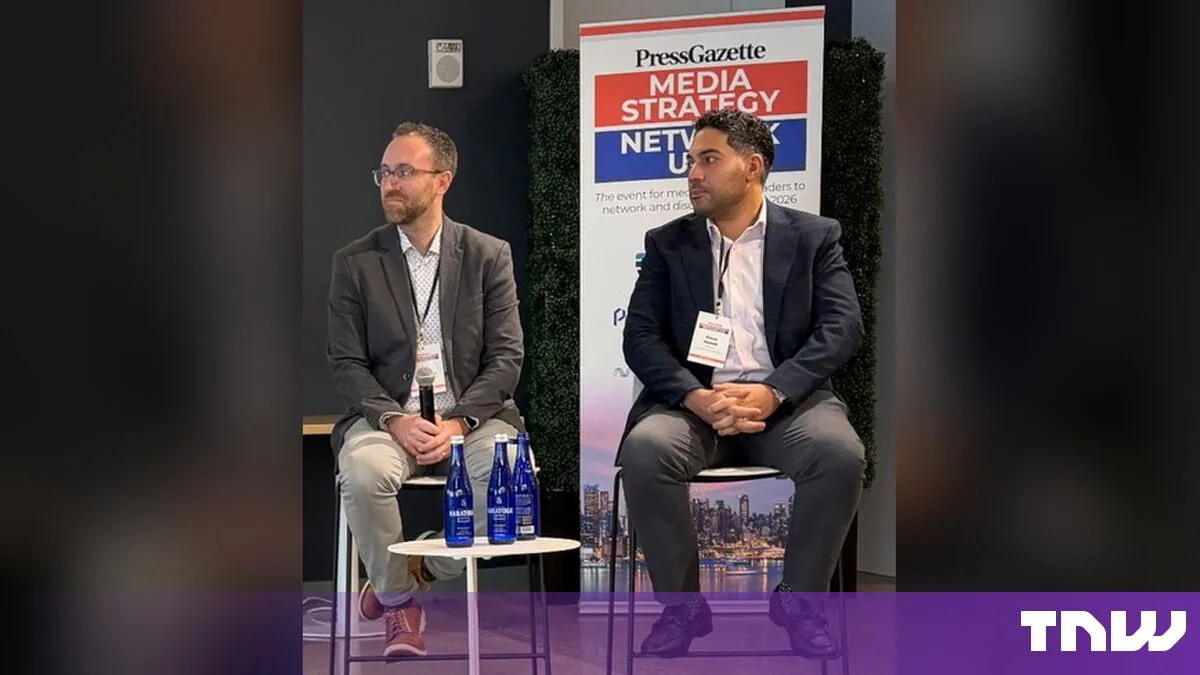
The City A. M. figures sit inside a wider shift in how companies allocate budgets as AI tools spread. Spending on AI services is rising rapidly even as the share of firms buying PR and management consulting declines. Hamdi spoke on a panel at Press Gazette Media Strategy Network USA in New York in March 2026, and later discussed repeat revenue and plans for a sustainable listed business. Yahoo Finance reported on 15 October that he linked those plans to the first-half 2027 launch of the AI-powered virtual publicist.
What this model means for buyers of PR
For companies that buy communications support, the practical change is preparation arriving before the first paid conversation. Prospects sometimes react to outreach as if work has already started, with one quoted response: "I feel like you are already my PR firm." Hamdi says clients described receiving work comparable to a day spent by an experienced PR specialist before the first meeting. Small firms with limited time or budget could test serious PR without committing to a conventional agency retainer from the start.
For larger buyers, the consequence is different and depends on publisher strength and repeatability. Hamdi says Pathos is adding larger and stronger publishers to its platform, which can support better margins with those publishers. He also points to technology helping with lead generation, lead nurturing and onboarding, plus faster internal velocity. Buyers should still verify placement quality, relevance of matching, timelines for Pressella and PathosMind, and how human review applies to drafts and outreach.
The marker to watch is general availability of Pressella and PathosMind in the first half of 2027. If repeat and reoccurring revenue keeps rising alongside cash receipts, the claim of a technology company with a service layer gains weight. If not, it remains a services business using AI tools. The next half-year results will show which description fits.
