
Otter. ai has raised $320 million from General Catalyst's Customer Value Fund to fund enterprise growth, international expansion and product development. The structure is notable because the fund provides capital without diluting equity and earns returns tied to marketing spend. The deal follows a year in which Otter crossed $100 million in annual recurring revenue. For business users, it signals that meeting capture is moving from transcription toward workflow automation.
Structure of the deal and Otter's current scale
The financing was announced on Tuesday as growth capital for go-to-market strategy, enterprise expansion and product innovation. Unlike a priced equity round, Customer Value Fund capital is linked to customer acquisition spending, which lets a late-stage startup scale sales and marketing while existing shareholders avoid immediate dilution. Otter had previously raised $50 million in total funding, with its last round recorded in 2021, according to PitchBook data. The new $320 million amount is therefore more than six times all prior venture funding combined.
The company reports 40 million users to date, up from 25 million last year, a 60% increase in cumulative registered users. It crossed $100 million in annual recurring revenue last year and says it is approaching new milestones, although it did not disclose updated revenue figures. It also did not disclose monthly active users or churn, which leaves retention unclear in a crowded category. That gap matters because cumulative registrations alone do not show how many teams use the product every week.
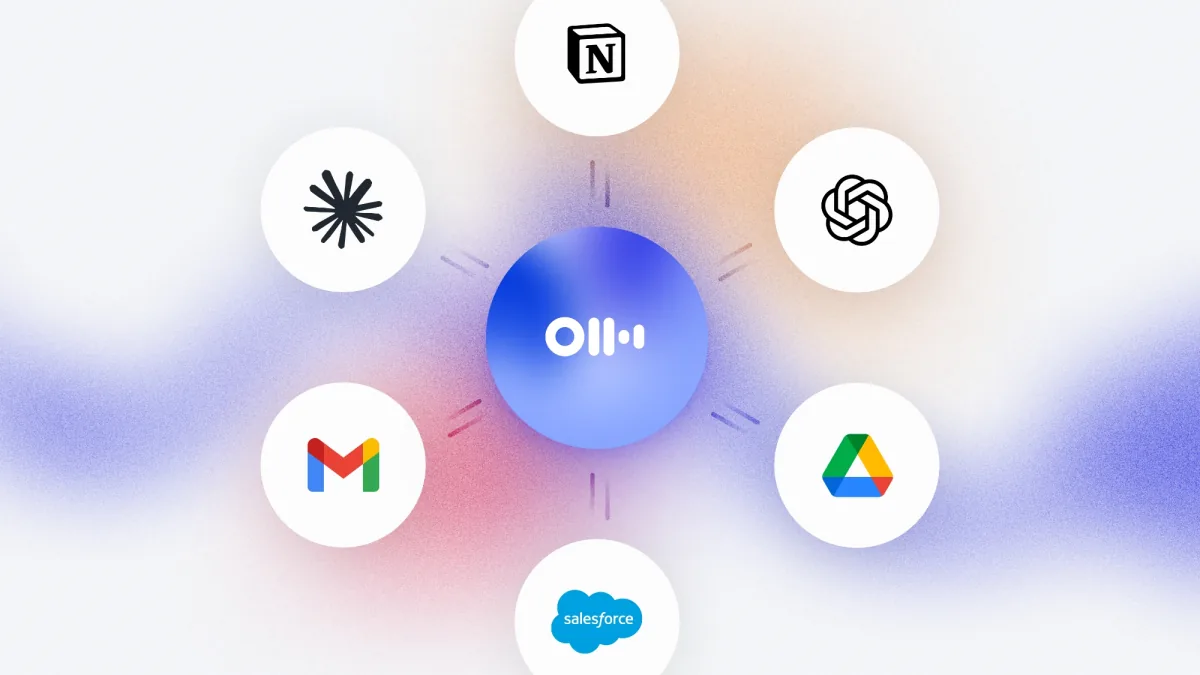
Competition includes well-funded rivals such as Fireflies. ai, Granola and Read AI, alongside newer entrants including Calendly, Wispr and Superhuman, which acquired Fathom. Other products named in the market include Circleback, Talat and Quill. Most vendors share the same direction: connect meeting data to enterprise systems and automate follow-up work. Otter has added a meeting assistant, search across apps and integrations with other AI tools. The contest is therefore shifting from accuracy of notes to depth of integrations and quality of follow-through.
What this means for meeting-heavy teams
For companies with back-to-back meetings, the practical change is less time spent on recaps and note distribution. Otter is testing a pre-brief that pulls background and context from prior conversations across different surfaces before a call starts. It is also testing Live Assist, which lets participants ask the AI assistant questions during a meeting. New chief marketing officer Alex Gay, who joined from Superhuman, described the core pain as sales and customer teams spending the first twenty minutes of calls catching up on prior discussion. If pre-briefs work reliably, preparation becomes a generated packet rather than manual search.
The second consequence concerns buying decisions and vendor consolidation. General Catalyst partner Pranav Singhvi framed voice as an untapped enterprise AI opportunity, arguing that captured voice data can sharpen decisions and compound productivity. That logic favors platforms that store history across meetings and make it searchable across apps. Small firms may gain a cheap way to document client work and keep follow-ups consistent without hiring operations support. Large firms will need to compare data retention, access controls, CRM and ticketing integrations, and how transcripts flow into systems of record.
The marker to watch is whether Otter converts funding for go-to-market into disclosed enterprise traction and retention metrics. Useful evidence would be updated ARR above $100 million, named enterprise expansions, or published monthly active use and churn. A second signal is general availability of pre-brief and Live Assist beyond testing, with details on data sources and permissions. If those features ship broadly and enterprise revenue follows, meeting tools will be judged as workflow infrastructure rather than transcription utilities.
