
OpenAI is preparing a public campaign for the period after the U. S. midterm elections on Tuesday, with one element being a new term for data centers: "AI compute campuses". Chief global affairs officer Chris Lehane outlined the plans to Axios, linking them to expectations that Democrats retake the House and possibly the Senate. The move matters because local opposition to data centers has become a political factor that shapes permits, costs and timelines for AI infrastructure.
Post-midterm campaign and proposed terminology
According to Axios, the campaign is described inside OpenAI as a PR blitz timed for after the vote. Lehane called the midterms a movie trailer for 2028, when he expects AI to become the central issue of the presidential election. The timing connects corporate communication to the election calendar rather than to a product launch. That framing positions the next two years as a period for shaping rules and public expectations around AI deployment.
The package discussed by Lehane includes several proposals beyond terminology. OpenAI intends to promote the development of AI speed limits, to present AI as a tool that gives people more control in daily life, and to support a U. S. role in developing global standards. The rebranding of data centers sits alongside those policy points. The combination suggests a shift from defending individual projects to proposing broader terms for discussion.
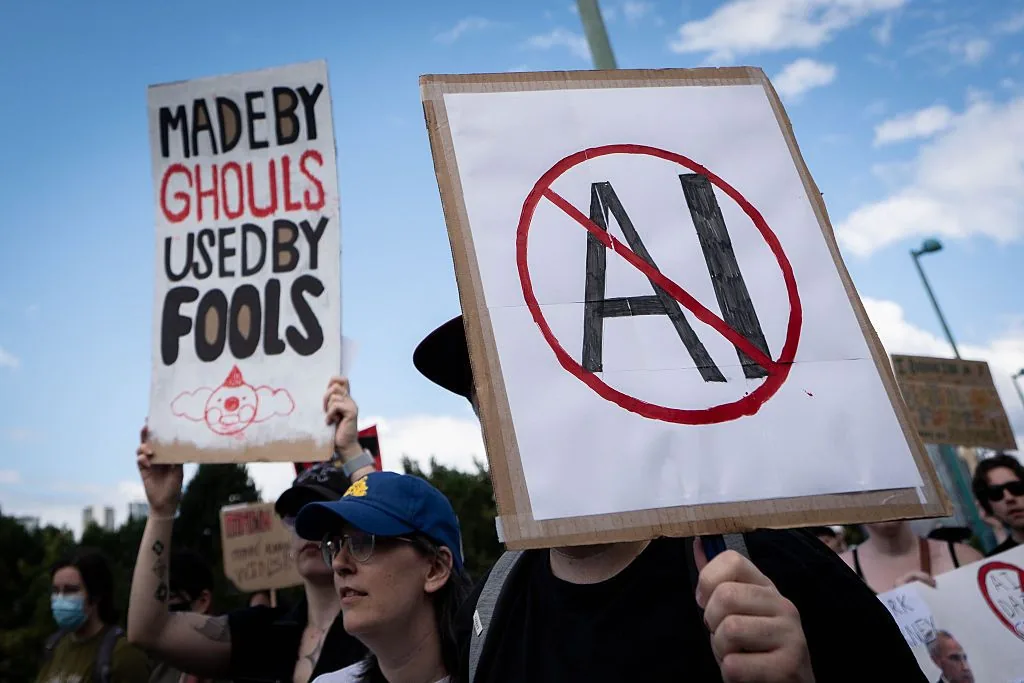
The background is growing resistance to data centers in local communities. Amazon and Microsoft have already said they will no longer use NDAs in negotiations with local governments, a response to criticism about closed deals. Lehane described the current debate around data centers as good and healthy. He added that communities should hold companies responsible so projects deliver a transformative benefit, which acknowledges that approval now depends on visible local returns.
What the debate means for AI infrastructure buyers
For companies that rent AI capacity or build on hosted models, the dispute over sites translates into practical exposure. Permitting delays, power constraints and community agreements can affect where capacity appears and how quickly it scales. A change in language alone does not add megawatts or shorten grid connections. Small firms will feel this through availability and pricing of cloud GPU resources, while large firms with direct site negotiations will face longer approval work.
The proposals also carry limits that buyers should read carefully. Speed limits for AI remain an undefined concept in the source material, with no stated metrics, enforcement mechanism or scope. The pledge of transformative local benefit has no fixed definition either, and global standards depend on governments rather than vendors. This news does not mean that data center construction becomes faster or that operating costs fall. Questions to vendors concern committed capacity dates, power supply terms and disclosure practices in local talks.
A marker to watch is what OpenAI publishes after Tuesday: specific definitions for speed limits, standards proposals and community benefit commitments. If those documents contain timelines, measurement criteria and named partners, the campaign will have moved from terminology to negotiable terms. That distinction will determine whether infrastructure planning becomes more predictable for business users.
