
OpenAI reported on November 4, 2026 that a prototype pipeline built around an upcoming cyber model found 948 unique local privilege escalation vulnerabilities in Linux during a mid-October research run. Each flaw could potentially give an unprivileged local user root access, and each completed bundle included root-cause analysis, a crashing proof of concept, a candidate patch and a full exploit. The result matters because it tests automated vulnerability research against more than 40 million lines of code behind Android, cloud infrastructure and supercomputers.
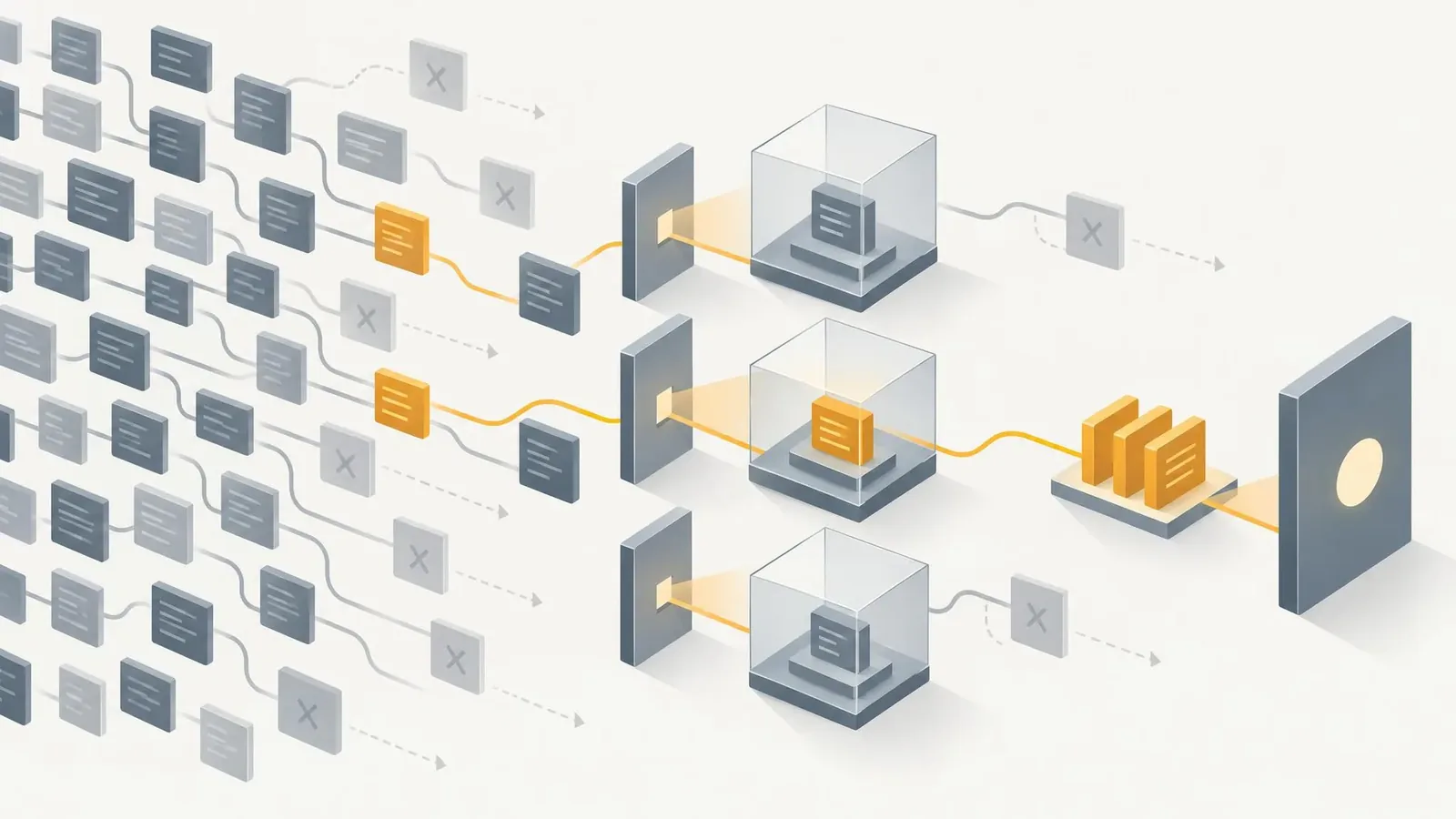
How the mid-October Linux scan was organized
Testing ran in isolated virtual machines with a stock desktop operating system and protections including SMEP, SMAP, KASLR and HARDENED_USERCOPY enabled. The target was not deliberately weakened, which makes reproduction closer to real deployment conditions. Scout agents selected audit targets by reachability from low-privileged users and security relevance, then Analyst agents scanned the selected code. Triage agents generated and refined proofs of concept inside virtual machines running kernels with Kernel Address Sanitizer, preserving runtime evidence.
Scouts selected 5,034 audit targets covering about 2.8 million lines, roughly 7% of the kernel. Analysts produced 2,308 deduplicated candidate findings within 12 hours, and dynamic validation reproduced 1,724 vulnerabilities within 30 hours. Findings that did not reproduce generally required elevated privileges or exceeded the time budget, while only 3.1% reflected incorrect model analysis. The exploit stage then produced 291 information-leak proofs of concept and 1,169 working local privilege escalation exploits.
Variant analysis reduced that raw exploit count to 948 distinct patches, and OpenAI uses the patch count as the number of unique vulnerabilities. The fixes remain candidates for maintainer review, not merged patches. OpenAI has sent hundreds of reports and patches for critical issues and plans to distribute the remainder gradually with Patch the Planet partners. Disclosure follows the Daybreak initiative introduced with Trail of Bits on June 22, 2026, under which maintainers retain control over patch deployment.
What automated kernel research means for business
For companies running Linux in servers, cloud workloads, containers and embedded systems, the practical change is faster supply of validated findings with proposed fixes rather than abstract warnings. A large organization with a dedicated kernel or platform team can triage hundreds of reports, revalidate them against its own builds and prioritize patching by exposure of low-privileged accounts. A smaller company without such capacity will depend more on upstream distributions, cloud providers and managed detection, since it cannot review that volume directly.
The same run shows limits that buyers of security automation should verify before changing processes. After the ten-day scan and manual analysis, 61 findings were already patched upstream, 43 had staging patches and 299 were publicly reported or discussed, so revalidation against current code is required. An early run also showed 20 of 200 reported exploits reaching root through a different flaw than assigned, which led to tighter task constraints and an independent path check. Early patches could add unnecessary code, performance tradeoffs or incomplete variant coverage.
The marker to watch is how many of the 948 candidate patches maintainers accept after review and how quickly distributions ship them. A second signal is cost per validated flaw: the October run cost $1.213 million in API credits, or $1,279 per unique flaw, against $513,690 and 166 flaws for a late-July GPT-5.6 Sol run. If acceptance rates stay high while cost per confirmed flaw falls, automated kernel research will function as defensive capacity rather than extra triage load.
