
OpenAI appointed former Secretary of the Army Dan Driscoll as Senior Counselor for National Security Modernization on November 2, 2026. The newly created post covers national security, cybersecurity and cooperation with U. S. allies. Driscoll will advise senior leadership and external partners on practical uses of advanced AI. The move matters because it creates a direct link between government operational needs and OpenAI product teams.
New counselor role and Daybreak defense stack
Driscoll will work with OpenAI teams and leaders across governments, industry, academia and allied institutions on modernization initiatives. He will also help internal teams understand operational needs of national-security institutions around the world. His remit includes advising public- and private-sector partners on policy and strategy changes for practical national-security uses of AI. Sam Altman said the appointment would strengthen American leadership and support cooperation to spread adoption of democratic AI.
Driscoll was the 26th Secretary of the United States Army, responsible for operations, modernization and resources. His oversight covered nearly one million Active, Guard and Reserve soldiers and more than 265,000 Army civilians. His transformation work focused on fielding new technology faster, reforming acquisition and building a more capable force. His background also spans law and the private sector, plus service as Acting Director of ATF and earlier duty as an Army officer.
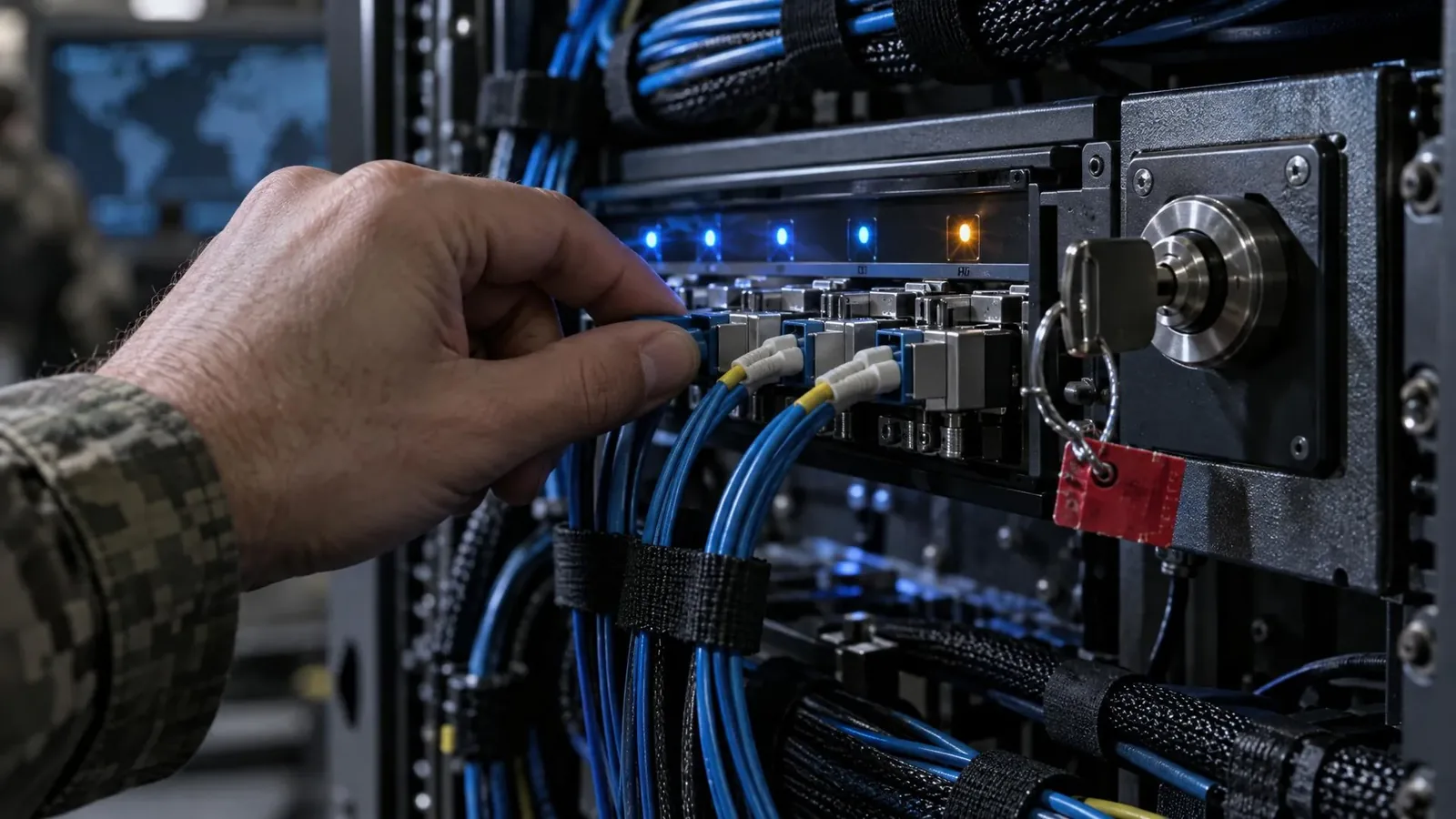
The appointment builds on OpenAI work with allies to strengthen cyber resilience and protect essential services through Daybreak. The program combines frontier models, the Codex harness, Codex Security, trusted workflows and ecosystem partners in a governed cyber-defense stack. Trusted access and action remain under human control. OpenAI described Driscoll as connecting government requirements, allied cooperation and external policy advice with internal teams.
What the hire means for regulated organizations
Daybreak runs as a closed defensive loop: inventory, discovery, dynamic validation, ownership assignment, verified remediation and proof. Shared system context carries maps, ownership, investigation evidence and established checks between passes. Later work then focuses on changes and unresolved risks instead of starting over. For companies, this model means vulnerability work becomes continuous, with ownership fixed and evidence preserved across cycles.
OpenAI is committing $1 billion in subsidized Daybreak access over six months. State and local governments, critical-infrastructure operators, community banks, nonprofits and open-source maintainers can register interest in support to find, prioritize and fix vulnerabilities. For small operators, this lowers the entry cost to governed AI-assisted defense. For large firms, the test is integration: people review consequential changes and independently verify deployed fixes.
The marker to watch is registration and deployment under Daybreak during the six-month subsidized window. If critical-infrastructure operators and local governments convert interest into verified remediations with human control intact, the modernization agenda gains a working proof. Driscoll framed the goal as cutting paperwork, making sense of more information and getting answers to personnel faster. Failure to show documented fixes would leave the role as policy advice only.
