
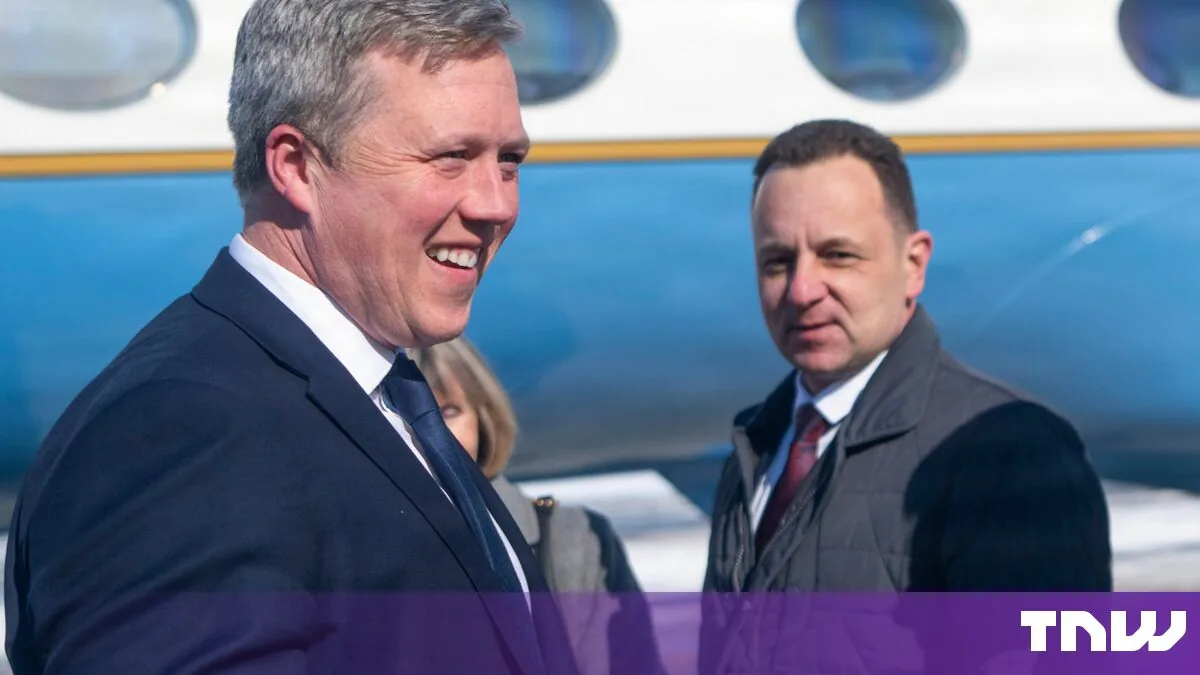
Hiring a former service secretary signals that defense work is becoming a core business line for model providers. OpenAI said on Monday it had hired Dan Driscoll, the 26th Secretary of the US Army, as senior counselor for national security modernization. He will advise on how advanced AI can strengthen national and cyber security and help US allies use the technology responsibly. For commercial buyers, the move matters because defense requirements now shape model safety, deployment rules, and infrastructure priorities.
Driscoll mandate and OpenAI defense footprint
Driscoll will work with OpenAI leaders and outside partners, while also helping internal teams understand what national security institutions need. OpenAI framed the appointment as an extension of Daybreak, its cyber resilience programme run with allies and partners. The company has opened Daybreak to Ukraine and pitched it to utilities in the United States. That detail shows two tracks at once: support for an allied state under attack and outreach to domestic critical infrastructure operators.
The remit described in the announcement centers on practical administrative gains inside security organizations. Driscoll said AI would help staff cut through paperwork, make sense of larger volumes of information, and get answers faster. He also said national security requirements are changing faster than at any time in the past fifty years. The mechanism is therefore less about autonomous weapons and more about processing documents, fusing data, and shortening decision cycles under existing chains of command.
The hire follows a period of friction inside the Pentagon and intensifying competition among labs for defense contracts. Driscoll left the Pentagon in September after months of tension with Defense Secretary Pete Hegseth, as reported by The Wall Street Journal. He is a former Army officer and a law-school classmate of Vice President JD Vance, according to the same reporting. In February, OpenAI agreed to deploy its models on the Defense Department classified network after rival Anthropic relationship with the Pentagon broke down, as reported by Bloomberg, with Anthropic still contesting its case in court.
What defense AI contracts mean for business
For large enterprises, especially in energy, telecoms, logistics, and finance, closer ties between labs and governments change procurement and compliance expectations. Classified-network deployment and programmes such as Daybreak push vendors toward stricter access controls, audit trails, and sovereign hosting options. A small software firm may simply inherit these controls through an API update, while a utility or defense supplier will face questionnaires, personnel checks, and data-residency clauses. Vendor choice starts to depend on who can document secure handling, not only on benchmark scores.
The limits are equally important for planning. OpenAI disclosed the title, advisory scope, and link to Daybreak, but not contract values, performance targets, deployment timelines, or evaluation criteria for allied use. The statement from chief executive Sam Altman about spreading adoption of democratic AI describes intent rather than a measurable commitment. Buyers should therefore ask what data stays inside their boundary, which model version runs on classified or regulated systems, how updates are approved, and what happens when a lab changes policy or loses a government dispute.
The marker to watch is whether Daybreak moves from pilots and pitches to standing agreements with named utilities and allied agencies. A second signal is sustained operation of OpenAI models on Defense Department classified systems with published security reviews. If both appear, defense-grade deployment patterns will migrate faster into civilian critical infrastructure and regulated industries.
