
Data centers in the US consume 17 to 19 billion gallons of water per year to cool chips, a volume expected to triple within five years. Omen AI, founded in 2024 to replace slow laboratory testing of cooling fluids with real-time sensing, is acquiring competitor Aquatic Labs in a $16 million cash-and-stock deal. The combination matters for business because cooling failures force operators to dump fluid and halt operations that support hardware worth billions of dollars.
How the $16M sensor combination came together
Omen AI raised a $31 million Series A in June before moving to acquire Aquatic Labs. Founder Zach Laberge met Aquatic Labs CEO Allan Adams through an investor active in the filtration space, which led to the transaction. Both startups were developing real-time water sensors with different focus areas, making the pairing a fit rather than a duplication of effort. The price reflects a consolidation of two early teams working on the same bottleneck in data center operations.
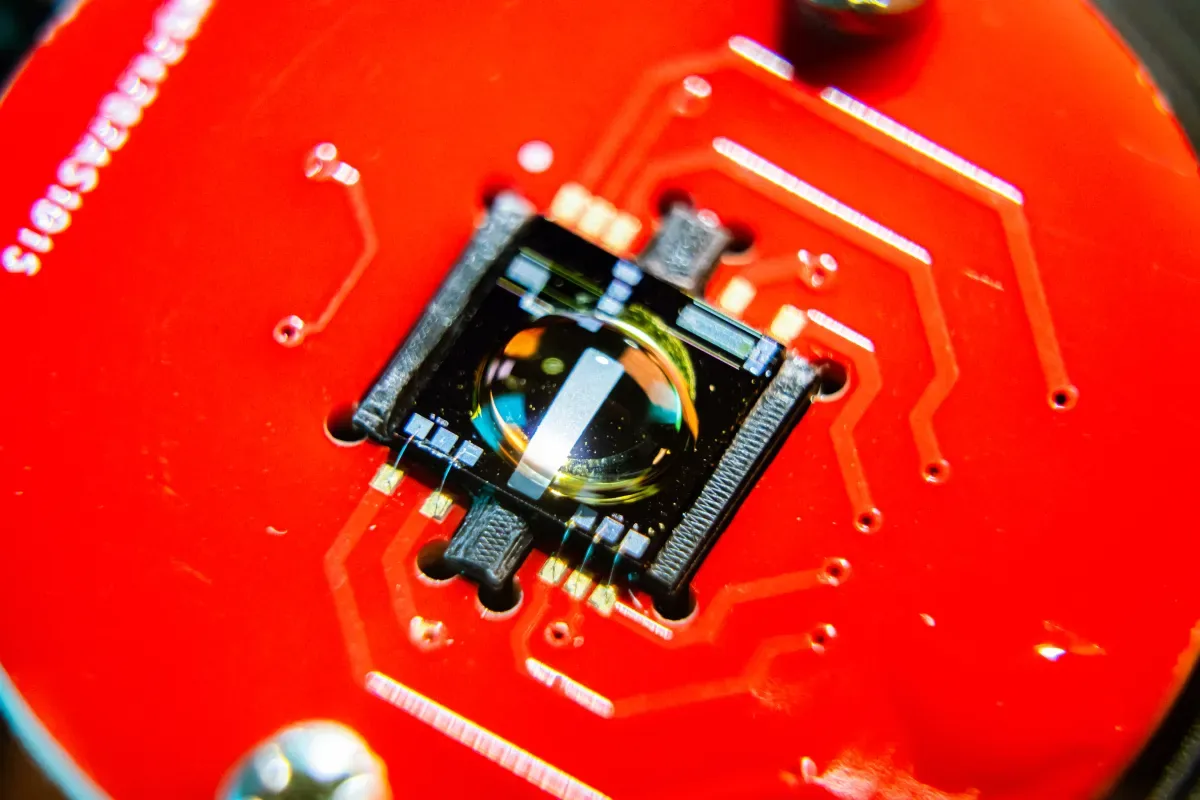
Omen sensors were designed to detect elements in the water, while the Aquatic Labs sensor tests alkalinity. Placed in a single device, the two measurements give a fuller picture of water and fluid condition, according to Adams. The joint team now plans to integrate both technologies into one sensor for market release by early next year. Adams will continue inside the combined company as chief science officer, keeping research leadership tied to product development.
The background is a rapid expansion of AI infrastructure, once estimated at as much as $4 trillion in spending by 2030. That buildout has recently drawn skepticism from some investors, with hyperscaler stocks falling in recent days. Omen positions itself after construction, serving facilities already built or financed about 12 months ago. Laberge described the addressable demand as the biggest market in human history even if reduced by half, signaling limited exposure to short-term sentiment swings.
What combined fluid monitoring means for operators
For companies running AI capacity, the direct effect is longer fluid life and fewer unplanned shutdowns. Today operators often dump cooling water when chemistry moves outside safe bounds rather than risk damage to costly chips. Omen expects its initial sensors to monitor chips drawing 250 to 300 MW of power by the end of the year, hardware worth about $5 to $7 billion. The target of coverage equivalent to 1 GW of chips by the end of 2027 shows how monitoring scales with power density.
The approach still requires verification around integration, accuracy, and deployment timelines. Buyers should ask when the unified element-plus-alkalinity sensor will ship, which cooling systems it supports, and how readings trigger maintenance decisions. The acquisition alone does not prove that valve failures or bacterial growth will be caught early in every installation. Questions about calibration, false alarms, and service responsibility remain central to procurement.
The marker to watch is whether the integrated sensor reaches the market by early next year and moves toward the 1 GW coverage goal by the end of 2027. Delivery on that schedule would confirm that real-time fluid data can reduce water use and downtime at scale. A delay would suggest that combining two sensing methods is harder than combining two teams.
