
Local AI on a Windows laptop becomes a retail product on Oct. 16, when NVIDIA and its partners start RTX Spark with hands-on launch events around the world. The machine is positioned for creators, gamers and AI agents running on the device itself. NVIDIA frames the moment as a new beginning for Windows PCs and invites users to share first-PC stories under. That combination of product launch, partner demos and community campaign matters because it tests demand for local AI workflows outside the cloud.
Launch date, events and first reviews
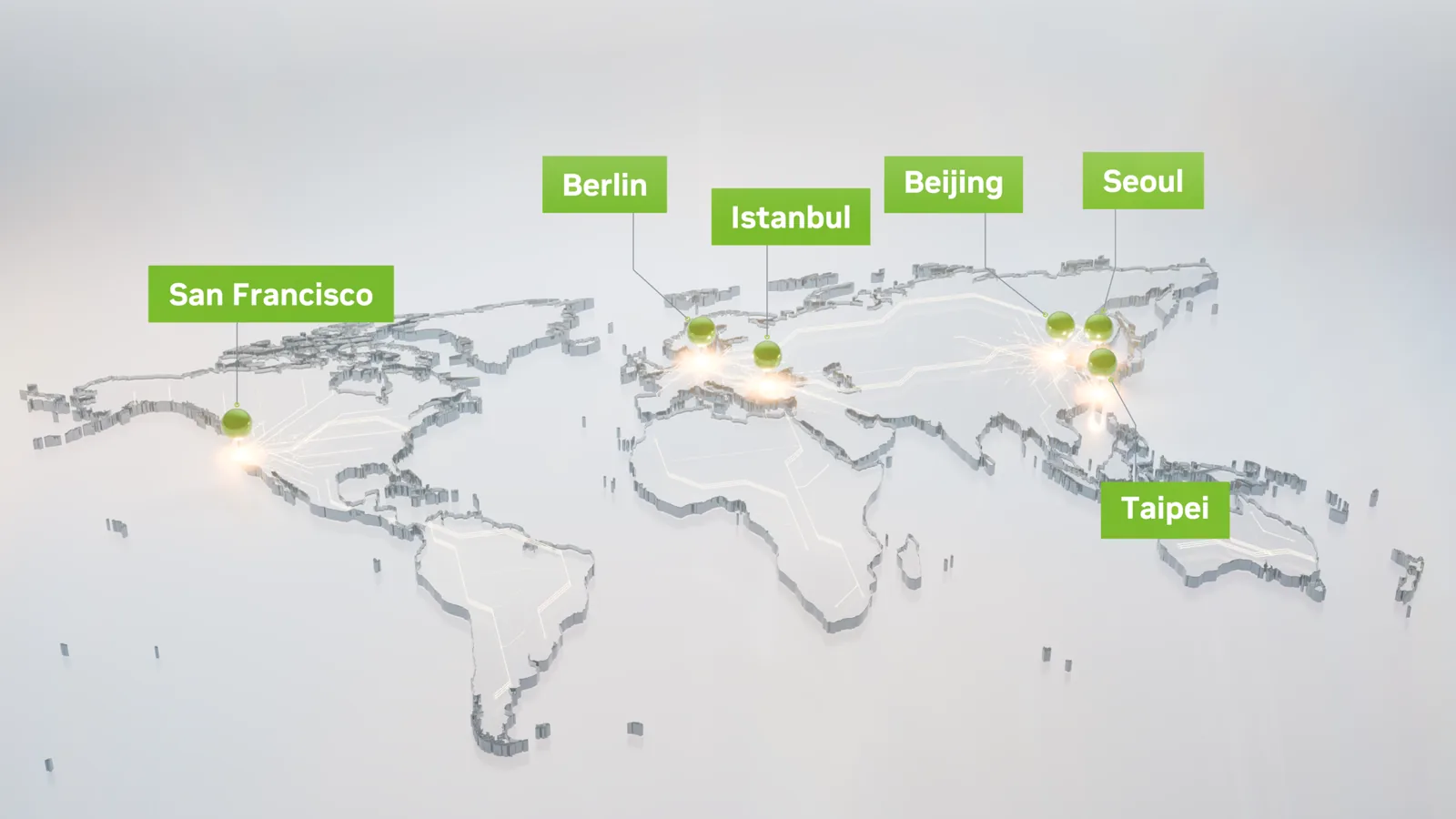
Events take place on Friday, Oct. 16, with local times and separate entry instructions for each location, and space is limited. Visitors are promised demos for creating, developing and gaming, plus meetings with enthusiasts and a look at what local AI can do on the device. Partners host the celebrations jointly with NVIDIA, which points to a channel-led rollout rather than a single-company presentation. The format suggests the goal is direct comparison with familiar laptops, not slides about specifications.
Early coverage cited by NVIDIA focuses on three workloads: local AI, creative applications and gaming. Tom's Hardware described the platform as capable, compatible and polished even in its first appearance. TrustedReviews in the UK said performance in gaming and local AI stunned its tester. MicroCenter reported that performance looks good across AI, gaming and creative workflows. For business readers, the signal is compatibility and polish at launch, since enterprise adoption of new hardware usually stalls on drivers and software support.
Two other assessments add context on positioning. Tom's Guide called RTX Spark a different species of computer, built to carry a self-rewriting, fully autonomous, CUDA-accelerated system in a backpack rather than chase benchmark records. Creative Bloq pointed to the number of applications NVIDIA worked to optimize for Spark technology. Independent testing from Artificial Analysis is cited as an early look at local AI performance in laptop form. Taken together, the emphasis is on software readiness and on-device agency, not raw speed alone.
What RTX Spark means for local AI work
For companies experimenting with AI agents, a portable CUDA-accelerated machine changes where pilot projects can run. Teams handling sensitive drafts, code, images or client data can test workflows without sending every prompt to an external service. Small studios and consulting teams gain a way to demo agent-assisted creation and development on site, with no dependency on venue networks. Larger firms can equip a few specialists first, while keeping core systems and data policies unchanged.
Buying decisions still require checks that the launch materials do not answer. NVIDIA has not published prices, configurations or detailed specifications in this announcement, and event pages carry their own entry terms. Software compatibility needs verification app by app, especially for proprietary plug-ins and corporate security tools. The contest for an ASUS ProArt P14 RTX Spark laptop signed by founder and CEO Jensen Huang runs under separate campaign rules. This launch does not by itself prove total cost, battery life under AI load or support terms.
The marker to watch is what happens after Oct. 16: availability of specific partner models such as the ASUS ProArt P14, published benchmarks for local agent tasks, and the list of optimized creative and development apps. If partners keep those models in stock and update the software list, local AI laptops move from demonstration to procurement option. If supply or support lags, RTX Spark stays a showcase for enthusiasts. The next partner catalog updates will show which path is forming.
