
Nvidia CEO Jensen Huang told 4,000 attendees at the GTC conference in Berlin that Europe should produce AI rather than only consume it. The central exhibit was the DSX Pod, a modular AI factory shipped in a metal container with Vera Rubin compute racks and connected in 14 days instead of months or years. The 90-minute presentation also covered robotics, AI agents and partnerships with European carmakers. For business, this links faster infrastructure deployment with growing demand for computing.
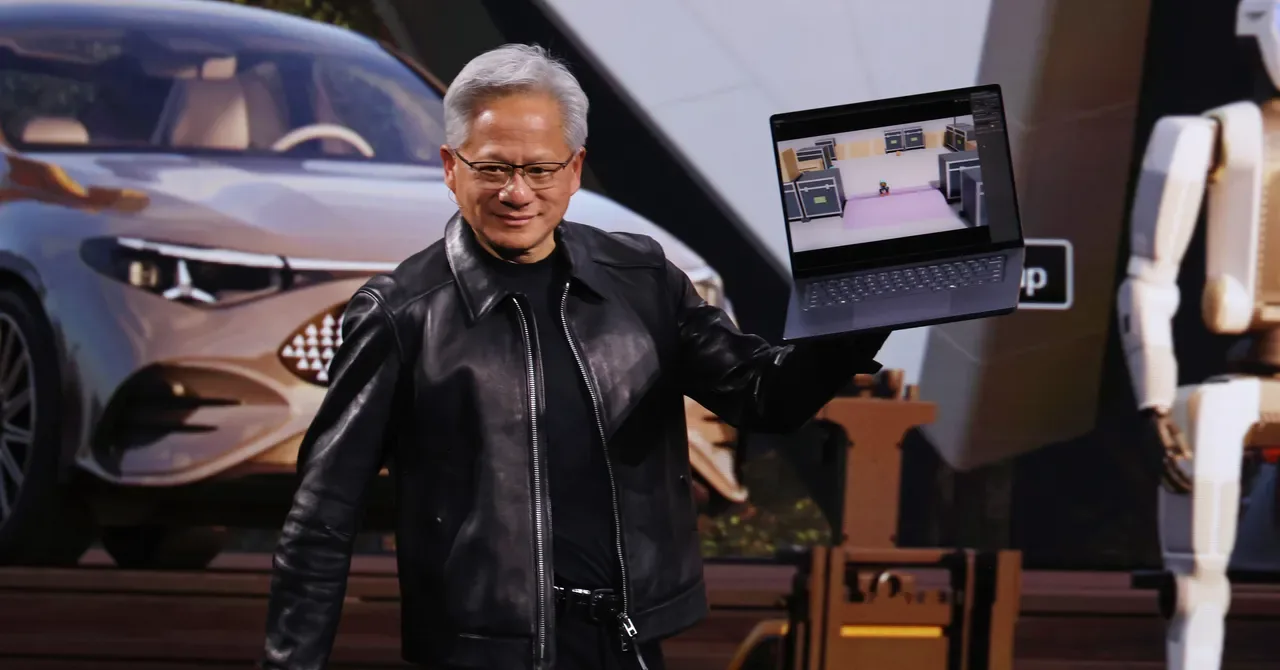
Modular data centers and robots in Berlin
Huang described the DSX Pod as a plug-and-play data center that arrives already assembled and packed with Nvidia latest hardware. The 14-day commissioning period contrasts with conventional construction timelines, which the presentation framed as especially relevant for Europe with its slow infrastructure approvals. Faster connection also reduces the period when installed computing capacity remains idle. Huang called the approach a complete transformation of how data centers are built.
The robotics portion centered on a full-stack platform intended to standardize configuration for humanoid systems. Nvidia plans a preconfigured reference robot called Agile One, scheduled for availability in the first quarter of next year, so developers can start building physical AI applications sooner. Small Microduck robots from Hugging Face, recently acquired by Nvidia, appeared on stage during the demonstration. Separately, partnerships with VW and Mercedes on autonomous vehicles were announced, alongside use of Nvidia GPUs in telecom cell towers.
The Berlin agenda differed markedly from the previous GTC in San Jose in March, which focused on AI inference and more efficient compute. Seven months later, the themes were power supply, agents and physical AI, including robotics beyond factory floors. Huang argued that Europe manufacturing heritage positions it to lead in humanoid robotics, described as the next great industry. The event took place at Berlin Tempodrom, where two Greenpeace protesters briefly displayed a banner reading "Clean up your dirty business" before being removed.
What this means for AI adoption in companies
For companies deploying AI, the DSX Pod format could shorten the path from investment decision to working capacity, particularly where construction permits delay projects. Faster availability matters for agent workloads, since Huang linked agent reasoning, iteration and tool use to higher token consumption and demand for computing. Large organizations could add modular capacity near existing operations, while smaller firms could rent capacity from operators using the same standardized blocks. The result is less waiting time between pilot projects and production scale.
Several conditions still require verification before procurement decisions. The source gives no price, power requirements, delivery volumes or service terms for the DSX Pod, and no technical specifications for Agile One beyond its role as a reference design. Claims about frontier performance of Nvidia open-source models after customization on proprietary data also need testing on company datasets. Buyers should ask about energy contracts, maintenance responsibility, software compatibility and how closed and open models will be combined in practice.
The confirmation marker will be first commercial evidence rather than stage demonstrations. Watch for DSX Pod installation announcements with locations and connection dates, plus availability of Agile One in the first quarter of next year. If European operators and carmakers move from partnership statements to deployed systems, modular infrastructure and standardized robotics will have shifted from concept to procurement option.
