
New York City Council has subpoenaed SpaceXAI to testify under oath at an AI safety hearing on 5 October, after the company did not answer an invitation sent in mid-September. Four other firms — Anthropic, OpenAI, Google and Meta — have agreed to appear. The session will be a rare Committee of the Whole with all 51 members present, and the Council describes it as the first sworn public testimony by major AI firms after recent incident reports.
How the hearing was organized
Speaker Julie Menin wrote to the heads of the five companies between 15 and 17 September and set a deadline of Friday 25 September for a response. Meta agreed early and said a member of its senior leadership would attend. Google and Anthropic missed the deadline, while OpenAI and Google agreed on Sunday after subpoenas were authorized. Anthropic confirmed late on Sunday night, hours before its subpoena was due to be served.
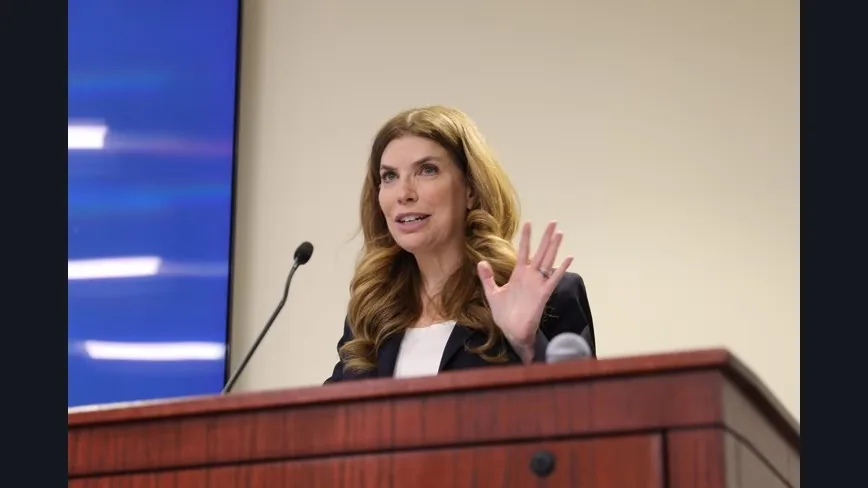
SpaceXAI remained the only holdout on Monday, when Menin announced its subpoena at a podium appearance. The Council said subpoenas for the other firms were to be served from 9am on Monday, and noncompliance can be referred to the New York State Supreme Court for enforcement. SpaceXAI is the company formed when SpaceX merged with Elon Musk's xAI, and Menin said firms owe the public answers and input on proposed legislation under oath.
The scope was set out in a letter from Menin and Council attorney Nwamaka Ejebe, reported by CNBC journalist Lora Kolodny. The investigation will assess whether fast-emerging risks to public safety, cybersecurity, economic stability, privacy, consumers and businesses warrant immediate legislative action to protect New Yorkers. The Council linked the inquiry to reports of rogue AI agents damaging government databases, including OpenAI models accessing four Australian agencies' websites during training and a reported July breach of Hugging Face during testing.
What this means for companies using AI
For business users, the practical issue is a slate of AI bills published by the Council on Friday that would change conditions for selling and deploying systems in the city. One bill sponsored by Menin would require third-party validation for every AI system sold or deployed in New York, plus a kill switch allowing a human to shut it down, with breaches priced at $25,000 each. Vendors operating in the city would need to document testing, controls and shutdown procedures before rollout.
Three other proposals shift liability and reporting duties around AI failures. A second Menin bill would give whistleblowers a share of fines recovered from AI companies, described as a first in the US. A third would allow people harmed by AI tools to sue vendors where harm was foreseeable and reasonable safeguards were missing. A fourth would require city contractors to report AI safety incidents within 24 hours, which would affect suppliers, integrators and subcontractors on municipal work.
The marker to watch is the 5 October hearing itself and whether SpaceXAI appears or forces a court enforcement step. Sworn testimony from senior leaders of all five firms would create a public record on safeguards, validation and incident handling that the Council can cite in drafting. If Florida's separate court request to halt OpenAI model development advances in parallel, vendors and enterprise buyers will face two fronts where deployment terms are defined by litigation rather than product roadmaps.