
Elon Musk released the first seven minutes of an AI-generated adaptation of Homer's The Odyssey, produced with Grok Imagine as a rival to Christopher Nolan's film. The episode, published on October 23, 2026, was created in collaboration with Wonder Studios and director Dev Walker. The release follows months of criticism of Nolan's casting choices by Musk. For business users of generative video, the case matters as a test of long-form AI storytelling.
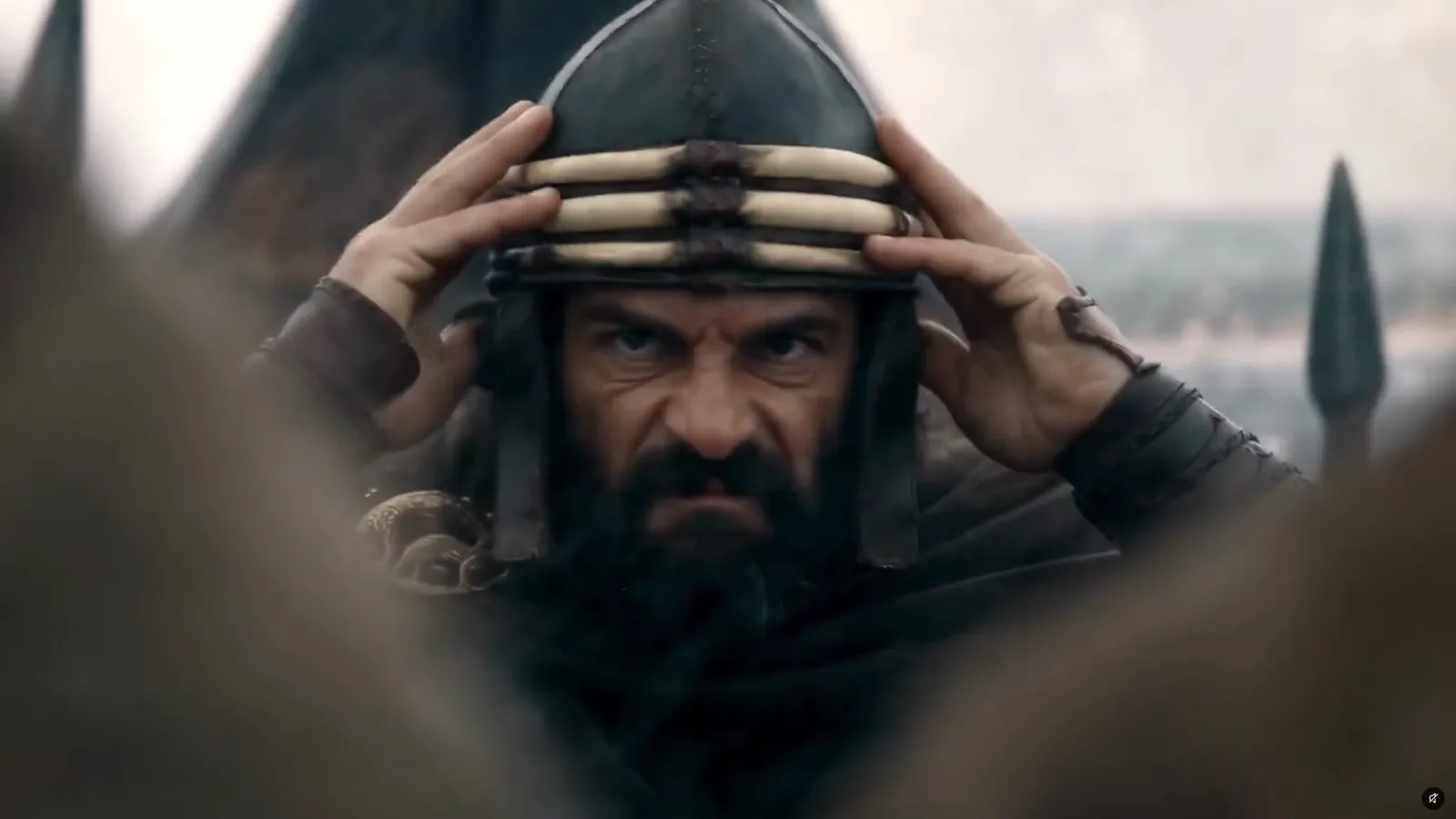
Seven-minute episode from Grok Imagine
Musk had promised a more faithful version of the ancient Greek epic after objecting to Nolan's adaptation, including its casting of Lupita Nyong'o and Elliot Page. He argued that Nolan had sacrificed historical accuracy to Hollywood sensibilities. The new project was positioned as a full-length AI-generated alternative. The opening installment is presented as Episode 1 of an Odyssey series, with viewers invited to request a breakdown of the production process.
The episode was built with Grok Imagine in creative collaboration with @WonderStudiosX and director Dev Walker, credited as @glumlot_. The production combines generated imagery, voice performance and editing into a continuous narrative sequence. Landscapes and shots of ships on water form the strongest visual passages, resembling atmospheric game cutscenes from an earlier era. Character scenes carry the plot forward through departure and dialogue, including Odysseus leaving his wife Penelope.
The result highlights a gap between visual imitation and narrative construction. Nolan's films are built around deliberate decisions on performance, pacing and editing that direct attention and assign weight to individual moments. The Grok version reproduces costumes, scenery and plot points but gives the departure from Penelope little emotional continuity. According to the source review, the central figures register as flat, with delivery that does not shift between conflict and affection.
What this means for business use of AI video
For companies, the episode clarifies where current generative video already works and where it does not. Atmospheric environments, establishing shots and short illustrative clips can be produced at a fraction of a Hollywood budget. That lowers the barrier for previsualization, concept presentations, internal training scenes and marketing drafts. Small teams gain access to visuals that previously required location work, while larger studios can test ideas before committing production resources.
The limits concern story-driven material and public-facing releases. Seven dull minutes at low cost do not equal audience engagement, and technical polish alone does not supply creative intent or lived experience. Firms should verify voice quality, performance consistency, visual continuity and rights status before wider use. The news by itself does not show that AI can carry a feature-length narrative, replace direction and acting, or meet broadcast quality standards.
The marker to watch is whether Wonder Studios publishes the promised production breakdown and extends the series beyond the opening episode. Details on workflow, human input, revision cycles and cost per finished minute would show if the method scales. If later installments improve continuity and audience response, business applications will expand. If output stays at trailer-style fragments, AI video will remain a support tool for human directors.
