
Meta has released Muse Gadgets, an open-source project that lets hobbyists build their own hardware for its AI agent Muse. The package includes firmware, a Linux software kit and a reference USB-C device, with 5,000 units already produced for subscribers. The move matters for business because it shifts experimentation with AI devices from closed labs to a community that can test form factors faster.
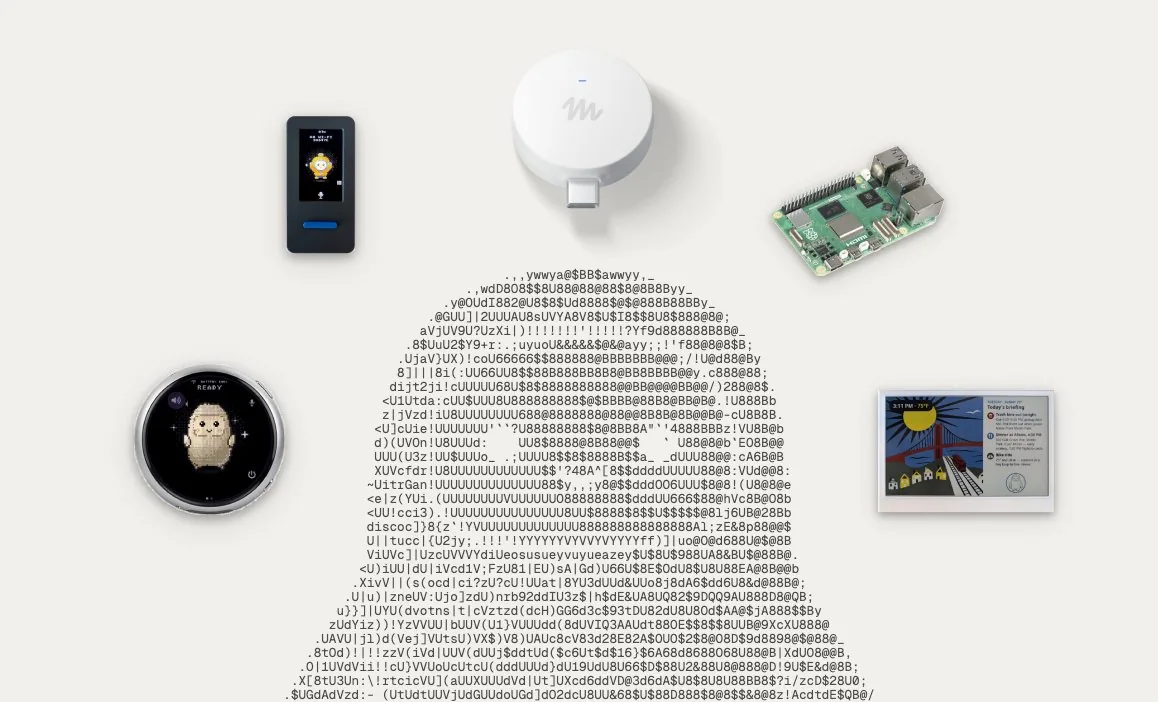
What Muse Gadgets includes and how Home Link works
The project centers on code that connects homemade devices to Muse. Meta published firmware for ESP32 boards, widely used controller boards for DIY electronics, alongside a Linux SDK for larger homemade systems. The code carries an Apache 2.0 license, which permits commercial reuse and modification, and discussion runs through a Discord community. That setup lowers the entry barrier for engineers who already prototype sensors, buttons and voice interfaces.
The reference hardware is called Muse Home Link. It is a small gadget with a USB-C connector that links Muse to a home network. Once connected, Muse can control TVs, speakers and anything else with an HTTPS interface, the standard web-control protocol used by many connected devices. Meta says 5,000 units have been produced and should ship within weeks. They will go free to Muse subscribers while supplies last, which frames the device as a trial rather than a retail launch.
The open approach also functions as market research. Meta can observe which designs the community builds, which controls prove useful and which devices people connect first. Nobody has settled what AI hardware should look like, so real building activity provides signals that surveys do not. Apple and OpenAI are both working on their own devices, while Meta positions its Ray-Ban smart glasses as arguably the most successful AI gadget on the market so far. In that race, an open DIY track costs little and generates ideas.
What open AI hardware means for business users
For companies that already use AI assistants, the practical effect is cheaper prototyping of physical touchpoints. A small firm can assign one engineer with ESP32 experience to build a meeting-room button, a reception helper or a warehouse status light tied to Muse. A larger organization can run parallel pilots across offices without ordering custom hardware batches. The difference from buying closed gadgets is control over the interface and faster adjustment after staff feedback.
The limits are clear and should shape purchasing decisions. The source describes no certification, no service guarantees and no list of compatible TV or speaker brands beyond HTTPS support. Supply of Home Link is capped at 5,000 units and tied to a Muse subscription, so availability is uncertain after the first batch. Companies should verify network security policies for USB-C network bridges, clarify data handling when Muse controls office equipment, and ask vendors about support terms before moving a prototype into daily operations.
The marker to watch is what the Discord community ships in the next few months and whether Meta turns any design into a second production run. A repeat order beyond the initial 5,000 units, or adoption of a community form factor into an official product, would show that demand has moved past experiment. Absence of such a follow-up would suggest the project remains a developer exercise.
