
MasterClass is testing whether AI teaching agents can replace scarce one-to-one tutoring with personalized instruction at scale. Its new AI-native business program, MasterClass Executive, runs about 10 agents behind every learner interaction and drew 30,000 applications for about 500 spots in the first cohort. The bet matters for business training because cost, teacher supply and uneven quality have long limited access to personal coaching.
How MasterClass Executive teaches
The program plans each lesson around how a learner engages rather than delivering a fixed curriculum. The system watches for signals such as cognitive overload and fading motivation, then changes its approach during the session. Development advice came from Lukas Biewald, senior vice president of AI initiatives at CoreWeave. The second cohort is now nearing 50,000 applications, which points to demand far above available places.
The architecture is a multi-agent system in which inputs, outputs, tool calls and communication between agents are tracked. MasterClass selected W&B Weave to trace, monitor and improve those teaching agents, an arrangement CoreWeave recently announced. On top of the Weave Model Context Protocol interface, MasterClass built its own agent that reviews traces each night. That nightly review flags issues and likely root causes found in production interactions.
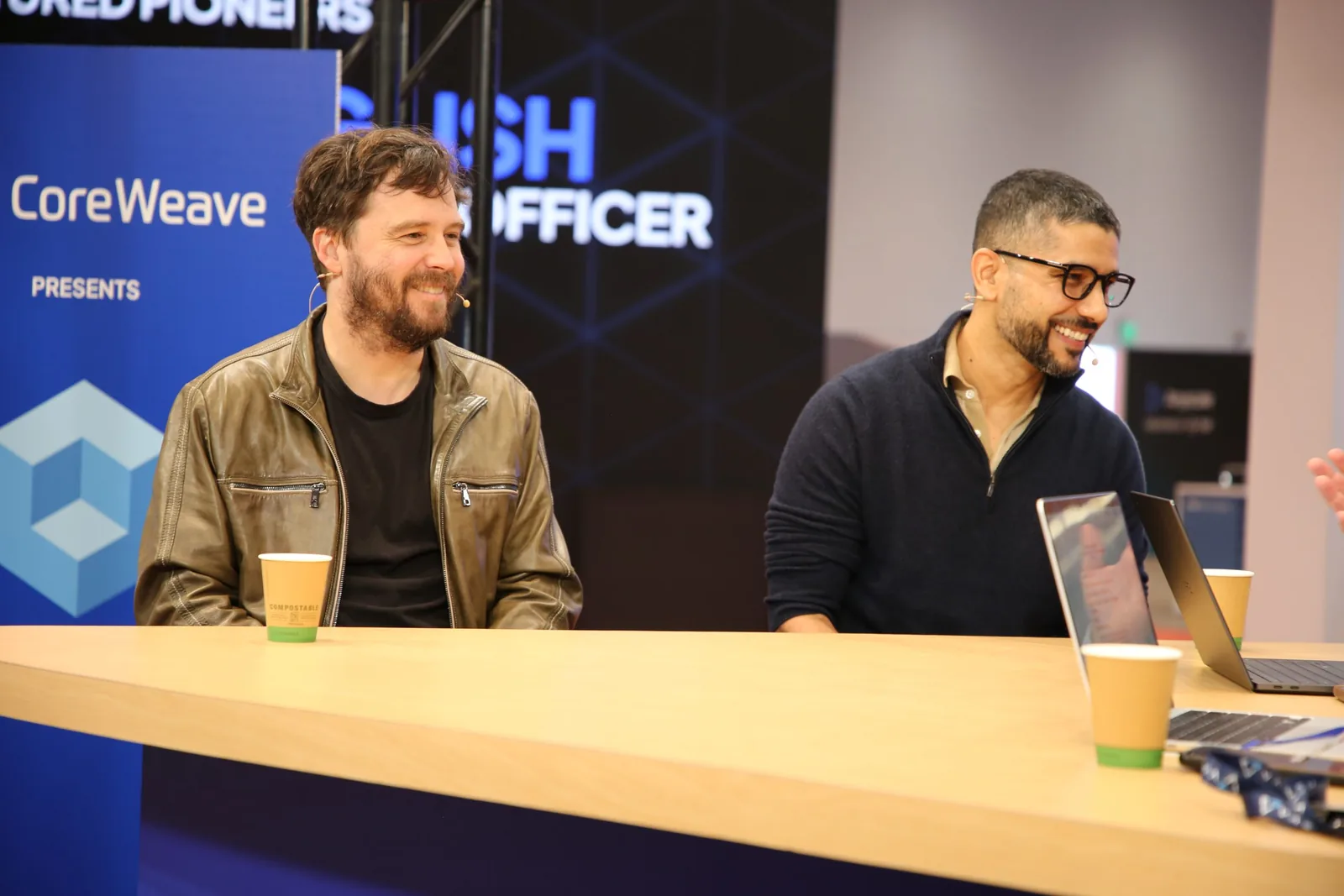
The emphasis comes from a view that personalization needs a pedagogical framework, not only a chatbot attached to a student. Mandar Bapaye, chief product officer of Yanka Industries Inc. doing business as MasterClass, described a scientifically and pedagogically backed backbone as a prime requirement. Biewald stressed rigorous evaluation loops of trying a new model, trying a new rubric and measuring results. The comments were made to theCUBE Research hosts Dave Vellante and John Furrier at the Fully Connected event.
What this means for corporate training
For companies that buy management and skills training, the model promises personal coaching without hiring large tutor teams. Bapaye framed the problem as cost, supply and quality: personal teachers are expensive, in short supply and variable in quality. If agent-led lessons hold quality, a small firm could offer executive-style support that was previously limited to large budgets. Large employers could extend consistent instruction across teams without multiplying staff.
The limitation is production behavior, which Bapaye called an observability challenge once thousands of people interact with the system. Good results during evaluation do not guarantee stable quality in live use, so tracing and nightly analysis become part of operating cost. Buyers should ask how lessons are evaluated, which rubrics define good teaching and how failures are traced to specific agents. This news alone does not prove learning outcomes, only strong applicant interest and an operating method.
The marker to watch is whether the second cohort nearing 50,000 applications converts into stable delivery at larger volume. Continued reporting on trace reviews, model changes and learner results would show whether the evaluation loop improves teaching over time. If MasterClass sustains quality while expanding beyond the initial 500 places, agent-led tutoring will look like a workable option for corporate programs.