
LogicMonitor used its Elevate event in Chicago to position AI-driven observability as a path to autonomous IT, linking operational data, automation and governance for hybrid environments. The most concrete result came from GlobalFoundries, where Edwin AI cut alert noise by 98%. Managed service providers also reported faster incident resolution and higher engineering efficiency. The message matters for business because monitoring shifts from dashboards to systems that investigate and act under controls.
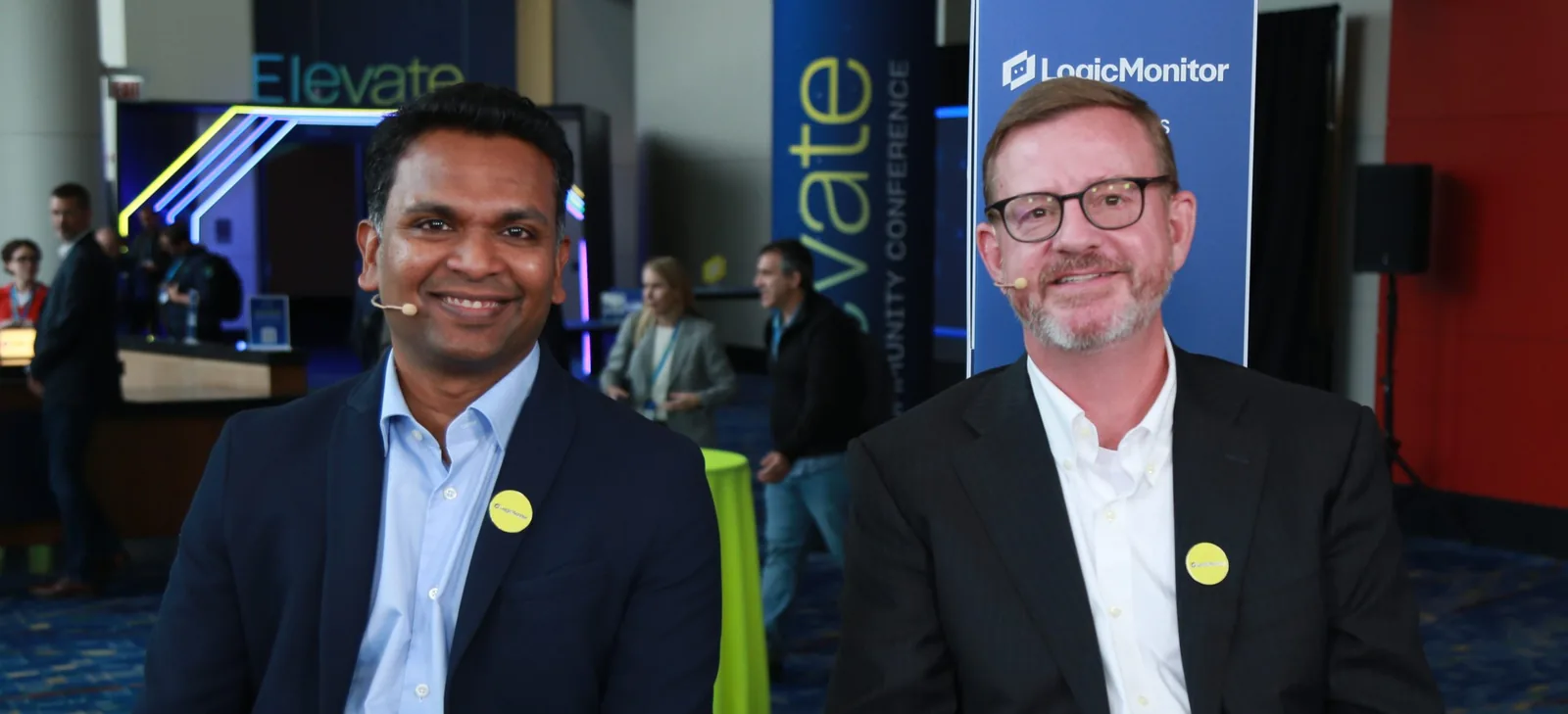
Edwin AI results and five pillars at Elevate
Coverage by theCUBE Research framed eight takeaways around Edwin AI, OpenTelemetry, application dependency mapping and governed automation. Analyst Paul Nashawaty described observability as a foundation for human decisions and autonomous workflows, connecting performance, availability, resource use and costs so teams see trade-offs behind problems. CEO analyst Steven Dickens assessed five strategic pillars, including unified context, AI-governed action and trust. OpenTelemetry, Edwin AI and Catchpoint were presented as connectors across hybrid estates, feeding insights into existing workflows. Adoption, governance and execution were named as tests for turning the roadmap into operational value.
Edwin AI enhancements center on multi-agent investigations, workflow integrations and governed automation, described by chief artificial intelligence officer Karthik Sj and chief product officer Garth Fort. The approach starts with low-risk automation and expands as trust grows, keeping oversight of autonomous agents. Catchpoint integration adds visibility into application performance and digital experience. Governance controls limit what agents can do without approval. The design keeps incident work inside tools teams already use, rather than in a separate console.
Context for the push comes from tool sprawl and alert overload across hybrid infrastructure. One customer cited by AHEAD cut its footprint from 72 tools to seven platforms, simplifying support and creating room for automation. GlobalFoundries reached 98% deployment of its observability modernization in six months, consolidated tools and linked AI insights with ServiceNow for incident management. Dependency mapping helped it understand legacy applications in semiconductor manufacturing, where downtime is costly. Executive sponsorship and phased automation supported the move toward preventive action before failures affect production.
What autonomous IT means for operations teams
For companies that run internal IT or buy managed services, the near-term change is fewer noisy alerts and faster triage. Bell Techlogix uses AI assistants to streamline triage, automate documentation and reduce resolution times. At ANS Group, Edwin AI improved engineering efficiency and customer retention. Specialist Computer Centres cited an AI agent that found a technical issue in about three minutes after engineers spent 40 to 50 hours on it. Small firms gain access to correlation and documentation help without large platform teams, while large firms can standardize operations across estates.
Limits center on trust, oversight and proof in production. LogicMonitor itself points to governance, compliance and demonstrated results as conditions for wider automation. Internal change is also demanding: the company reported 95% employee adoption of ChatGPT within four months, more than 2,000 custom GPTs in the first year, and an AI sales assistant saving half a day each week, alongside workflow redesign and new training. Buyers should verify what data the models see, how OpenTelemetry is deployed, which actions run autonomously and how Catchpoint and ServiceNow integrations behave. This news alone does not mean systems run without staff.
Confirmation will come from production metrics at customers such as GlobalFoundries, Bell Techlogix and ANS over the next two quarters. Watch alert volumes, mean time to resolution, SLA attainment and retention, plus the share of incidents remediated through governed automation. If those figures hold outside pilots, autonomous IT moves from roadmap to procurement criterion for observability platforms.
